
6 Things You Need To Know About Boxing Classes
6 Essential Things to Know Before Your First Boxing Class
Boxing classes offer a potent blend of cardiovascular conditioning, strength building, stress relief, and self-defense skills. They cater to a wide range of fitness levels and goals, from those seeking an intense workout to individuals interested in the discipline and technique of the sport. However, before stepping into the ring or even the studio, understanding what to expect, how to prepare, and what to prioritize will significantly enhance your experience and ensure you maximize the benefits of these dynamic sessions. This comprehensive guide outlines six crucial aspects you need to grasp for a successful and rewarding introduction to boxing classes.
1. The Workout Intensity and What to Expect Physically
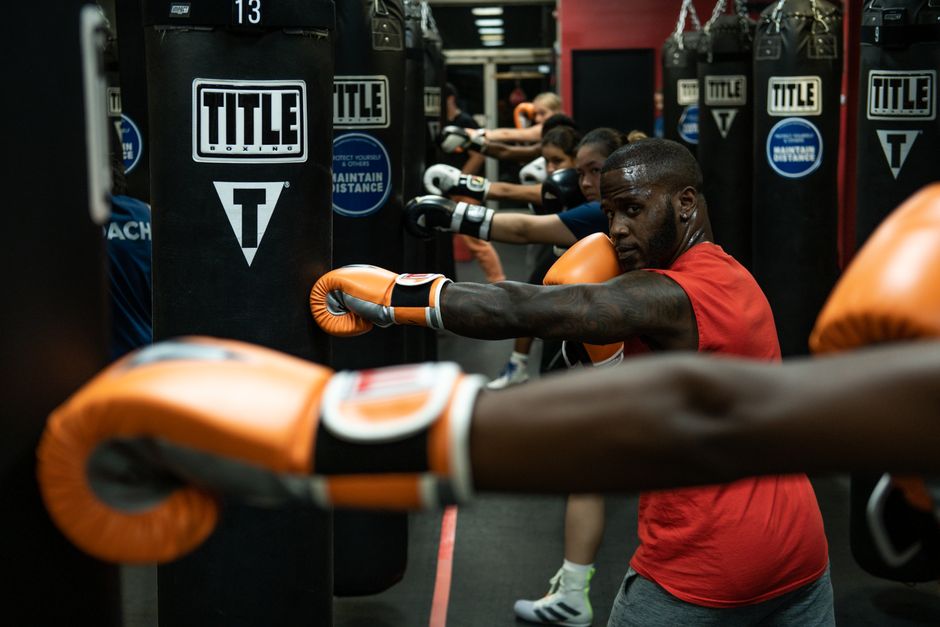
Boxing classes are notoriously demanding, primarily due to their focus on high-intensity interval training (HIIT) principles. You’ll experience bursts of intense activity followed by short recovery periods, mimicking the rhythm of a boxing match. Expect to engage nearly every major muscle group. Your cardiovascular system will be put to the test with exercises like jumping jacks, burpees, and sustained rounds of shadow boxing. Strength development is a significant component, involving exercises like squats, lunges, push-ups, and core work, often incorporated into circuits or as warm-up drills. Grip strength is crucial for holding pads and gloves, and you’ll find exercises targeting this area. Endurance is built through repetitive movements and prolonged exertion. Don’t be surprised if you feel muscle soreness, particularly in your shoulders, arms, core, and legs, in the days following your first few classes. This is a normal physiological response as your body adapts to new stresses. The workout typically begins with a dynamic warm-up to prepare your muscles and joints for impact and exertion. This might include jogging, skipping, arm circles, and dynamic stretches. Following this, you’ll usually move into shadow boxing, where you practice punches and footwork without an opponent or bag. Then comes the core of the class, which often involves working on the heavy bags, either individually or in pairs, practicing combinations and power shots. Many classes also incorporate pad work, where an instructor or partner holds pads for you to strike, focusing on accuracy, speed, and technique. Finally, a cool-down period with static stretching is essential for aiding muscle recovery and improving flexibility. The overall intensity can be modified by the instructor based on the class’s general fitness level, but even beginner classes will push you beyond a typical gym workout. Hydration is paramount; bring a large water bottle and be prepared to drink frequently throughout the session. Expect to sweat – a lot. Wearing breathable athletic wear is a must. The mental aspect is also significant; boxing demands focus and a willingness to push your perceived limits.
2. Essential Gear and What to Bring
Proper gear is not just about comfort; it’s crucial for safety, performance, and adherence to gym policies. While many gyms provide loaner gloves for your very first session, it’s highly recommended to invest in your own as soon as possible. This ensures proper fit, hygiene, and allows you to get accustomed to your equipment. Boxing gloves are the most critical piece of equipment. For general fitness boxing classes, 12-16 ounce gloves are standard. These offer good padding for both your hands and your training partner (if applicable). Beginners should prioritize gloves with ample padding to protect their knuckles and wrists. Hand wraps are non-negotiable and are worn underneath your boxing gloves. They provide crucial support to your knuckles, wrists, and metacarpals, preventing sprains, fractures, and contusions. Without hand wraps, you risk serious injury. They typically consist of 180 inches of cloth that you wrap around your hands in a specific pattern. Most gyms will demonstrate how to wrap them, or you can find numerous online tutorials. Beyond gloves and wraps, comfortable athletic clothing is essential. Opt for moisture-wicking fabrics that allow for a full range of motion. Think tank tops, t-shirts, and athletic shorts or leggings. You’ll want something that can handle sweat and doesn’t restrict your movements. Water, as mentioned, is vital. Bring a large, reusable water bottle and ensure it’s readily accessible. A towel is also a good idea, both for wiping sweat and for hygiene. Many people also bring a small gym bag to carry their gear. If your gym has a shower facility, you might consider bringing a change of clothes and toiletries for after the class. Some individuals also opt for mouthguards, especially if there’s any sparring involved or if they are prone to clenching their jaw during intense exertion, though this is less common in pure fitness boxing classes. Finally, a positive attitude and willingness to learn are the most important things to bring. Don’t be intimidated by experienced boxers; everyone starts somewhere.
3. Understanding the Different Types of Boxing Classes
Boxing classes are not monolithic; they vary significantly in their focus, structure, and target audience. Understanding these distinctions will help you choose the class that best aligns with your fitness goals and preferences. Fitness boxing or cardio boxing classes are the most common entry point for general fitness enthusiasts. These classes emphasize the cardiovascular and calorie-burning aspects of boxing. They typically involve a lot of shadow boxing, bag work, and bodyweight exercises, with less emphasis on intricate fight techniques. The primary goal is to get a great workout, burn calories, and improve overall fitness. Technical boxing or skill-based boxing classes delve deeper into the art and science of boxing. These classes focus on proper stance, footwork, defensive maneuvers, and the correct execution of punches. You’ll spend more time practicing specific techniques, drilling combinations, and understanding defensive strategies. These classes are ideal for individuals who want to learn the sport of boxing, not just use its movements for fitness. They often involve more pad work and partner drills. Competitive boxing or sparring classes are for those who aspire to compete or are looking for the most advanced training. These classes involve live sparring, where participants engage in controlled combat with protective gear. This is the most intense form of boxing training and requires a solid foundation of technique and conditioning. It’s not suitable for beginners and typically requires instructor approval. Hybrid classes are also emerging, blending boxing with other disciplines like HIIT, yoga, or Pilates, offering a more rounded fitness experience. When signing up, pay attention to the class description. Look for keywords like "beginner," "introductory," "fitness," "cardio," "technical," "skill development," or "sparring" to gauge the class’s focus. Don’t hesitate to ask the gym staff or the instructor about the class structure and intensity before booking your first session.
4. The Importance of Proper Technique and Safety
While boxing is an aggressive sport, the emphasis in well-run classes is overwhelmingly on technique and safety to prevent injuries and maximize effectiveness. Ignoring proper form is a surefire way to get hurt and hinder your progress. Punching technique is paramount. This involves not just throwing a punch, but generating power from your hips and core, rotating your torso, and snapping your wrist correctly. Incorrect form can lead to wrist injuries, shoulder impingement, and a lack of power. Your instructor will likely spend considerable time on the basics: the jab, the cross, the hook, and the uppercut, emphasizing the kinetic chain of movement. Stance and footwork are equally crucial. A balanced, stable stance allows you to deliver power and defend effectively. Proper footwork enables you to move in and out of range, create angles, and evade punches. Think of it as the foundation upon which all your offensive and defensive actions are built. Defensive maneuvers like blocking, slipping, and rolling are taught to protect yourself. Learning to keep your guard up, tuck your chin, and move your head are vital skills that prevent you from getting hit. Breathing techniques are also a core component. Exhaling sharply with each punch helps to engage your core, generate power, and prevent you from holding your breath, which can lead to fatigue and dizziness. Listen to your instructor. They are trained to identify and correct improper technique. Don’t be afraid to ask questions if something feels awkward or you don’t understand an instruction. Pacing yourself is also a safety consideration, especially in your initial classes. Don’t try to throw every punch as hard as you can from the outset. Focus on form, then gradually increase power as your technique improves. Overexertion without proper form is a recipe for injury. Respect your body’s limits and don’t push through sharp pain. Muscle fatigue is normal, but sharp, shooting, or joint pain is a signal to stop and reassess.
5. The Role of an Instructor and Gym Etiquette
The quality of your instructor and your adherence to gym etiquette significantly shape your boxing class experience. A good instructor is more than just someone who demonstrates punches; they are a guide, a motivator, and a safety supervisor. They should be able to break down complex techniques into simple, digestible steps, provide constructive feedback tailored to your individual needs, and create a positive and encouraging learning environment. They will monitor your form, offer corrections, and ensure you are using equipment safely. Don’t hesitate to communicate with your instructor. Let them know if you’re new, if you have any pre-existing injuries, or if something feels particularly challenging. They are there to help you succeed. Gym etiquette is about creating a respectful and functional space for everyone. This includes arriving on time for class, as late arrivals can disrupt the warm-up and focus of others. Respecting your training partners is paramount, especially during partner drills or pad work. Maintain control, be aware of your surroundings, and avoid overly aggressive or careless movements. Cleanliness and tidiness are also important. Put away equipment after use, wipe down any shared surfaces, and be mindful of hygiene. Follow gym rules regarding phone usage, noise levels, and any specific protocols they may have. Building camaraderie with fellow boxers can also be a rewarding aspect of the experience. Offering encouragement, celebrating each other’s progress, and maintaining a positive attitude contribute to a supportive community. Remember that everyone in the class, regardless of their skill level, is there to learn and improve.
6. Long-Term Benefits and Progression
The benefits of consistent boxing training extend far beyond the immediate physical exertion. Understanding these long-term advantages can provide motivation to stick with it and see significant transformations. Enhanced Cardiovascular Health is a primary benefit. Regular boxing workouts improve heart and lung function, lower blood pressure, and reduce the risk of cardiovascular diseases. Your stamina and endurance will increase dramatically, impacting your daily activities. Improved Strength and Conditioning is another significant outcome. Boxing engages a full-body workout, building lean muscle mass, increasing muscular endurance, and improving overall functional strength. You’ll notice improvements in your ability to perform everyday tasks with greater ease and less fatigue. Stress Relief and Mental Well-being are substantial. The intense physical activity coupled with the focus required for boxing provides an excellent outlet for stress, anger, and frustration. Punching a bag can be incredibly cathartic, releasing endorphins that boost mood and reduce anxiety. The discipline and focus required to learn techniques also contribute to improved mental clarity and concentration. Increased Self-Confidence and Empowerment often stems from the development of new skills and the physical and mental fortitude gained. As you become more proficient and physically capable, your self-esteem and sense of self-efficacy will likely grow. The knowledge that you can defend yourself, even at a basic level, can be incredibly empowering. Weight Management and Fat Loss are significant outcomes for many. The high-intensity nature of boxing classes burns a substantial number of calories, making it an effective tool for weight loss and fat reduction when combined with a healthy diet. Progression in boxing typically involves mastering foundational techniques and gradually increasing the complexity and intensity of your workouts. This might mean learning more advanced combinations, improving your speed and power, or even engaging in controlled sparring if your goals align. The journey is progressive, with continuous opportunities for learning and improvement, making it a rewarding and sustainable fitness pursuit.
