
7 Mistakes To Avoid When Cooking Chicken
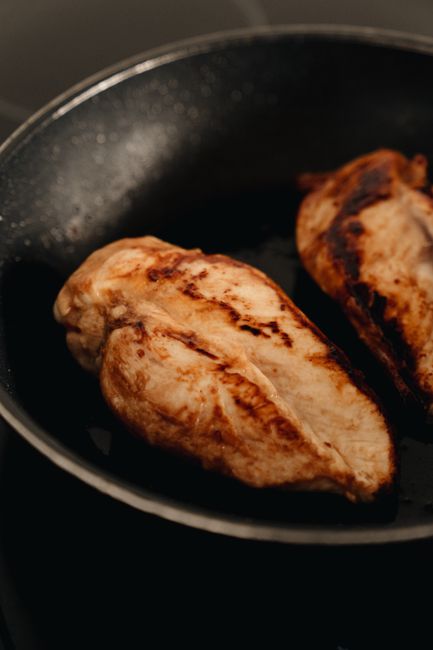
7 Crucial Mistakes to Sidestep for Perfectly Cooked Chicken
Overcooking is the most prevalent and destructive error when preparing chicken, leading to dry, tough, and unappetizing results. This occurs because chicken breast, in particular, has a narrow window of optimal doneness. Beyond a certain internal temperature, muscle fibers rapidly seize up and expel moisture, rendering the meat fibrous and flavorless. Similarly, cooking chicken thighs or legs for too long can lead to a mealy texture rather than the tender, succulent experience they are capable of providing. The key to avoiding overcooking lies in accurate temperature monitoring and understanding cooking times. Investing in a reliable instant-read meat thermometer is non-negotiable. For chicken breast, aim for an internal temperature of 165°F (74°C) in the thickest part, removing it from the heat source immediately as it will continue to cook slightly from residual heat. For darker meat like thighs and legs, a slightly higher temperature of 170-175°F (77-79°C) is acceptable and even desirable for optimal tenderness. However, even with a thermometer, blindly following pre-set cooking times without accounting for variations in chicken size, thickness, and oven performance is a recipe for disaster. Factors such as the starting temperature of the chicken (refrigerated versus room temperature) and the actual temperature of your oven (which often differs from the dial setting) significantly influence cooking duration. Therefore, always use temperature as your primary guide. Furthermore, consider the cooking method. Roasting a whole chicken will require a different approach than pan-searing individual breasts or grilling thighs. Understanding the nuances of each method and how they affect heat penetration is crucial. For instance, high-heat searing can quickly create a delicious crust but requires careful attention to prevent the interior from drying out. Braising or stewing, on the other hand, utilizes lower temperatures and longer cooking times to break down connective tissues, ensuring moisture and tenderness, but overdoing even these methods can still result in mushy, unappealing textures. Ultimately, learning to recognize visual cues – such as the juices running clear (though this is a less reliable indicator than temperature) and the flesh no longer appearing pink – can supplement temperature monitoring, but the thermometer remains the most accurate and indispensable tool for preventing the cardinal sin of overcooked chicken.
Undercooking chicken is equally, if not more, dangerous than overcooking, posing a significant risk of foodborne illness. Raw or undercooked chicken can harbor harmful bacteria like Salmonella and Campylobacter, which can cause severe gastrointestinal distress, including nausea, vomiting, diarrhea, abdominal cramps, and fever. In vulnerable populations, such as young children, the elderly, pregnant women, and individuals with compromised immune systems, these infections can be life-threatening. The visual cue of "juices running clear" is often cited as a sign of doneness, but this is an unreliable and potentially dangerous metric. The internal temperature of the chicken is the only definitive indicator of safety. As previously mentioned, chicken breast should reach an internal temperature of 165°F (74°C), and dark meat should reach 170-175°F (77-79°C). These temperatures are sufficient to kill harmful bacteria. It’s imperative to insert the thermometer into the thickest part of the meat, avoiding bone, as bone can conduct heat differently and lead to inaccurate readings. If cooking a whole chicken, the temperature should be checked in the thickest part of the thigh, avoiding the bone. For ground chicken products, which have a higher surface area exposed to potential contamination, it is generally recommended to cook them until they reach 165°F (74°C) and are no longer pink in the center. The risk of cross-contamination also plays a critical role in preventing undercooking-related illnesses. Raw chicken juices can easily spread bacteria to countertops, utensils, and other food items. Thorough handwashing with soap and hot water after handling raw chicken, sanitizing all surfaces and utensils that come into contact with it, and keeping raw chicken separate from ready-to-eat foods during preparation and storage are essential preventative measures. Never rely solely on appearance or texture to determine if chicken is safe to eat; always prioritize internal temperature.
Failing to properly season chicken is a missed opportunity to imbue it with flavor and can result in bland, uninspired dishes. Chicken itself possesses a relatively mild flavor profile, making it a blank canvas that readily absorbs seasonings. Many home cooks fall into the trap of applying salt and pepper just before cooking, or worse, only after the chicken is cooked. This approach limits the depth and diffusion of flavor. Seasoning should ideally be applied generously and in advance, allowing time for the salt to penetrate the muscle fibers, not only adding taste but also contributing to moisture retention. A minimum of 30 minutes for smaller cuts like breasts or thighs, and ideally several hours or even overnight for whole chickens or larger pieces, allows for a more profound flavor transformation. Beyond basic salt and pepper, consider a wide array of complementary spices and herbs. Garlic powder, onion powder, paprika, cumin, chili powder, and dried herbs like thyme, rosemary, and oregano can all elevate chicken dishes. Marinating chicken, either in a liquid marinade or a dry rub, is another highly effective method for enhancing flavor and tenderness. Acidic components in marinades, such as lemon juice, vinegar, or yogurt, help to break down proteins, resulting in a more tender texture. Fat from ingredients like olive oil or soy sauce helps carry flavors into the meat. When marinating, ensure all surfaces of the chicken are coated and refrigerate for the appropriate duration. Over-marinating, particularly with highly acidic ingredients, can, however, lead to a mushy texture, so adhere to recommended marinating times. Remember, seasoning is not just about applying spices; it’s about understanding how different flavors interact and how to layer them to create a harmonious and delicious outcome. Don’t be afraid to experiment with different spice blends and marinades to discover your personal preferences and to cater to the specific cuisine you are preparing.
Not allowing chicken to rest after cooking is a common oversight that directly impacts its juiciness and texture. When chicken is subjected to heat, the muscle fibers contract, pushing moisture towards the center of the meat. If you cut into the chicken immediately after removing it from the heat, this accumulated moisture will simply drain out onto the cutting board, leaving the meat drier and less flavorful. This process is akin to squeezing a sponge; if you press it too hard and too soon, all the water will be expelled. Allowing the chicken to rest for a period of 5 to 15 minutes, depending on the size of the cut, permits the muscle fibers to relax and reabsorb this retained moisture. During this resting period, the internal temperature of the chicken will also continue to rise slightly, ensuring it reaches its safe internal temperature without overcooking. For smaller cuts like chicken breasts or thighs, 5-7 minutes of resting is usually sufficient. For larger cuts, such as a whole roasted chicken or a thick pork loin, a resting period of 10-20 minutes is recommended. Tent the chicken loosely with foil during resting to keep it warm without steaming it and making the skin soggy. This seemingly simple step can make a significant difference in the final outcome of your chicken dish, transforming a potentially dry piece of meat into a succulent and enjoyable experience. It’s a small effort that yields a considerable reward in terms of taste and texture.
Cross-contamination is a critical food safety hazard that can occur at various stages of chicken preparation, from storage to serving. Raw chicken is a known carrier of harmful bacteria, and these microorganisms can easily spread to other foods, utensils, and surfaces if proper hygiene practices are not followed. This can lead to serious foodborne illnesses. The most common culprits are Salmonella and Campylobacter. To prevent cross-contamination: Always store raw chicken on the bottom shelf of your refrigerator, ideally in a sealed container or on a plate, to prevent any potential drips from contaminating other foods below. When preparing raw chicken, use separate cutting boards, knives, and utensils for raw meat and produce or cooked foods. Designate a specific cutting board for raw meats and ensure it is thoroughly washed and sanitized after each use. Wash your hands thoroughly with soap and hot water for at least 20 seconds before and after handling raw chicken, and after touching any surfaces or utensils that have come into contact with it. Never wash raw chicken, as this practice does not remove bacteria and can actually spread them to surrounding surfaces through splashing water. The heat of cooking is what effectively kills bacteria. Ensure that all surfaces that have touched raw chicken – countertops, sinks, and utensils – are thoroughly cleaned and sanitized after use. This can involve using hot, soapy water followed by a bleach solution or a commercial kitchen sanitizer. By implementing these rigorous hygiene practices, you significantly reduce the risk of foodborne illness and ensure that your chicken is prepared safely.
Ignoring the quality and type of chicken you use can lead to suboptimal results, regardless of your cooking technique. Not all chicken is created equal, and the source, breed, and even the diet of the chicken can impact its flavor, texture, and moisture content. For instance, conventionally raised chicken, while often more affordable, can sometimes be pumped with water and solutions to increase its weight, which can lead to a mushy texture and a less intense flavor during cooking. This added water can also cause a steaming effect rather than proper searing, hindering the development of a desirable crust. Opting for higher-quality chicken, such as free-range, organic, or heritage breeds, can yield a more robust flavor and a firmer, more satisfying texture. These chickens are often raised in conditions that allow for more natural foraging and exercise, contributing to better muscle development and a richer taste. When selecting chicken, look for plumpness, a clean smell, and a flesh that is uniformly colored. Avoid chicken that appears bruised, discolored, or has an off-putting odor. The cut of chicken also matters significantly. Chicken breasts are leanest and most prone to drying out if overcooked, making them ideal for quick cooking methods like pan-searing or stir-frying, where precision is key. Dark meat, such as thighs and legs, has a higher fat content, making it more forgiving and inherently more moist, lending itself well to braising, roasting, or grilling. Understanding these differences allows you to choose the appropriate cut for your desired cooking method and end result. Furthermore, consider the freshness of the chicken. Fresh chicken will always perform better than chicken that has been stored for an extended period. Pay attention to the expiration dates and purchase chicken that you intend to cook within a day or two, or freeze it promptly.
Cooking chicken at inconsistent or inappropriate temperatures is a common pitfall that can result in unevenly cooked meat, a lack of browning, and diminished flavor. This mistake encompasses two primary issues: not preheating your cooking vessel and oven sufficiently, and then failing to maintain a stable and appropriate temperature throughout the cooking process. For methods like searing or pan-frying, a screaming hot pan is crucial for achieving a beautiful, flavorful crust. A cold pan will cause the chicken to stick, steam rather than sear, and prevent the Maillard reaction – the complex chemical process responsible for browning and creating delicious savory flavors. Similarly, when roasting or baking chicken, preheating your oven to the specified temperature is essential. An oven that is not yet at temperature will extend the cooking time significantly and lead to a longer period of exposure to dry heat, increasing the risk of overcooking the exterior before the interior is safely done. Beyond initial preheating, maintaining a consistent temperature is vital. Fluctuations in oven temperature, often due to opening the door too frequently or a faulty thermostat, can disrupt the cooking process. For searing, constantly adjusting the heat between too high and too low can lead to burnt exteriors and undercooked interiors. Finding the "sweet spot" for your cooking vessel and maintaining it is key. If a recipe calls for a specific temperature, strive to adhere to it as closely as possible. Understanding how your stovetop and oven perform is also important. Some ovens run hotter or cooler than their dial settings indicate. Using an oven thermometer can help calibrate your oven and ensure accuracy. For grilling, managing the heat zones – creating areas of direct and indirect heat – is crucial for controlling the cooking process, allowing for searing and then gentler, indirect cooking to finish. By paying close attention to and controlling the cooking temperatures, you significantly improve your chances of achieving perfectly cooked, flavorful, and texturally superior chicken.
