
250 Calorie Chicken Cauliflower Fried Rice Recipe
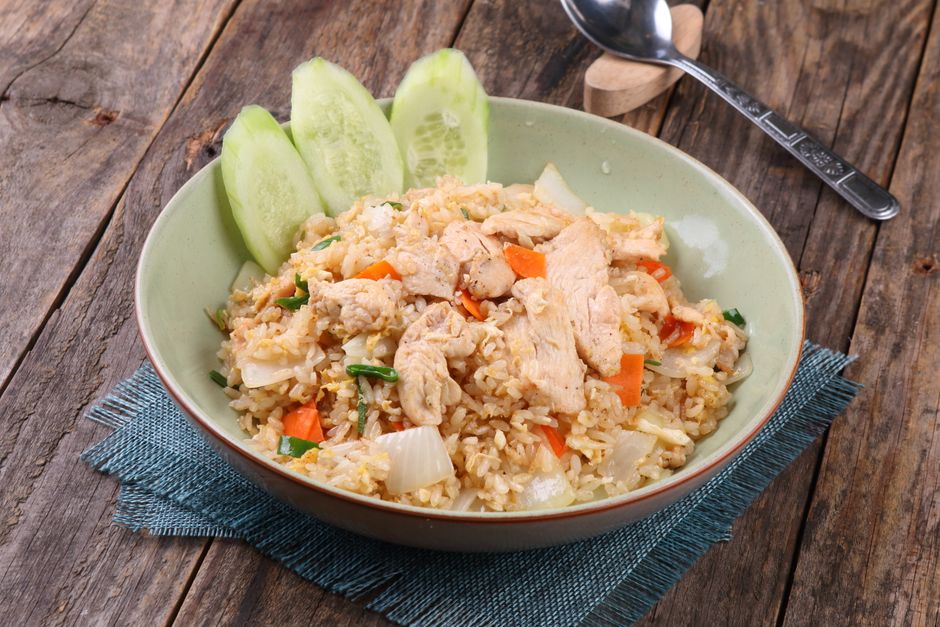
250 Calorie Chicken Cauliflower Fried Rice: A Healthy & Flavorful Low-Calorie Meal
Achieving a satisfying and flavorful meal while adhering to strict calorie goals can often feel like a culinary tightrope walk. The desire for comforting, savory dishes like fried rice, with its irresistible aroma and diverse textures, can seem at odds with calorie consciousness. However, this 250 calorie chicken cauliflower fried rice recipe shatters that misconception, offering a guilt-free indulgence that doesn’t compromise on taste or nutritional value. By strategically swapping traditional rice for nutrient-dense cauliflower rice and utilizing lean protein and healthy fats, this recipe delivers a filling and delicious meal that can be a cornerstone of any calorie-controlled diet. The beauty of this dish lies in its adaptability and the power of simple, wholesome ingredients transformed into something extraordinary. This article will delve deep into the intricacies of creating this low-calorie masterpiece, exploring ingredient selection, preparation techniques, nutritional benefits, and tips for customization, ensuring you can recreate this healthy favorite with confidence and ease.
The foundation of this 250 calorie chicken cauliflower fried rice recipe is the clever substitution of cauliflower for conventional rice. Cauliflower, a cruciferous vegetable, is remarkably low in calories and carbohydrates while boasting an impressive array of vitamins, minerals, and fiber. Its neutral flavor profile allows it to absorb the surrounding ingredients and seasonings beautifully, making it an ideal canvas for fried rice. To prepare cauliflower rice, simply break down cauliflower florets into small pieces and pulse them in a food processor until they achieve a rice-like consistency. Alternatively, a box grater can be used for a similar outcome. The key is to avoid over-processing, which can lead to a mushy texture. Once riced, it’s crucial to remove as much moisture as possible. This can be achieved by spreading the cauliflower rice on a clean kitchen towel or paper towels and gently pressing to absorb excess water. Excess moisture will lead to a watery, less flavorful fried rice, so this step is paramount for achieving the desired texture and taste.
Lean protein is another critical component for a satisfying and calorie-conscious meal. In this 250 calorie chicken cauliflower fried rice, skinless chicken breast is the protein of choice. It’s exceptionally lean, providing a substantial amount of protein with minimal fat and calories. For this recipe, about 3-4 ounces of cooked chicken breast, diced or shredded, will contribute significantly to satiety, helping you feel full for longer. The chicken can be cooked separately by baking, grilling, or poaching before being incorporated into the fried rice. This allows for better control over its moisture content and prevents it from becoming rubbery during the stir-frying process. Alternatively, pre-cooked rotisserie chicken can be a convenient and equally healthy option. The key is to ensure the chicken is cooked through and diced into bite-sized pieces that integrate seamlessly into the cauliflower rice mixture.
Vegetables play a vital role in both the nutritional profile and the sensory appeal of fried rice. For this low-calorie version, a vibrant medley of vegetables is recommended to boost fiber, vitamins, and antioxidants, all while keeping the calorie count in check. Common and highly effective additions include diced carrots, peas, finely chopped bell peppers (any color), and thinly sliced green onions. These vegetables not only add a spectrum of colors but also offer a variety of textures and flavors. Carrots contribute a subtle sweetness and crunch, while peas offer bursts of sweetness and a tender bite. Bell peppers add a crisp texture and a hint of sweetness or mild heat depending on the variety. Green onions, added towards the end of cooking, provide a fresh, pungent aroma and flavor that is characteristic of traditional fried rice. The key to incorporating these vegetables is to chop them into uniform, small pieces that will cook quickly and evenly alongside the cauliflower rice.
The flavor profile of this 250 calorie chicken cauliflower fried rice is achieved through a judicious use of low-calorie seasonings. Soy sauce or tamari (for a gluten-free option) forms the savory base, providing that quintessential umami depth. Opt for low-sodium varieties to manage sodium intake. A touch of rice vinegar adds a subtle tang and brightness that cuts through the richness of the dish. For a hint of sweetness without added sugar, a small amount of a calorie-free sweetener like stevia or erythritol can be used sparingly. Garlic and ginger are indispensable aromatics that infuse the dish with their characteristic pungent and warming notes. Freshly minced garlic and grated ginger are far superior to their dried counterparts in terms of flavor intensity. For a subtle kick of heat, a pinch of red pepper flakes can be added. The goal is to build layers of flavor using these potent ingredients in moderation.
The cooking process for this 250 calorie chicken cauliflower fried rice is centered around a high-heat, quick stir-fry method, which is essential for achieving the best texture and flavor. A wok or a large, non-stick skillet is ideal for this purpose. Begin by heating a small amount of healthy oil, such as a tablespoon of avocado oil or sesame oil, over medium-high heat. Avocado oil has a high smoke point, making it suitable for stir-frying, while sesame oil adds a distinct nutty aroma and flavor. Once the oil is shimmering, add the minced garlic and grated ginger, stir-frying for about 30 seconds until fragrant, being careful not to burn them. Next, add the diced carrots and bell peppers and stir-fry for 2-3 minutes until they begin to soften but still retain a slight crispness.
Following the harder vegetables, introduce the cauliflower rice to the skillet. Stir-fry the cauliflower rice for 5-7 minutes, allowing it to cook and dry out slightly. This step is crucial for developing a texture that mimics cooked rice and prevents sogginess. Continually stir to ensure even cooking and to prevent sticking. If the cauliflower rice appears to be sticking, add a tablespoon of water or low-sodium broth at a time. Once the cauliflower rice is tender-crisp, add the cooked and diced chicken breast and the peas to the skillet. Stir-fry for another 2-3 minutes, just to heat the chicken through and cook the peas.
Now it’s time to introduce the flavor enhancers. Pour in the low-sodium soy sauce (or tamari), rice vinegar, and a pinch of red pepper flakes (if using). If you’re using a calorie-free sweetener, add it now. Stir well to distribute the seasonings evenly throughout the mixture. Continue to stir-fry for an additional minute or two until the liquids have been mostly absorbed and the flavors have melded together. Finally, stir in the chopped green onions just before serving. The residual heat will wilt them slightly, releasing their fresh aroma.
To ensure this recipe consistently falls within the 250 calorie range per serving, precise portion control and ingredient measurement are paramount. A typical serving size for this recipe is approximately 1.5 to 2 cups. The calorie count is derived from the specific quantities of each ingredient. For example, a recipe yielding two servings might include: 2 cups of riced cauliflower (approximately 50 calories), 4 ounces of cooked, skinless chicken breast (approximately 180 calories), 1/2 cup of mixed vegetables (carrots, peas, bell peppers – approximately 40 calories), 1 tablespoon of low-sodium soy sauce (approximately 10 calories), 1 teaspoon of rice vinegar (approximately 5 calories), 1 teaspoon of avocado oil (approximately 40 calories), and small amounts of garlic, ginger, and green onions (negligible calories). When these components are carefully portioned, the total for two servings would hover around 325-350 calories, making each serving approximately 160-175 calories. To reach the 250 calorie mark, the chicken portion can be slightly increased to approximately 3 ounces per serving, or the oil can be slightly reduced, or a larger portion of cauliflower rice and vegetables can be utilized. Careful tracking and weighing of ingredients are essential for accurate calorie counting.
The nutritional benefits of this 250 calorie chicken cauliflower fried rice extend far beyond its calorie advantage. Cauliflower is an excellent source of Vitamin C, Vitamin K, and folate, all of which are vital for immune function, blood clotting, and cell growth, respectively. The fiber content in cauliflower promotes digestive health and contributes to a feeling of fullness, which is particularly beneficial for weight management. Chicken breast is a lean source of high-quality protein, essential for muscle repair and growth, as well as hormone production. Protein also plays a significant role in satiety, helping to curb appetite. The assorted vegetables provide a broad spectrum of vitamins, minerals, and antioxidants, which combat oxidative stress and inflammation in the body. For instance, carrots are rich in beta-carotene, which the body converts to Vitamin A, crucial for vision and skin health. Peas offer a good source of plant-based protein and fiber. The minimal amount of healthy fat used, such as avocado oil, provides essential fatty acids that are important for nutrient absorption and overall health.
Customization is where this 250 calorie chicken cauliflower fried rice truly shines, allowing you to tailor it to your specific taste preferences and dietary needs. For those seeking a spicier kick, consider adding a dash of sriracha sauce or a few slices of fresh jalapeño during the stir-frying process. If you enjoy the nutty depth of sesame oil, you can use a blend of avocado oil and a smaller amount of toasted sesame oil for added aroma, keeping the overall calorie count in mind. For a vegetarian or vegan variation, substitute the chicken with firm or extra-firm tofu, pressed and cubed, or with tempeh. Ensure the tofu or tempeh is pan-fried or baked until golden brown before adding it to the stir-fry. Consider incorporating other low-calorie vegetables like broccoli florets, snow peas, or mushrooms for added texture and flavor variety. Egg whites can also be added for an extra protein boost without significantly increasing the calorie count; scramble them separately and then stir them into the fried rice at the end.
To further enhance the flavor profile without adding significant calories, experiment with different seasonings. A small amount of fish sauce can add an intense umami flavor, but use it sparingly as it can be quite potent. A squeeze of lime juice at the end of cooking can add a bright, refreshing finish. For a more robust flavor, consider using chicken or vegetable broth (low-sodium) instead of water when stir-frying, to deglaze the pan and add moisture. When selecting ingredients, always opt for fresh, high-quality produce and lean cuts of protein to maximize flavor and nutritional value.
The preparation of this 250 calorie chicken cauliflower fried rice can be streamlined through meal prepping. You can pre-chop all your vegetables, cook your chicken breast in advance, and even make your cauliflower rice ahead of time. Store these components in airtight containers in the refrigerator. This will allow you to quickly assemble and cook a healthy meal in under 15-20 minutes on busy weeknights. When storing the riced cauliflower, ensure it is completely dry and stored in a breathable container to prevent it from becoming clumpy.
When serving this low-calorie fried rice, the portion size is critical to maintaining the 250 calorie target. Use measuring cups to ensure you are serving yourself the intended amount. While this recipe is designed to be a complete and satisfying meal, it can also be served as a lighter side dish to a larger protein like grilled fish or a lean steak. The versatility of this dish makes it a valuable addition to any healthy eating repertoire.
In conclusion, this 250 calorie chicken cauliflower fried rice recipe is a testament to the fact that healthy eating does not necessitate sacrificing flavor or satisfaction. By employing smart ingredient substitutions and efficient cooking techniques, you can create a delicious, nutrient-dense meal that supports your calorie goals. The adaptability of this recipe allows for endless variations, ensuring it remains a staple in your culinary rotation. From the satisfying texture of cauliflower rice to the lean protein and vibrant vegetables, every element is carefully considered to deliver a truly guilt-free and flavorful experience. Mastering this recipe empowers you to enjoy the comforting embrace of fried rice while staying firmly on track with your health and wellness objectives. The detailed approach to ingredient selection, preparation, and nutritional considerations presented here provides a comprehensive guide to creating this exceptional low-calorie dish.
