
Whats The Better Workout Stairclimber Or Treadmill
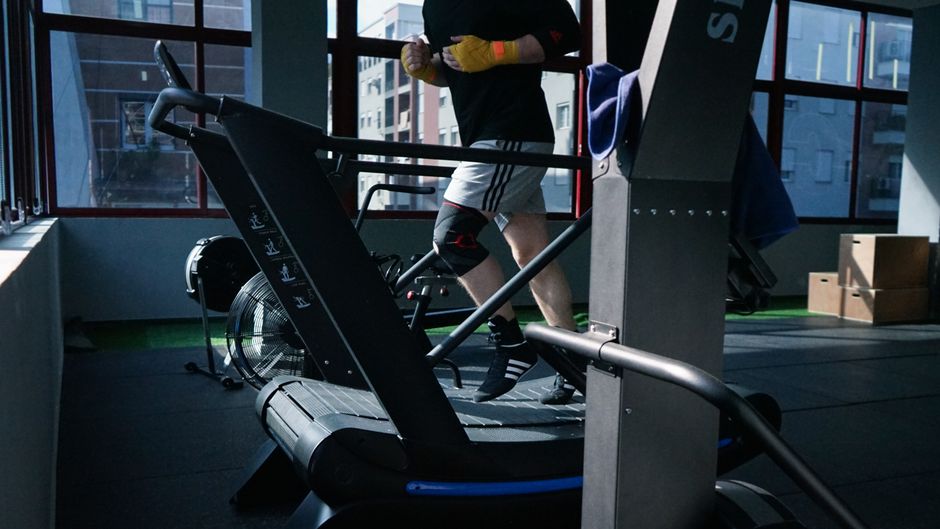
Stairclimber vs. Treadmill: Which Cardio Machine Reigns Supreme for Your Fitness Goals?
When it comes to choosing a cardiovascular workout, treadmills and stairclimbers are two of the most popular options. Both offer effective ways to burn calories, improve cardiovascular health, and build endurance. However, they target different muscle groups and provide distinct experiences, making one potentially more suitable than the other depending on individual fitness goals, preferences, and physical limitations. Understanding the nuances of each machine is crucial for making an informed decision that aligns with your specific objectives. This comprehensive analysis will delve deep into the mechanics, benefits, drawbacks, and optimal use cases for both the stairclimber and the treadmill, empowering you to select the superior machine for your personal fitness journey.
The stairclimber, often referred to as a stepper or stair-stepper, simulates the motion of climbing stairs. Its primary action involves a continuous, repetitive stepping motion that engages the lower body muscles significantly. The machine typically features rotating pedals or steps that move in a vertical direction, requiring users to lift their knees and push off with their feet to ascend. This movement closely mimics the natural gait of stair climbing, making it a functional exercise that can translate to everyday activities. The intensity of a stairclimber workout can be adjusted through variations in speed, resistance levels, and program settings. Some machines offer pre-programmed routines that mimic inclined climbs or interval training, further diversifying the workout experience. The continuous upward motion places a unique demand on the muscles responsible for hip extension, knee flexion, and ankle plantarflexion.
The treadmill, on the other hand, is a versatile machine that allows for walking, jogging, and running. It features a moving belt that provides a continuous surface to move on, simulating locomotion. Users can control the speed and incline of the belt, thereby dictating the intensity and type of workout. Treadmills offer a wide range of customization, from a leisurely stroll to an intense sprint, making them suitable for individuals of all fitness levels. The primary muscles engaged during treadmill use are those of the lower body, including the quadriceps, hamstrings, calves, and glutes. However, the impact on these muscles can vary significantly depending on the speed and incline chosen. A flat surface primarily engages the hamstrings and glutes for propulsion, while an incline recruits more of the quadriceps and calves for ascent.
From a calorie-burning perspective, both machines are highly effective, but the stairclimber often holds a slight edge, especially at higher intensities. This is due to the nature of the movement. Climbing stairs requires a greater degree of muscular engagement and a more sustained effort to overcome gravity with each step. This leads to a higher oxygen consumption rate and, consequently, a greater calorie expenditure per unit of time. Studies have shown that stairclimbers can burn more calories than treadmills when performed at equivalent perceived exertion levels. For instance, a vigorous stairclimber session can easily surpass the calorie burn of a moderate-paced treadmill run. The upward drive and the engagement of larger muscle groups like the glutes and hamstrings contribute to this increased metabolic demand. The constant eccentric loading and concentric contraction required to control the descent and then propel oneself upwards during stair climbing demand significant energy.
The treadmill, while also a powerful calorie-burning tool, offers a more controlled and predictable energy expenditure. While a high-intensity interval training (HIIT) session on a treadmill, involving sprints and short recovery periods, can be extremely effective for calorie burning and boosting metabolism, sustained moderate-intensity running may result in a lower calorie burn compared to a similarly sustained stairclimber workout. However, the ability to precisely control speed and incline on a treadmill allows for tailored calorie-burning goals. For individuals focused on endurance running or marathon training, the treadmill’s controlled environment is invaluable for building mileage and simulating race conditions without the environmental variables of outdoor running. The impact forces on the joints are also a consideration, with treadmills offering some shock absorption.
Muscle engagement is another key differentiator. The stairclimber is a formidable lower body builder. It heavily recruits the quadriceps for knee extension, the hamstrings for hip extension and knee flexion, and the glutes for hip extension. The calves are also worked to a significant degree during the push-off phase. This makes the stairclimber an excellent choice for individuals looking to strengthen and tone their leg muscles, particularly the glutes, which are often underutilized in other cardio exercises. The repetitive, upward motion also promotes better hip flexor mobility and core engagement as the body works to maintain stability. The stairclimber’s movement pattern can be particularly beneficial for individuals seeking to develop explosive power in their lower bodies, a quality useful in many athletic pursuits.
The treadmill, while engaging similar muscle groups, offers a different emphasis. Walking and jogging primarily target the quadriceps, hamstrings, and calves. Running, especially at higher speeds, increases the recruitment of these muscles and also engages the glutes more actively for propulsion. The incline feature on a treadmill can significantly alter muscle activation. Increasing the incline shifts the emphasis towards the quadriceps and calves, mimicking the sensation of uphill running and providing a similar muscular challenge to a stairclimber, albeit through a different movement pattern. For individuals with strong hamstrings and glutes, an inclined treadmill workout can be a more challenging and beneficial option. The treadmill’s ability to provide a high-impact or low-impact workout based on speed and incline makes it adaptable for different training goals and physical conditions.
Joint impact is a crucial consideration for many individuals, particularly those with pre-existing knee, hip, or ankle issues. The treadmill, with its cushioned belt, generally offers a lower impact workout compared to running on hard outdoor surfaces. However, it is still a weight-bearing exercise that involves repetitive pounding. The incline feature can also increase the stress on the knees. The stairclimber, while often considered lower impact than running, still involves significant knee and hip flexion. The controlled, vertical motion can be gentler on the knees for some individuals, as it avoids the forward impact of running. However, for those with severe knee pain or limited mobility in their hips, the deep flexion required by the stairclimber might be problematic. It is essential to listen to your body and consult with a healthcare professional if you have concerns about joint health. The smooth, controlled movement of many modern stairclimbers can be advantageous for those seeking to minimize jarring forces.
Cardiovascular benefits are paramount for any aerobic exercise, and both machines excel in this area. Regular use of either a stairclimber or a treadmill will improve heart health, lower blood pressure, enhance lung capacity, and increase endurance. The intensity and duration of the workout will dictate the extent of these benefits. High-intensity interval training on either machine can lead to significant improvements in VO2 max, a key indicator of cardiovascular fitness. The ability to sustain challenging efforts on both machines for extended periods contributes to a stronger and more efficient cardiovascular system. For individuals looking to improve their stamina for activities like hiking or sports, the cardiovascular conditioning provided by both is invaluable. The rhythmic nature of both workouts promotes a steady increase in heart rate and oxygen utilization.
Versatility and adaptability are where the treadmill often shines. The ability to adjust speed and incline allows for a vast array of workout possibilities, from gentle walks to intense sprints and challenging hill climbs. This makes the treadmill a suitable choice for a wide range of fitness levels and goals. Whether you’re a beginner looking to build a base or an advanced athlete training for a marathon, the treadmill can accommodate your needs. Furthermore, the treadmill can be used for active recovery or rehabilitation. The controlled environment also allows for precise monitoring of pace and distance, which is beneficial for structured training plans. The sheer range of movement options available on a treadmill makes it a true all-rounder in the cardio equipment category.
The stairclimber, while less varied in its fundamental motion, offers intensity through its programmed workouts and resistance levels. While you can’t "run" on a stairclimber, you can push the intensity by increasing the step rate, resistance, or by engaging in specific interval training programs designed to mimic challenging ascents. The functional aspect of stair climbing can be a significant draw for individuals who want to improve their performance in activities that involve vertical movement, such as hiking, skiing, or playing basketball. The stairclimber provides a focused, lower-body dominant workout that can be highly effective for targeted muscle development and calorie burn. The continuous nature of the movement can also be mentally engaging for some, fostering a sense of progression with each step.
When considering weight loss, both machines are powerful allies, but the stairclimber’s higher calorie burn potential per minute can be advantageous for those prioritizing rapid weight loss. Consistent workouts on a stairclimber can lead to a significant calorie deficit, which is the cornerstone of weight reduction. However, sustainable weight loss is achieved through a combination of diet and exercise. The treadmill, with its versatility, can be used to burn a substantial number of calories, especially when incorporating high-intensity intervals or longer duration sessions. The key is consistency and finding a workout that you enjoy enough to stick with long-term. The cumulative effect of regular exercise, regardless of the specific machine, is what drives sustainable weight loss.
For individuals focused on building lower body strength and definition, the stairclimber often takes precedence. Its targeted engagement of the glutes, quadriceps, and hamstrings can lead to noticeable improvements in muscle tone and strength. The gluteal muscles, in particular, are heavily recruited during the upward drive, making the stairclimber an excellent tool for shaping and strengthening this often-underdeveloped muscle group. While treadmills also work the lower body, the stairclimber provides a more concentrated and intense stimulus for these muscles. The constant tension and resistance involved in climbing create an environment conducive to hypertrophy and increased muscular endurance.
The choice between a stairclimber and a treadmill ultimately depends on your individual fitness goals, physical condition, and personal preferences. If your primary goal is to maximize calorie burn in a shorter period, build lower body strength (especially in the glutes), and perform a functional exercise that mimics everyday movement, the stairclimber is likely the superior choice. Its intense, focused workout can be highly effective for fat loss and muscle toning.
However, if you seek a more versatile workout that allows for a wide range of intensities, from gentle walking to high-speed running, and you want to improve cardiovascular endurance for activities like running, the treadmill offers unparalleled adaptability. Its ability to simulate various terrains and running conditions makes it ideal for a broad spectrum of fitness enthusiasts. For those concerned about joint impact, the treadmill’s cushioned belt can offer some relief, though it’s still a weight-bearing exercise. If you are recovering from an injury or have specific joint limitations, consulting with a physical therapist to determine the most suitable machine is highly recommended. The treadmill’s controlled environment allows for precise adjustments to reduce stress on specific joints, making it a safer option for some individuals. Ultimately, the best workout is the one you will consistently perform, so consider which machine motivates you the most.
