
Missing Teeth Causes And Replacement Options
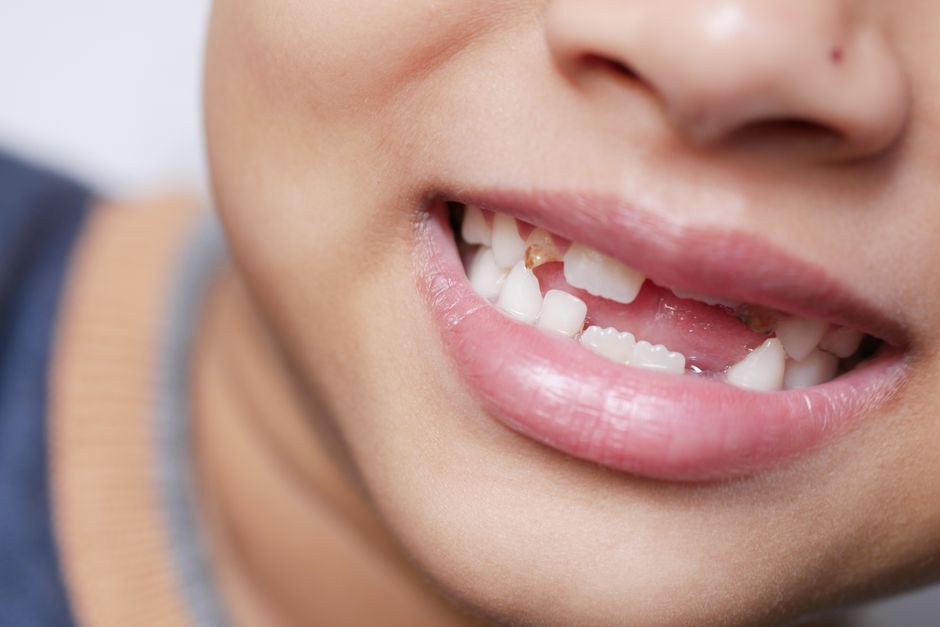
Missing Teeth: Causes, Consequences, and Advanced Replacement Solutions
The loss of one or more teeth is a common dental concern with far-reaching implications, impacting not only oral aesthetics but also fundamental oral functions like chewing and speaking. Understanding the myriad causes of tooth loss is crucial for effective prevention and management. Primary contributors to missing teeth fall into several distinct categories, each with its own underlying mechanisms and potential for intervention.
Periodontal disease, also known as gum disease, stands as the leading cause of tooth loss in adults. This chronic inflammatory condition, initiated by bacterial plaque buildup, progressively damages the gums and supporting bone structures that anchor teeth. Early stages, such as gingivitis, present as reversible gum inflammation. However, if left untreated, it advances to periodontitis, a more severe form characterized by the formation of periodontal pockets, bone resorption, and eventual tooth loosening and loss. Risk factors for periodontal disease include poor oral hygiene, smoking, diabetes, hormonal changes, and genetic predisposition. The bacterial toxins released during the inflammatory process directly attack the periodontal ligament and alveolar bone, compromising tooth stability.
Tooth decay, or dental caries, represents another significant contributor to tooth loss, particularly in younger populations but also affecting adults. This infectious disease is caused by acid-producing bacteria that metabolize sugars and starches from the diet. The acids produced erode tooth enamel, creating cavities. If these cavities are left untreated, they can penetrate the dentin and ultimately reach the pulp, leading to infection and abscess formation. Severe decay can necessitate tooth extraction to prevent the spread of infection and alleviate pain. Factors that exacerbate tooth decay include frequent consumption of sugary foods and drinks, inadequate fluoride exposure, and poor oral hygiene practices.
Traumatic dental injuries are a frequent cause of tooth loss across all age groups. These injuries can result from accidents such as falls, sports-related incidents, and motor vehicle collisions. The force of impact can lead to tooth fractures, luxation (loosening of the tooth), avulsion (complete displacement of the tooth from its socket), or even damage to the surrounding bone. Depending on the severity of the trauma and the timeliness of professional intervention, a knocked-out tooth may be salvageable, but often, irreparable damage necessitates extraction. The degree of displacement and the condition of the tooth root are critical determinants of prognosis.
Congenital absence of teeth, also known as hypodontia or oligodontia, is a developmental condition where individuals are born with fewer teeth than normal or are missing entire dental families. This can be a solitary issue or associated with a broader genetic syndrome, such as ectodermal dysplasia. The agenesis of teeth can affect primary (baby) teeth, permanent teeth, or both. The pattern of missing teeth can vary, and in some cases, the unerupted teeth are present in the bone but fail to emerge. This condition often requires early orthodontic assessment and management to address functional and aesthetic concerns.
Other contributing factors to tooth loss include persistent bruxism (teeth grinding), which can lead to excessive wear and fracture of teeth; certain medical conditions and their treatments, such as osteoporosis and chemotherapy; and the aging process itself, where teeth can become more susceptible to wear and gum recession over time. While not a direct cause, insufficient access to regular dental care exacerbates the progression of many of these underlying issues, leading to more widespread tooth loss.
The consequences of missing teeth extend beyond mere cosmetic concerns. Functionally, tooth loss can significantly impair chewing efficiency. With fewer teeth available to masticate food, the digestive process begins inefficiently, potentially leading to gastrointestinal problems. This can also influence dietary choices, leading individuals to favor softer, less nutritious foods. Speech can also be affected, with certain sounds becoming difficult to articulate clearly. For instance, the pronunciation of sibilants like ‘s’ and ‘z’ relies heavily on the interaction of the tongue with the front teeth.
Aesthetics are undeniably impacted. A single missing tooth, particularly in the anterior (front) region of the mouth, can create a noticeable gap, leading to self-consciousness and reduced confidence. The resulting smile can appear aged or incomplete, affecting social interactions and overall quality of life.
Beyond the immediate functional and aesthetic impacts, missing teeth trigger a cascade of physiological changes within the oral cavity. The most profound consequence is alveolar bone resorption. When a tooth is lost, the jawbone that previously supported it no longer receives the necessary stimulation from the tooth root. This lack of stimulation leads to a gradual and irreversible process of bone loss, a phenomenon known as alveolar ridge atrophy. Over time, this bone resorption can cause the remaining teeth to shift and drift into the empty spaces, leading to malocclusion and further functional problems. The facial profile can also change as the supporting bone diminishes, leading to a sunken appearance in the cheeks and around the mouth.
The prevention of tooth loss hinges on proactive and consistent oral healthcare. Meticulous oral hygiene, including brushing twice daily with fluoride toothpaste and flossing once daily, is paramount in removing plaque and preventing dental caries and periodontal disease. Regular dental check-ups and professional cleanings, typically recommended every six months, allow dentists to identify and address early signs of disease before they become severe. Dietary modifications, such as limiting sugary and acidic foods and beverages, play a crucial role in reducing the risk of tooth decay. The use of dental sealants, particularly for children, can provide an extra layer of protection for the chewing surfaces of molars. For individuals prone to bruxism, a custom-fitted night guard can protect teeth from excessive wear and fracture. Wearing protective mouthguards during contact sports significantly reduces the risk of traumatic dental injuries.
When tooth loss has occurred, numerous advanced replacement options are available, each offering distinct advantages and catering to varying patient needs and clinical situations. These modern solutions aim to restore not only the appearance but also the full function and long-term health of the oral cavity.
Dental implants have revolutionized tooth replacement. A dental implant is a small, biocompatible screw, typically made of titanium, that is surgically placed into the jawbone. This implant serves as an artificial tooth root. After a period of osseointegration, where the bone fuses to the implant, a custom-made dental crown, bridge, or denture is attached to the implant abutment. Implants offer a highly stable and durable solution, mimicking the feel and function of natural teeth. They also prevent further alveolar bone loss by providing stimulation to the jawbone, much like a natural tooth root. The success rate of dental implants is exceptionally high when proper surgical and restorative protocols are followed, and the patient maintains good oral hygiene. The long-term prognosis for implants is excellent, often lasting a lifetime.
Fixed dental bridges are another well-established option for replacing one or more missing teeth. A traditional bridge involves placing crowns on the natural teeth adjacent to the gap (abutment teeth). These abutment teeth are reshaped and prepared to support the artificial tooth or teeth (pontics) that bridge the gap. Bridges are permanently cemented in place and do not require removal by the patient. While effective in restoring function and aesthetics, traditional bridges require the alteration of healthy adjacent teeth, which can make them more susceptible to decay and other issues over time. Furthermore, they do not prevent the bone loss that occurs in the edentulous (toothless) area beneath the pontic.
Removable partial dentures are a more economical option for replacing multiple missing teeth. These appliances consist of artificial teeth attached to a gum-colored base, which is supported by a metal or acrylic framework that clasps onto the remaining natural teeth. Partial dentures can be removed for cleaning and by the patient at night. While they restore some chewing function and improve aesthetics, they can be less stable and comfortable than fixed solutions. Over time, the clasps can exert pressure on the abutment teeth, and the denture itself can contribute to some bone resorption in the edentulous areas.
Complete dentures are used when all teeth in an arch are missing. They are typically made of acrylic and are designed to rest on the gums, held in place by suction and sometimes dental adhesives. Complete dentures can restore aesthetics and allow for some level of chewing. However, they offer the least stability and can significantly impact taste and sensation. The absence of tooth roots means that alveolar bone loss continues, often leading to a decline in denture fit over time and requiring periodic relining or replacement.
Implant-supported dentures represent a hybrid solution, combining the stability of implants with the affordability of dentures. In this approach, a few dental implants are strategically placed in the jawbone to provide anchorage for a full denture. This significantly improves the stability and retention of the denture compared to conventional complete dentures, reducing rocking and movement during chewing and speaking. Implant-supported dentures are often removable for cleaning but offer a much more secure and comfortable experience.
The selection of the most appropriate tooth replacement option depends on several factors, including the number and location of missing teeth, the condition of the remaining teeth and gums, the amount and quality of available jawbone, the patient’s overall health, aesthetic desires, and financial considerations. A comprehensive dental examination, including diagnostic imaging such as X-rays and CBCT scans, is essential for the dentist to assess the suitability of various treatment modalities and develop a personalized treatment plan. Open communication between the patient and the dental professional is crucial to ensure informed decision-making and achieve optimal long-term outcomes. Early intervention and a commitment to diligent oral hygiene are key to maximizing the longevity and success of any tooth replacement strategy.
