
Tag Yoga Teacher Training
The Transformative Path: Comprehensive Guide to TAG Yoga Teacher Training
Embarking on a TAG Yoga Teacher Training program is a profound commitment to deepening one’s understanding and practice of yoga, with the ultimate goal of sharing its transformative power with others. This intensive journey goes far beyond mere asana alignment; it delves into the philosophical underpinnings, ethical considerations, and pedagogical approaches necessary to become a skilled and confident yoga instructor. For aspiring teachers, choosing the right training program is paramount, and understanding the core components, benefits, and potential career pathways associated with TAG Yoga Teacher Training is essential for making an informed decision.
TAG Yoga Teacher Training, whether at the 200-hour, 300-hour, or 500-hour level, typically encompasses a comprehensive curriculum designed to equip individuals with the knowledge and skills to teach yoga safely and effectively. At its heart lies a rigorous exploration of asana, where trainees learn to break down poses, understand proper alignment, identify contraindications, and offer modifications for diverse bodies and abilities. This anatomical and biomechanical understanding is crucial for preventing injuries and fostering a practice that is accessible to all. Beyond the physical, the training delves into pranayama, the science of breath control, exploring various techniques and their impact on the nervous system, energy levels, and mental clarity. Trainees will learn how to introduce these breathwork practices to students, guiding them towards greater self-awareness and stress reduction.
A significant portion of any reputable TAG Yoga Teacher Training is dedicated to yoga philosophy and history. This includes studying ancient yogic texts like the Yoga Sutras of Patanjali and the Bhagavad Gita, understanding the eight limbs of yoga, and exploring the evolution of yoga from its origins to its modern interpretations. This foundational knowledge provides context and depth to the practice, allowing teachers to move beyond a purely physical approach and offer a more holistic and meaningful experience to their students. Ethics and professional development are also integral components. Trainees are guided on building a strong personal practice, developing a business plan, marketing their services, and establishing professional boundaries. Understanding the responsibilities of a yoga teacher, including creating a safe and inclusive space, handling challenging situations, and continuous learning, is emphasized throughout the training.
The practical application of knowledge is central to TAG Yoga Teacher Training. Trainees engage in extensive practice teaching, both in small groups and eventually in front of larger audiences. This hands-on experience is invaluable for developing confidence, refining sequencing skills, honing verbal cueing, and learning to observe and respond to student needs. Feedback from experienced instructors is crucial during this phase, allowing trainees to identify areas for improvement and build upon their strengths. The curriculum often includes workshops on specific teaching methodologies, such as trauma-informed yoga, prenatal yoga, or chair yoga, enabling graduates to cater to specialized populations and broaden their teaching repertoire. Research into the benefits of yoga for mental health, chronic pain management, and overall well-being further enhances a teacher’s ability to communicate the profound positive impacts of the practice.
The benefits of completing a TAG Yoga Teacher Training extend far beyond the acquisition of a teaching certificate. For many, it represents a profound personal transformation. The immersive nature of the training encourages introspection, self-discovery, and the shedding of limiting beliefs. Daily yoga and meditation practices, coupled with group discussions and shared experiences, foster a sense of community and connection. Participants often report increased self-awareness, emotional resilience, and a greater sense of purpose. The disciplined study and dedication required cultivate discipline, perseverance, and a heightened sense of responsibility. This journey of self-exploration can lead to a more integrated and authentic way of living, both on and off the mat.
Upon successful completion of a TAG Yoga Teacher Training program, graduates are equipped with the foundational skills to begin their teaching careers. Many find opportunities to teach at local yoga studios, gyms, community centers, or corporate wellness programs. The training also empowers individuals to offer private yoga sessions, tailoring practices to the specific needs of individuals. Building a sustainable teaching career often involves a blend of in-person classes, online offerings, and workshops. The skills developed, such as communication, leadership, and the ability to inspire, are transferable to various other professional settings, making the training a valuable investment even for those who may not pursue teaching full-time.
The 200-hour foundational training is the industry standard and the primary entry point for aspiring yoga teachers. It provides a solid understanding of the core principles and practices necessary to teach basic yoga classes. For those seeking to deepen their expertise, a 300-hour advanced training builds upon the 200-hour foundation, offering more specialized knowledge in areas like anatomy, physiology, subtle body energies, and diverse teaching styles. A 500-hour certification signifies a high level of training and experience, often pursued by teachers who wish to specialize, lead their own teacher trainings, or delve into advanced therapeutic applications of yoga.
The choice of a specific TAG Yoga Teacher Training program should be carefully considered. Factors such as the training style (e.g., Vinyasa, Hatha, Ashtanga), the experience and lineage of the lead instructors, the program’s accreditation (e.g., by Yoga Alliance), the training location and schedule, and the overall philosophy of the school are all important considerations. Prospective trainees should research the curriculum thoroughly, read testimonials from past graduates, and if possible, attend a sample class or workshop offered by the training provider. A program that resonates with an individual’s personal yoga journey and teaching aspirations will undoubtedly yield the most rewarding experience.
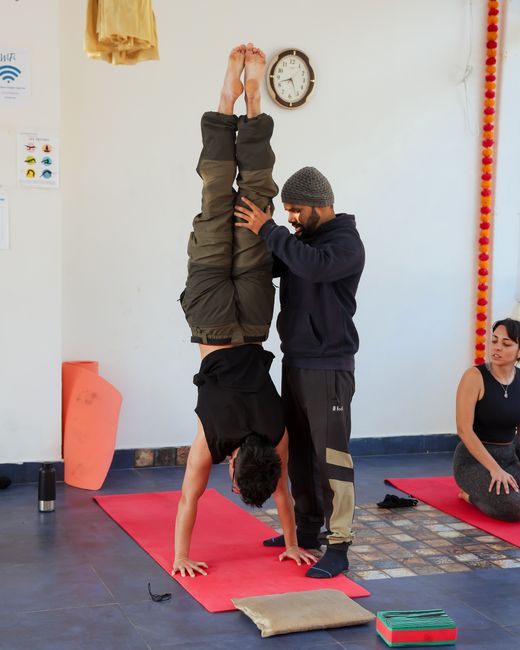
The curriculum typically includes detailed study of anatomy and physiology as it relates to yoga, focusing on the skeletal and muscular systems, joint mechanics, and common injuries. Understanding the energetic anatomy, including chakras and nadis, provides a deeper insight into the subtler aspects of the practice. Sequencing principles are a cornerstone, teaching trainees how to create safe, balanced, and effective class flows that build progressively towards peak poses and offer appropriate counter-poses and cool-downs. The art of observation and hands-on assists is also a critical skill developed, with trainees learning to provide guidance that enhances alignment and student safety without being intrusive.
Trauma-informed yoga training is increasingly becoming a vital component of modern yoga education. This approach recognizes that many individuals have experienced trauma, and it provides teachers with the tools to create a safe, empowering, and non-triggering environment. This includes understanding the impact of trauma on the body and mind, offering choices and agency to students, and using language that is mindful and inclusive. Graduates of TAG Yoga Teacher Training programs that incorporate this essential element are better equipped to serve a wider range of students, including those who may be dealing with mental health challenges or the after-effects of adverse experiences.
The business of yoga is an often-overlooked but crucial aspect of teacher training. Aspiring instructors learn about developing a personal brand, marketing their classes and workshops through social media and other channels, and managing the financial aspects of their teaching practice. Understanding insurance requirements, legal considerations, and ethical marketing practices is essential for building a sustainable and professional yoga business. Networking with other yoga professionals and building a supportive community can also be invaluable for career growth and mentorship.
Continuous professional development is a hallmark of a dedicated yoga teacher. TAG Yoga Teacher Training provides the foundational knowledge, but the learning journey does not end with certification. Many teachers continue their education through workshops, advanced training programs, and specialized certifications in areas such as yoga therapy, meditation instruction, or specific movement modalities. Staying current with research in yoga and related fields, attending conferences, and engaging in ongoing self-study are all vital for evolving as a teacher and providing the most beneficial experience for students. The commitment to lifelong learning is a testament to the dedication and passion of those who choose to share the gift of yoga with the world.
The impact of a well-trained yoga teacher extends far beyond the physical benefits of the practice. They are often seen as guides, mentors, and facilitators of personal growth. By creating a space of acceptance, respect, and non-judgment, yoga teachers can empower individuals to connect with their inner strength, cultivate mindfulness, and develop a greater sense of well-being. The skills learned in TAG Yoga Teacher Training, from anatomy and sequencing to philosophy and ethics, are all geared towards enabling teachers to offer a practice that is not only safe and effective but also deeply meaningful and transformative for their students. The journey of becoming a yoga teacher is a commitment to service, a dedication to lifelong learning, and an opportunity to make a positive difference in the lives of others.
