
Rick Ditched Fast Food Picked Up Walking And Lost 215 Pounds
Rick Ditched Fast Food, Picked Up Walking, and Lost 215 Pounds: A Journey of Transformation
Rick’s story is not one of overnight success or a magical diet. It’s a testament to the power of consistent, sustainable lifestyle changes, specifically the deliberate shedding of fast food consumption and the embrace of regular physical activity, culminating in a remarkable weight loss of 215 pounds. This journey wasn’t about quick fixes; it was a gradual, determined evolution that fundamentally altered Rick’s health and well-being. The decision to move away from the convenience and ingrained habit of fast food was the pivotal turning point, paving the way for the subsequent integration of walking as his primary form of exercise. This combination, seemingly simple, proved to be the cornerstone of his extraordinary transformation.
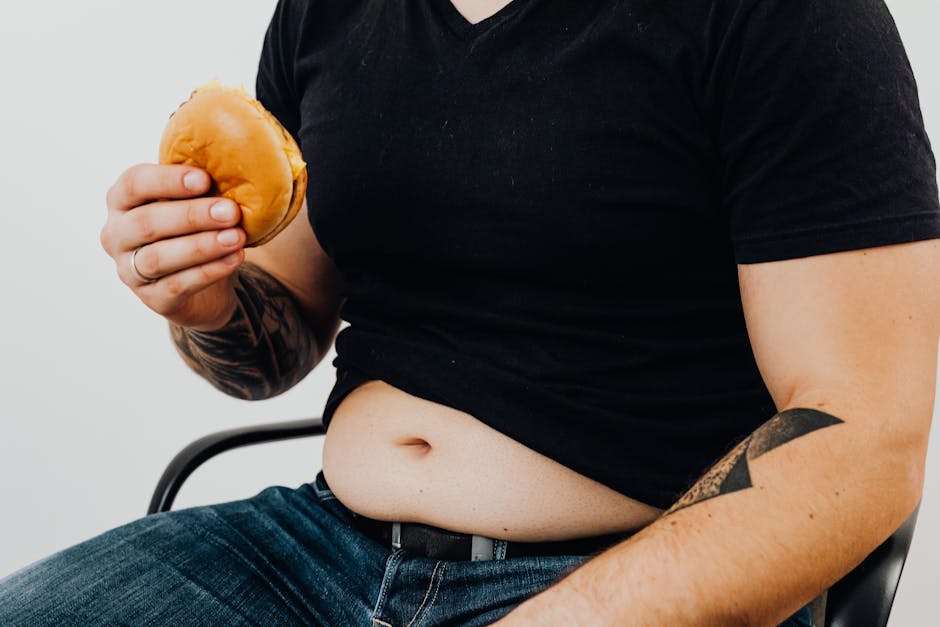
The allure of fast food, for many, lies in its immediate gratification and perceived affordability. Rick, like countless others, found himself trapped in a cycle of convenience-driven eating. His diet was heavily reliant on high-calorie, low-nutrient options, contributing to a significant increase in his weight. Burgers, fries, sugary drinks, and processed meals were staples, offering temporary satisfaction but fueling a long-term health crisis. The sheer volume of calories consumed daily, coupled with the lack of essential vitamins and minerals, created an environment where weight gain was not just probable, but inevitable. This pattern of eating also contributed to feelings of lethargy and a reduced capacity for physical exertion, creating a vicious cycle where being overweight made it harder to be active, and inactivity further contributed to weight gain. The mental and emotional toll of such a lifestyle also played a significant role, often leading to feelings of shame and a diminished sense of self-worth, which in turn could trigger further reliance on comfort foods.
The initial impetus for change likely stemmed from a realization of the detrimental impact his current lifestyle was having on his health. Whether it was a specific health scare, a growing discomfort with his physical limitations, or a profound desire for a different future, the spark ignited. The first, and arguably most crucial, step Rick took was the conscious and decisive rejection of fast food. This wasn’t a gradual reduction; it was a deliberate and determined phase-out. He began by identifying the triggers that led him to fast food establishments – stress, boredom, time constraints, social situations – and actively sought out alternatives. This involved planning meals in advance, stocking his pantry with healthier options, and learning basic cooking skills. The shift from readily available, pre-prepared meals to the necessity of preparing his own food was a significant undertaking, requiring a mental recalibration and a commitment to prioritizing his health over immediate convenience. He had to retrain his palate, gradually weaning himself off the intense flavors and textures of processed foods and reacquainting himself with the natural tastes of fresh ingredients. This process undoubtedly involved cravings and moments of temptation, which he had to learn to navigate and overcome with discipline and a strong "why."
Simultaneously, Rick embraced walking as his primary mode of physical activity. This wasn’t about joining a gym or engaging in strenuous, high-impact workouts. It was about integrating movement into his daily life in a sustainable and accessible way. He started small, perhaps with short walks around his neighborhood, gradually increasing the duration and intensity as his stamina improved. The beauty of walking lies in its simplicity and inclusivity; it requires no special equipment or membership, making it a highly accessible form of exercise for people of all fitness levels. The gradual progression was key. Initially, a 15-minute walk might have been a significant effort. Over time, this evolved into 30-minute walks, then hour-long excursions, and eventually, longer hikes. He likely discovered the varied benefits of walking beyond calorie expenditure, such as improved cardiovascular health, reduced stress levels, enhanced mood, and better sleep. The repetitive, rhythmic nature of walking can be meditative, providing an opportunity for reflection and mental decompression, which likely helped him cope with the challenges of his weight loss journey.
The synergistic effect of ditching fast food and embracing walking proved to be incredibly potent. The elimination of high-calorie, nutrient-deficient fast food significantly reduced his caloric intake, creating the necessary deficit for weight loss. At the same time, the consistent calorie expenditure from walking helped to accelerate this process and build lean muscle mass, which further boosted his metabolism. This dual approach tackled the problem from both ends: reducing intake and increasing output. The absence of the inflammatory ingredients commonly found in fast food also likely contributed to a reduction in bloating and an overall feeling of physical well-being, making it easier to sustain his exercise routine. Furthermore, the act of walking often encourages mindful eating. When you’re actively moving your body, you tend to become more aware of your hunger cues and the impact of your food choices. This heightened awareness, coupled with the reduced availability of fast food options, fostered a more conscious and deliberate approach to nutrition.
Rick’s success in losing 215 pounds didn’t happen overnight. It was a journey characterized by perseverance, adaptation, and a deep understanding of his own body and habits. There were undoubtedly plateaus, moments of doubt, and setbacks. The ability to push through these challenges, learn from them, and recommit to his goals was paramount. This often involved seeking support, whether from friends, family, or online communities, and educating himself further on nutrition and fitness. He likely learned to celebrate small victories along the way, recognizing that each pound lost was a step closer to his ultimate goal. The process also involved a significant mental shift. He had to reprogram his thinking, moving away from viewing food as a reward or a crutch and instead seeing it as fuel for his body. The association of walking with positive outcomes – increased energy, improved mood, greater mobility – likely served as powerful motivators.
The long-term sustainability of Rick’s transformation hinges on the integration of these habits into his lifestyle. It’s not about a temporary diet; it’s about a permanent shift in how he eats and moves. The 215-pound weight loss is a remarkable achievement, but the true success lies in his ability to maintain this healthier weight and continue to enjoy the benefits of his lifestyle changes. This means continuing to prioritize whole, unprocessed foods and making regular physical activity, like walking, a non-negotiable part of his routine. He likely discovered new hobbies and interests that involve movement, further embedding activity into his life. The ripple effects of his transformation extend far beyond the number on the scale, encompassing improved physical health, increased energy levels, enhanced mental clarity, and a renewed sense of confidence and self-efficacy. His story serves as an inspiring example of what is achievable when individuals commit to fundamental, sustainable lifestyle changes, demonstrating that sometimes, the most profound transformations come from the simplest, most accessible solutions. The keywords here are consistency, patience, and the deliberate cultivation of healthier habits over time, proving that ditching the drive-thru and embracing the walking path can indeed lead to a life-altering reduction in weight and an overall elevation in well-being.
