Behind the Smile: Ten Vital Insights Your Orthodontist Wishes You Knew About Modern Dental Care

When patients sit in the ergonomic chair of an orthodontic clinic, the conversation typically revolves around immediate compliance: wearing rubber elastics diligently, adhering strictly to aligner wear schedules, navigating toothbrushes meticulously around metal brackets, and showing up for scheduled adjustments. Yet, beneath the routine check-ins and adjustments lies a sophisticated medical discipline driven by biomechanics, developmental biology, and long-term oral health preservation.
Orthodontic treatment extends far beyond the surface-level aesthetics of a straight smile. Specialists in this field evaluate intricate structural relationships involving the teeth, jaws, facial muscles, and airway functionality. To bridge the communication gap between clinician and patient, dental professionals frequently reflect on critical aspects of care that often remain obscured behind the scenes. Understanding these ten fundamental principles can transform the patient experience, enhance clinical outcomes, and foster a more collaborative healthcare partnership.
1. The Comprehensive Scope: Beyond Aesthetic Alignment
The primary misconception among patients is that orthodontics is synonymous with cosmetic dentistry. While a visually appealing smile is a natural byproduct of treatment, the foundational objective is structural and functional harmony. Orthodontists evaluate how the upper and lower dental arches interlock, how the temporomandibular joints (TMJ) function, whether specific teeth endure destructive occlusal forces, and how skeletal development impacts overall oral function, including respiration.
A patient may possess perfectly aligned anterior teeth while harboring a severe overbite, crossbite, or functional shift that compromises long-term dental health. Consequently, treatment plans frequently address structural issues that patients initially overlook. The ultimate goal is not merely a straight smile, but a stable, functional relationship between the teeth, supporting bone, and jaw joints that can endure a lifetime of chewing, speaking, and stress.
2. Diagnostic Vision: What Lies Beneath the Surface
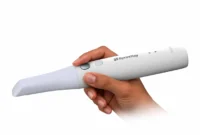
While patients rely on mirror reflections to assess their dental progress, clinicians utilize advanced diagnostic imaging—including panoramic radiographs, cephalometric X-rays, three-dimensional cone-beam computed tomography (CBCT) scans, and digital intraoral scans—to visualize structures hidden beneath the gumline and within the jawbone.
These diagnostic tools reveal impacted teeth, congenital missing teeth, supernumerary (extra) teeth, inadequate bone architecture, and aberrant eruption paths. In pediatric populations, early diagnostic imaging allows clinicians to monitor craniofacial growth trajectories and intervene before minor developmental deviations evolve into complex skeletal malocclusions. What is visible in the mirror represents only a fraction of the clinical picture, necessitating professional oversight to secure optimal health and aesthetic outcomes.
3. The Philosophy of Early Evaluation Versus Immediate Intervention
Industry guidelines established by the American Association of Orthodontists (AAO) recommend that children undergo their initial orthodontic evaluation no later than age seven. This benchmark frequently causes parental confusion, as many assume an early evaluation guarantees the immediate application of expanders, braces, or functional appliances.
In clinical practice, however, an early screening often results in a recommendation for active observation rather than immediate treatment. Orthodontists track skeletal growth patterns, the natural exfoliation of deciduous teeth, the eruption sequence of permanent dentition, and occlusal shifts over time. While some children benefit from interceptive Phase I treatment, many require no intervention until their adolescent years. When an orthodontist advises a patient to return in twelve months, that directive represents a proactive, measured component of a comprehensive developmental plan.
4. Customization Over Consumer Preferences: The Science of Appliance Selection
Modern consumers frequently arrive at initial consultations with pre-formed preferences regarding their treatment modality, often requesting specific brands of clear aligners or demanding accelerated timelines popularized on social media platforms. While patient preferences matter, appliances—whether traditional metal braces, ceramic brackets, clear aligners, rapid palatal expanders, or specialized functional appliances—are merely clinical tools.
The selection of a specific appliance depends entirely on the biomechanical requirements of the individual case. Factors such as skeletal maturity, periodontal health, the three-dimensional vectors required for root movement, and overall treatment objectives dictate the clinical protocol. Two patients presenting with superficially similar crowding may require entirely different mechanics based on their underlying bone density and jaw relationships. Trusting clinical expertise ensures that the chosen mechanism aligns with physiological realities rather than consumer marketing trends.
5. Clinical Transparency: How Professionals Detect Track Deviations
Patients occasionally omit compliance failures during follow-up appointments, hoping minor lapses in wear time will go unnoticed. Whether a patient forgets to wear their elastics for a week, removes aligners for extended social events, or loses a component and delays replacement, the physical evidence is rarely hidden from an experienced clinician.
Orthodontic treatment relies on continuous, predictable force application. When teeth fail to track according to digital or analog projections, or when appliances exhibit atypical wear patterns and structural damage, the biological response signals the discrepancy. Orthodontists do not interrogate patients to assign blame; rather, they require accurate historical data to diagnose why a case is stalling and to recalibrate the treatment vector safely. Transparent communication regarding compliance challenges allows clinicians to adapt the plan efficiently rather than guessing blindly.
6. The Shared Responsibility: The Significance of Inter-Appointment Compliance
The vast majority of orthodontic treatment occurs outside the clinical setting. While the orthodontist designs the biomechanical strategy and applies the appliances, the daily execution rests squarely on the patient. Adhering to wear schedules for elastics and removable aligners, maintaining meticulous dietary restrictions to prevent bracket detachment, and attending scheduled appointments punctually are vital variables in treatment success.
Occasional deviations rarely derail an entire case, but chronic habits compound over time, leading to extended treatment durations, compromised final results, and potential iatrogenic damage. Successful orthodontics operates as a bi-directional partnership where clinical precision meets diligent home-care routines.
7. Enamel Preservation and Periodontal Health
The pursuit of alignment must never compromise the fundamental integrity of the teeth and supporting periodontium. Fixed appliances, such as traditional braces, create numerous micro-retentive niches where dental plaque and food debris accumulate, particularly around orthodontic brackets and subgingival margins. Without rigorous oral hygiene practices, patients face heightened risks of decalcification (early enamel lesions), gingivitis, and carious lesions.
Clear aligners present alternative hygiene challenges, requiring rigorous cleaning protocols to prevent bacterial trapping and staining. Orthodontists emphasize hygiene not out of bureaucratic insistence, but to protect the structural health of the teeth undergoing mechanical stress. Patients are encouraged to utilize specialized interdental brushes, water flossers, and fluoride rinses to safeguard their enamel throughout the active phase of care.
8. Collaborative Healthcare: Distinguishing the Dentist from the Orthodontist
A persistent misconception in oral healthcare assumes that orthodontic visits supersede routine dental examinations. While both professions operate within the realm of oral medicine, their scopes of practice are distinct and complementary.
General dentists focus on comprehensive oral health, including caries management, restorative treatments, periodontal maintenance, and routine prophylaxis. Orthodontists specialize in the diagnosis, prevention, and correction of malocclusions and dentofacial deformities. Active orthodontic treatment necessitates concurrent, routine visits to a general dentist for professional cleanings and cavity checks. The dentist and orthodontist function as dual members of an integrated healthcare team dedicated to preserving total oral wellness.
9. The Significance of Minor Hardware Anomalies
Patients frequently hesitate to contact their orthodontic provider regarding minor appliance issues, such as a slightly loose bracket, a mildly irritating wire, a misplaced aligner, or a tight retainer. Fear of being perceived as bothersome often leads individuals to wait until their next scheduled appointment, potentially risking treatment setbacks.
Prompt communication regarding hardware anomalies allows the clinical team to triage the situation accurately. Whether an issue requires immediate intervention to prevent soft tissue trauma or can be managed safely at home until the next visit, professional guidance ensures that the biomechanical trajectory remains uninterrupted.
10. The Retention Phase: Securing Long-Term Stability
The removal of braces or the completion of an aligner series represents a monumental milestone, but it does not signify the conclusion of orthodontic care. Human dentition possesses a natural physiological memory and undergoes continuous physiological drift throughout life due to masticatory forces, periodontal remodeling, and natural aging processes.
To counteract these forces, the retention phase is mandatory. Removable or fixed retainers must be worn precisely as prescribed by the clinician to stabilize the periodontal ligament fibers and surrounding bone in their corrected positions. Neglecting retainer wear frequently results in relapse, necessitating retreatment. If a retainer becomes damaged, lost, or excessively tight, patients must seek immediate professional evaluation rather than forcing the appliance into place, ensuring the preservation of their investment in oral health.
Broader Implications and Patient Communication
The intersection of modern dental technology and patient behavior underscores the necessity for open, transparent dialogue within the orthodontic practice. As orthodontic innovations—such as advanced clear aligner therapies, accelerated osteogenic techniques, and digital monitoring systems—continue to evolve, the foundational requirement for active patient participation remains unchanged.
Industry experts emphasize that patients should never hesitate to voice concerns regarding discomfort, mechanical failures, or lifestyle conflicts that impede treatment compliance. Cultivating an environment of mutual trust and clarity empowers patients to take an active role in their health trajectory, bridging the gap between clinical science and everyday execution. For individuals considering orthodontic intervention for themselves or their dependents, consulting with a credentialed specialist remains the essential first step toward achieving lasting functional and aesthetic health.