
Easy Turkey And White Bean Chili
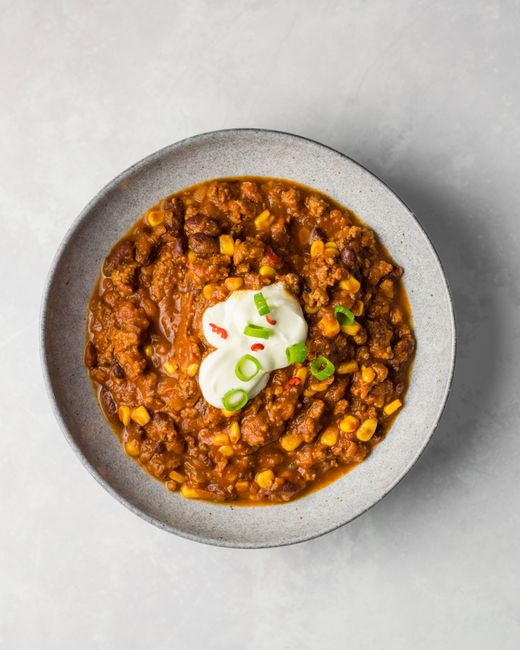
Easy Turkey and White Bean Chili: A Flavorful, Healthy, and Quick Meal
Turkey and white bean chili presents a wonderfully adaptable and deeply satisfying meal. Its inherent health benefits, driven by lean protein from turkey and fiber-rich white beans, make it a culinary champion for those seeking nutritious yet flavorful options. This chili isn’t just good for you; it’s remarkably easy to prepare, fitting seamlessly into busy weeknights or casual weekend gatherings. The foundation of this chili lies in its simple yet effective flavor profile, built upon aromatic vegetables, savory turkey, creamy white beans, and a symphony of warming spices. Unlike its heartier red bean counterparts, turkey and white bean chili offers a lighter, brighter taste that is equally comforting. The versatility of this dish allows for endless customization, ensuring it can be tailored to individual preferences and dietary needs. From the choice of white beans – cannellini, great northern, or navy – to the heat level of the chilies and the accompanying toppings, each element can be adjusted to create a truly personalized experience. This comprehensive guide will delve into the core components of making a delicious easy turkey and white bean chili, explore variations and enhancements, and offer tips for maximizing its SEO appeal, ensuring this recipe reaches a wider audience hungry for healthy, convenient, and flavorful dishes. Understanding the nuances of each ingredient and technique will empower home cooks to confidently prepare this crowd-pleasing chili time and again.
The cornerstone of any exceptional chili, including this easy turkey and white bean variation, is the quality of its ingredients. For the turkey, opting for lean ground turkey is paramount. This choice not only contributes a desirable texture but also ensures a lower fat content, aligning with the dish’s healthy profile. The fat content of ground turkey can vary, so reading labels and selecting a lean option, typically 93% lean or higher, is a wise move. Some recipes might suggest using diced turkey breast for a less processed approach, which is also a valid and delicious alternative, though it requires a slightly different cooking method to ensure tenderness. Moving onto the beans, the "white bean" designation is broad, offering flexibility. Cannellini beans, with their large, creamy texture, are a popular choice and contribute a luxurious mouthfeel to the chili. Great Northern beans, slightly smaller and with a subtle sweetness, are another excellent option. Navy beans, while smaller, still offer a satisfying creaminess. Canned beans are the most convenient for an "easy" chili, saving significant cooking time. When using canned beans, rinsing them thoroughly under cold water is a crucial step. This removes excess sodium and the somewhat metallic taste that can sometimes be present. For those with more time or a preference for whole ingredients, dried white beans can be used, but they require overnight soaking and extended simmering to achieve the desired tenderness. The aromatic base of this chili is typically built with onions, garlic, and bell peppers. Yellow or white onions provide a sweet and pungent foundation. Garlic, minced or crushed, adds depth and pungency. Bell peppers, often a combination of green and red for visual appeal and a spectrum of flavor, contribute sweetness and a slight vegetal note. The choice of chili peppers is where the heat and complex flavor truly come alive. For an easy chili, using a combination of mild and moderate heat options is recommended. Diced jalapeños, with their bright, grassy flavor and medium heat, are a common and effective choice. For a milder chili, the seeds and membranes of the jalapeños can be removed. For those seeking more heat, serrano peppers or even a pinch of cayenne pepper can be incorporated. Dried chili powders, such as ancho or chipotle, offer a smoky depth and nuanced heat that is easily incorporated. Diced tomatoes, preferably fire-roasted for an added layer of complexity and a slightly smoky flavor, form the liquid base of the chili. Canned diced tomatoes are ideal for convenience. Chicken or vegetable broth provides additional liquid and flavor. Choosing a low-sodium broth is beneficial for controlling the overall saltiness of the dish. Finally, the spice blend is what truly elevates this chili. Cumin, with its earthy warmth, is indispensable. Smoked paprika adds a smoky sweetness and a beautiful reddish hue. Oregano, with its slightly peppery and minty notes, complements the other spices. A touch of coriander can add a citrusy undertone. The balance of these spices is key to achieving a well-rounded flavor profile.
The preparation of easy turkey and white bean chili is designed for efficiency and simplicity, making it an ideal weeknight meal. Begin by heating a large pot or Dutch oven over medium-high heat. Add a tablespoon or two of olive oil or other cooking oil. Once the oil is shimmering, add the ground turkey. Break it apart with a spoon and cook until it is thoroughly browned, stirring occasionally. This browning process is essential for developing flavor and rendering out excess fat. Once the turkey is cooked, drain off any excess grease. Next, introduce the aromatics to the pot. Add the chopped onion and bell peppers to the pot with the browned turkey. Sauté these vegetables for approximately 5-7 minutes, or until they begin to soften and the onion becomes translucent. This step allows the vegetables to release their natural sweetness and permeate the turkey with their flavors. Stir in the minced garlic and cook for another minute until fragrant, being careful not to burn the garlic, as this can impart a bitter taste. Now, it’s time to build the chili’s signature flavor with spices. Add the chili powder, cumin, smoked paprika, oregano, and any other desired dried spices to the pot. Stir well and cook for about a minute, allowing the heat to bloom the spices and release their aromatic compounds. This toasting of the spices intensifies their flavor significantly. Next, incorporate the diced tomatoes, both plain and any liquid they came with. Add the rinsed and drained white beans, and the chicken or vegetable broth. Stir everything together, scraping up any browned bits from the bottom of the pot, as these bits are packed with flavor. Bring the chili to a simmer. Once simmering, reduce the heat to low, cover the pot, and let it cook for at least 30 minutes. This simmering time allows the flavors to meld and deepen. For an even richer flavor, you can simmer it for longer, up to an hour or more, as the flavors will continue to develop. During the simmering process, taste the chili and adjust seasonings as needed. You might want to add more salt, pepper, or spices to suit your preference. If the chili becomes too thick, you can add a little more broth or water to reach your desired consistency. The beauty of this chili lies in its adaptability; the cooking time can be adjusted based on your schedule. Even a shorter simmer will yield a delicious result, while longer simmering will result in a more complex and integrated flavor profile.
Elevating your easy turkey and white bean chili often comes down to thoughtful additions and garnishes. For those who enjoy a touch of heat, incorporating a diced jalapeño or serrano pepper along with the onions and bell peppers will infuse a noticeable kick. Alternatively, a pinch of cayenne pepper or a dash of hot sauce stirred in during the simmering process can provide a customizable level of spice. For a smoky depth, consider adding a chipotle pepper in adobo sauce, minced, to the pot. This single ingredient can transform the chili with its intense smoky flavor and mild heat. A tablespoon of tomato paste, sautéed with the aromatics, can also contribute to a richer, more concentrated tomato flavor and a thicker chili consistency. To introduce a subtle sweetness and complexity, a teaspoon of brown sugar or a drizzle of maple syrup can be added during the simmering phase, balancing out the savory and spicy notes. For a brighter, fresher flavor, a squeeze of lime juice stirred in just before serving can cut through the richness and add a zesty finish. When it comes to texture, some cooks prefer to mash a portion of the white beans against the side of the pot with a spoon before the chili begins to simmer. This releases starches and helps to thicken the chili naturally, creating a creamier consistency without the need for additional thickeners. For a heartier chili, consider adding other vegetables like diced zucchini, corn kernels (fresh or frozen), or even a handful of spinach wilted in during the last few minutes of cooking. Toppings are where personalization truly shines. Classic chili accompaniments like shredded cheddar cheese, a dollop of sour cream or Greek yogurt (for a healthier alternative), chopped fresh cilantro, or sliced green onions are always welcome. For a bit of crunch, consider adding crumbled tortilla chips or toasted pepitas. Avocado slices or a simple guacamole can add a creamy richness and healthy fats. A squeeze of fresh lime adds a final burst of brightness. For those looking to make it a more complete meal, serving this chili alongside warm cornbread, crusty bread, or even over a bed of rice or quinoa are excellent options. The beauty of this chili is its ability to absorb and complement a wide range of flavors, making it a blank canvas for culinary creativity. Experimenting with different spice combinations, like adding a bay leaf during simmering or a sprinkle of smoked paprika as a garnish, can further enhance the sensory experience.
The SEO potential of an easy turkey and white bean chili recipe is significant, given its widespread appeal for healthy eating, quick meal preparation, and delicious flavor. To maximize its visibility in search engine results, focusing on relevant keywords is paramount. The title itself, "Easy Turkey and White Bean Chili," is a strong starting point. Within the article, naturally incorporating variations of these keywords throughout the text is crucial. Think about search queries potential readers might use: "healthy turkey chili recipe," "quick white bean chili," "lean ground turkey chili," "low-fat chili recipe," "simple bean chili," and "best turkey chili." Using these terms in headings, subheadings, and within the body paragraphs will signal relevance to search engines. High-quality images or even a video demonstrating the preparation process can also significantly boost engagement and SEO. Optimizing image alt text with descriptive keywords like "bowl of turkey white bean chili with toppings" will further enhance searchability. For recipe-focused content, structured data markup, also known as schema markup, is essential. This tells search engines precisely what the content is about – in this case, a recipe. Implementing recipe schema will allow search engines to display rich snippets, such as cooking time, ingredients, and ratings, directly in the search results, making the recipe more appealing and clickable. Encouraging user interaction, such as comments and ratings, can also positively impact SEO as it indicates content engagement. Sharing the recipe on social media platforms with relevant hashtags like #turkeychili #whitebeans #healthyrecipes #weeknightmeals #chili can drive traffic and increase its online presence. Furthermore, providing clear, concise instructions and encouraging variations and substitutions within the recipe caters to a wider audience and increases the likelihood of the recipe being found through diverse search queries. Considering related recipe topics, such as "how to make chili from scratch," "best chili toppings," or "turkey soup recipes," and linking to them within the article can create a more comprehensive and interconnected content experience, further improving SEO by establishing topical authority. The inherent qualities of this chili – its ease, health benefits, and deliciousness – make it a prime candidate for high search rankings when presented with a well-optimized strategy.