
Diet Exercise Better Weight Loss
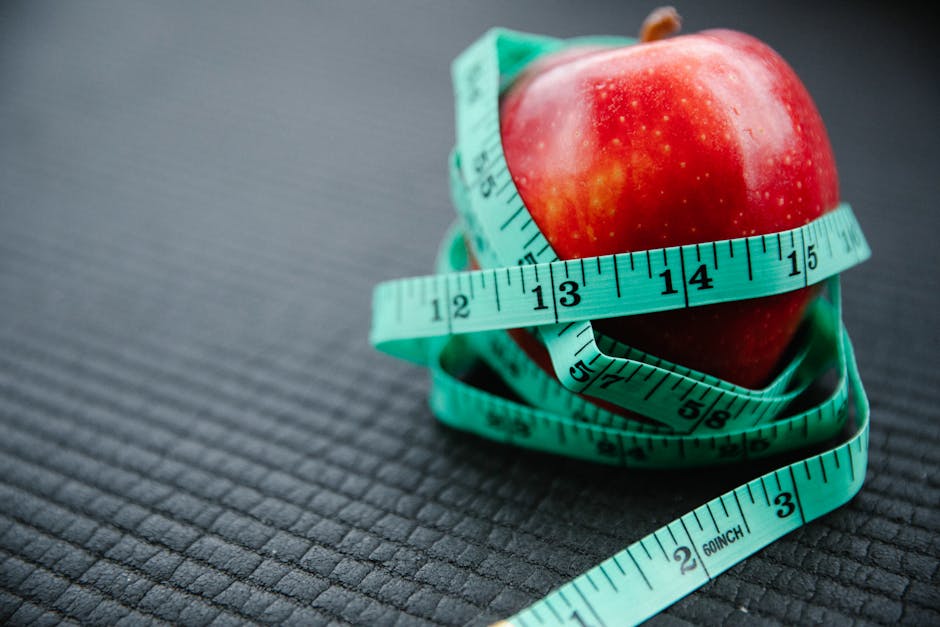
Diet and Exercise: The Pillars of Sustainable and Effective Weight Loss
Achieving significant and lasting weight loss necessitates a multifaceted approach, with diet and exercise forming the foundational pillars. While individual responses can vary, the synergistic interplay between caloric intake modification and increased physical activity is universally recognized as the most effective strategy for sustainable fat reduction and improved overall health. This article will delve deeply into the critical components of both diet and exercise, offering practical, evidence-based strategies for optimizing weight loss outcomes. Understanding the science behind these disciplines, coupled with consistent application, empowers individuals to make informed choices that lead to tangible and enduring results.
Caloric Deficit: The Cornerstone of Weight Loss
At its core, weight loss is a process driven by a caloric deficit. This means consistently consuming fewer calories than the body expends. The body, in a state of caloric deficit, is forced to tap into stored energy reserves, primarily adipose tissue (fat), to meet its metabolic demands. Understanding and implementing this principle is non-negotiable for anyone seeking to lose weight. The caloric deficit can be achieved through two primary avenues: reducing caloric intake (diet) and increasing caloric expenditure (exercise). While often presented as separate entities, their effectiveness is amplified when combined. A moderate deficit, typically between 500 and 750 calories per day, is generally recommended to facilitate a healthy weight loss of approximately one to two pounds per week. Aggressive deficits, while tempting for rapid results, can be detrimental, leading to muscle loss, nutrient deficiencies, a slowed metabolism, and an increased risk of rebound weight gain.
Nutrient-Dense Foods: Fueling for Fat Loss
The quality of calories consumed is as important as the quantity. Prioritizing nutrient-dense foods ensures the body receives essential vitamins, minerals, and macronutrients while managing overall caloric intake. This approach supports optimal bodily function, promotes satiety, and aids in metabolic processes crucial for fat burning.
-
Protein: A macronutrient essential for satiety, muscle preservation, and thermogenesis. Adequate protein intake helps individuals feel fuller for longer, reducing the likelihood of overeating. During caloric restriction, protein plays a vital role in preserving lean muscle mass, which is metabolically active and contributes to a higher resting metabolic rate. Excellent sources include lean meats, poultry, fish, eggs, dairy products, legumes, tofu, and tempeh. Aiming for 20-30% of daily calories from protein can be highly beneficial.
-
Fiber-Rich Carbohydrates: Carbohydrates are the body’s primary energy source, and choosing the right types is critical. Fiber-rich carbohydrates, such as whole grains, fruits, vegetables, and legumes, are digested slowly, leading to a gradual release of glucose into the bloodstream. This prevents sharp spikes and subsequent crashes in blood sugar, which can trigger cravings and overeating. Fiber also contributes to satiety, further aiding in appetite control. Examples include oats, quinoa, brown rice, berries, apples, broccoli, spinach, beans, and lentils. These should constitute a significant portion of the diet, ideally 40-50% of daily calories.
-
Healthy Fats: Contrary to popular belief, healthy fats are crucial for weight loss and overall health. They play a vital role in hormone production, nutrient absorption, and satiety. Monounsaturated and polyunsaturated fats are particularly beneficial. Sources include avocados, nuts, seeds, olive oil, and fatty fish (salmon, mackerel). While calorie-dense, incorporating moderate amounts of healthy fats (around 20-30% of daily calories) can enhance flavor, satisfaction, and nutrient utilization, ultimately supporting adherence to a weight loss plan.
-
Hydration: Water is fundamental for numerous bodily functions, including metabolism, nutrient transport, and waste elimination. Adequate hydration can also contribute to feelings of fullness, potentially reducing overall food intake. Aiming for at least 8-10 glasses of water per day, and more during exercise, is a simple yet powerful strategy.
Mindful Eating and Portion Control: Behavioral Strategies
Beyond macronutrient composition, adopting mindful eating practices and mastering portion control are crucial behavioral strategies for successful weight loss.
-
Mindful Eating: This involves paying full attention to the experience of eating, including the sensory aspects of food (taste, texture, smell) and the body’s internal hunger and fullness cues. By slowing down, savoring each bite, and avoiding distractions like screens, individuals can better recognize satiety signals, preventing overconsumption. It also fosters a healthier relationship with food, reducing emotional eating.
-
Portion Control: Understanding appropriate portion sizes is key to managing caloric intake. Using smaller plates, measuring food, and being aware of serving sizes on packaged goods can significantly impact calorie consumption without feeling deprived. Visual cues, such as comparing food portions to common objects (e.g., a serving of meat to a deck of cards), can also be helpful.
The Indispensable Role of Exercise in Weight Loss
While diet is paramount for creating a caloric deficit, exercise significantly amplifies weight loss efforts, offers numerous health benefits, and plays a crucial role in long-term weight management.
-
Caloric Expenditure: Exercise directly increases caloric expenditure, contributing to the overall caloric deficit required for fat loss. The number of calories burned varies based on the type, intensity, duration, and individual’s body composition. Consistent physical activity, therefore, can accelerate weight loss progress and allow for a slightly more flexible dietary approach.
-
Muscle Preservation and Growth: Resistance training, in particular, is vital for preserving and building lean muscle mass. As mentioned, muscle tissue is metabolically active, meaning it burns more calories at rest than fat tissue. This increased resting metabolic rate is a significant advantage in long-term weight management, making it easier to maintain weight loss. Incorporating strength training exercises 2-3 times per week is highly recommended.
-
Cardiovascular Health and Endurance: Aerobic exercise, such as running, swimming, cycling, or brisk walking, strengthens the cardiovascular system, improves stamina, and enhances the body’s ability to utilize oxygen efficiently. This improved cardiovascular health is a critical component of overall well-being and supports increased energy levels for daily activities and more vigorous exercise. Aiming for at least 150 minutes of moderate-intensity or 75 minutes of vigorous-intensity aerobic activity per week is recommended.
-
Metabolic Boost: Regular exercise can improve insulin sensitivity and enhance the body’s ability to regulate blood sugar levels, which is particularly beneficial for individuals with or at risk of type 2 diabetes. It also contributes to a more efficient metabolism overall, meaning the body becomes better at processing nutrients and generating energy.
-
Stress Reduction and Mood Enhancement: Exercise is a powerful stress reliever and mood enhancer due to the release of endorphins, the body’s natural mood elevators. Managing stress and improving mental well-being can reduce emotional eating and improve adherence to dietary and exercise plans.
Types of Exercise for Optimal Weight Loss:
A balanced exercise regimen incorporating both aerobic and strength training components yields the best results.
-
Aerobic Exercise (Cardio):
- Moderate-Intensity: Brisk walking, cycling at a moderate pace, swimming, dancing. These activities elevate heart rate and breathing without making it impossible to hold a conversation.
- Vigorous-Intensity: Running, HIIT (High-Intensity Interval Training), kickboxing, jumping rope. These activities significantly elevate heart rate and breathing, making conversation difficult.
- Frequency: Aim for at least 150 minutes of moderate-intensity or 75 minutes of vigorous-intensity aerobic activity per week, spread throughout the week.
-
Strength Training (Resistance Training):
- Bodyweight Exercises: Squats, lunges, push-ups, planks, crunches.
- Free Weights: Dumbbells, barbells.
- Resistance Machines: Pec deck, leg press, lat pulldown.
- Frequency: Engage in strength training exercises for all major muscle groups at least two days per week, with at least one rest day between sessions for muscle recovery.
-
High-Intensity Interval Training (HIIT): HIIT involves short bursts of very intense exercise followed by brief recovery periods. This method is highly effective for burning calories in a shorter amount of time and can lead to an “afterburn” effect, where the body continues to burn calories at an elevated rate post-workout. HIIT sessions should be performed cautiously and not every day due to their demanding nature.
Consistency and Sustainability: The Long Game
The most crucial element of any weight loss strategy, whether dietary or exercise-based, is consistency and sustainability. Fad diets and extreme exercise regimens are rarely effective in the long term. They often lead to yo-yo dieting, frustration, and eventual abandonment of healthy habits.
-
Gradual Changes: Instead of attempting to overhaul your entire lifestyle overnight, implement gradual changes to your diet and exercise routine. Small, sustainable adjustments are far more likely to become ingrained habits.
-
Find Activities You Enjoy: Whether it’s dancing, hiking, team sports, or gardening, finding physical activities that you genuinely enjoy will make it easier to stay motivated and consistent.
-
Set Realistic Goals: Overly ambitious goals can lead to disappointment. Break down larger weight loss targets into smaller, achievable milestones. Celebrate these successes to maintain motivation.
-
Listen to Your Body: Pay attention to your body’s signals. Rest when you need to, and don’t push yourself too hard, especially when starting. Overtraining can lead to injury and burnout.
-
Seek Support: Enlisting the support of friends, family, a personal trainer, or a registered dietitian can provide accountability, encouragement, and expert guidance.
Beyond Weight Loss: The Holistic Benefits
It is imperative to recognize that the benefits of a healthy diet and regular exercise extend far beyond the number on the scale. These lifestyle choices profoundly impact overall health and well-being. Improved cardiovascular health, reduced risk of chronic diseases like type 2 diabetes, certain cancers, and osteoporosis, enhanced mental health, increased energy levels, better sleep quality, and improved cognitive function are all significant outcomes of prioritizing diet and exercise. Therefore, viewing these as tools for overall vitality, rather than solely for weight loss, fosters a more sustainable and rewarding journey.
In conclusion, effective and sustainable weight loss is a direct consequence of consistently adhering to a well-balanced dietary plan that prioritizes nutrient-dense foods and creates a caloric deficit, coupled with a regular and varied exercise regimen that includes both aerobic and strength training. By understanding the underlying principles, implementing practical strategies, and focusing on long-term consistency, individuals can unlock their potential for significant and lasting fat loss, leading to a healthier, happier, and more vibrant life.
