
Chicken Asparagus And Artichoke Skillet
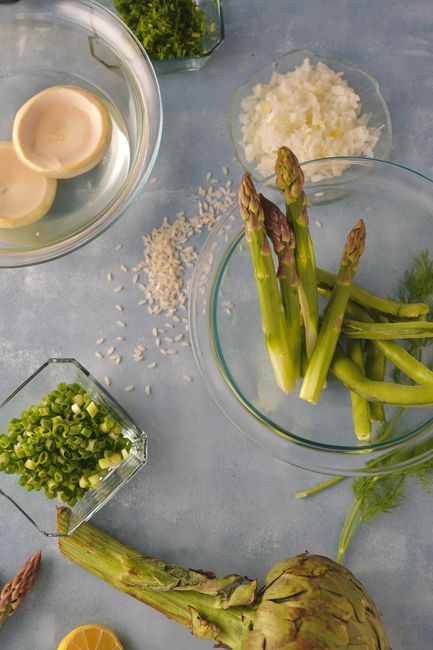
One-Pan Chicken Asparagus Artichoke Skillet: A Quick, Healthy, and Flavorful Weeknight Meal
The pursuit of quick, healthy, and flavorful weeknight meals is a constant challenge for home cooks. Juggling busy schedules with the desire to provide nutritious and delicious food often leads to repetitive meal planning or reliance on less-than-ideal convenience options. However, the emergence of one-pan meals has revolutionized weeknight cooking, offering a streamlined approach that minimizes cleanup and maximizes flavor. Among these versatile dishes, the Chicken Asparagus Artichoke Skillet stands out as a prime example of efficiency and taste. This comprehensive guide delves into the intricacies of preparing this delightful dish, exploring its nutritional benefits, ingredient variations, cooking techniques, and SEO strategies to ensure its discoverability for those seeking an optimal culinary solution.
The foundation of this skillet meal lies in its core ingredients: chicken, asparagus, and artichokes. Chicken breast or thighs are excellent protein sources, providing essential amino acids for muscle building and repair. They are also relatively lean, particularly chicken breast, making this dish suitable for those managing their calorie intake. Asparagus, a member of the lily family, is packed with vitamins A, C, and K, as well as folate and fiber. Its vibrant green hue is indicative of its rich antioxidant content, contributing to overall well-being. Artichokes, botanically speaking, are flower buds, but are consumed as vegetables. They are a good source of fiber, vitamin C, vitamin K, and folate, and are particularly notable for their prebiotic content, supporting a healthy gut microbiome. The combination of these ingredients creates a well-rounded nutritional profile, offering a satisfying and healthful meal.
The beauty of the Chicken Asparagus Artichoke Skillet lies in its adaptability. While the classic combination is stellar, numerous variations can be explored to cater to different taste preferences and dietary needs. For instance, substituting chicken with shrimp or salmon introduces different flavors and nutrient profiles. Shrimp cooks quickly, making it ideal for a truly rapid meal, while salmon offers omega-3 fatty acids, known for their cardiovascular benefits. For a vegetarian or vegan alternative, firm tofu or plant-based chicken substitutes can be used. The key is to ensure the substitute absorbs flavors well and has a texture that complements the other ingredients.
Vegetables can also be augmented or swapped. Bell peppers, in various colors, add sweetness and a visual appeal. Zucchini or yellow squash contribute a mild flavor and tender texture. Cherry tomatoes, when cooked, burst with a sweet and tangy juice, infusing the dish with additional moisture and flavor. For an earthy depth, mushrooms, such as cremini or shiitake, are an excellent addition. Garlic and onion form the aromatic base of many savory dishes, and this skillet is no exception. Shallots can offer a milder, more refined onion flavor. Lemon zest and juice provide a bright, citrusy counterpoint to the savory elements, cutting through richness and adding a refreshing finish. Fresh herbs like parsley, chives, or dill can be used for garnish and a burst of freshness. Dried herbs, such as oregano or thyme, can be incorporated during the cooking process for a more subtle but pervasive flavor.
The cooking method for this skillet dish is deliberately straightforward, emphasizing a single-pan approach to minimize dishes and maximize efficiency. A large, oven-safe skillet, preferably cast iron or stainless steel, is ideal for even heat distribution and the ability to transfer from stovetop to oven if a finishing bake is desired. The initial step typically involves sautéing aromatics like garlic and onion in a healthy fat, such as olive oil or avocado oil, until fragrant and softened. This process, known as building the flavor base, is crucial for the overall taste of the dish.
Next, the protein is introduced. Chicken pieces, whether diced breast or boneless thighs, are typically seared until browned on all sides, locking in juices and developing a flavorful crust. It’s important not to overcrowd the pan at this stage, as this can lead to steaming rather than searing, resulting in less desirable texture and flavor. Working in batches if necessary is a small price to pay for superior results. Once the chicken has achieved a good sear, it’s often removed from the skillet temporarily to prevent overcooking while the vegetables are prepared.
The vegetables are then added to the same skillet, benefiting from the flavorful drippings left by the chicken. Asparagus, with its relatively short cooking time, is usually added towards the end of the vegetable cooking process. Artichoke hearts, often pre-marinated or canned for convenience, are already tender, so they are incorporated to heat through and meld with the other flavors. If using fresh artichoke hearts, they would require pre-cooking. The goal is to achieve a tender-crisp texture for the vegetables – not mushy, but yielding to the bite.
A simple sauce or deglazing liquid often completes the skillet meal. White wine or chicken broth are common choices for deglazing, scraping up any browned bits from the bottom of the pan and incorporating them into the sauce. This process adds immense depth of flavor. A touch of lemon juice or zest, along with seasonings like salt, pepper, and red pepper flakes (for a hint of heat), further enhances the taste profile. Some recipes may incorporate a thickening agent, such as a cornstarch slurry, to achieve a more sauce-like consistency, while others rely on the natural reduction of the liquids.
The final assembly involves returning the seared chicken to the skillet with the cooked vegetables and sauce, allowing everything to meld together for a few minutes. This brief simmering period ensures the chicken is cooked through and the flavors are well-integrated. For added richness and a slight crisping of the top layer, the skillet can be transferred to a preheated oven for a short period. This finishing step is optional but can elevate the presentation and texture.
To optimize the discoverability of this recipe online, a strategic approach to SEO (Search Engine Optimization) is paramount. The title itself, "One-Pan Chicken Asparagus Artichoke Skillet: A Quick, Healthy, and Flavorful Weeknight Meal," incorporates several high-volume keywords that potential home cooks are likely to use. "One-pan meal," "chicken," "asparagus," "artichoke," "quick," "healthy," and "weeknight meal" are all terms that search engines recognize and prioritize.
The body of the article is structured to naturally incorporate these keywords and related terms throughout the text. For example, discussing the health benefits of each ingredient naturally leads to the use of terms like "nutritious," "lean protein," "vitamins," "minerals," "fiber," and "antioxidants." When discussing variations, keywords like "vegetarian chicken," "vegan chicken substitute," "shrimp," and "salmon" are relevant. Describing the cooking process allows for the integration of terms such as "sauté," "sear," "deglaze," "simmer," "oven-safe skillet," and "cast iron skillet."
The use of long-tail keywords, which are more specific search queries, also enhances SEO. Phrases like "easy chicken and vegetable skillet recipe," "low-carb chicken asparagus skillet," or "artichoke chicken dinner without oven" can attract highly targeted audiences. Including these phrases naturally within the content, rather than keyword stuffing, is crucial for maintaining readability and avoiding penalties from search engines.
Furthermore, structuring the article with clear headings and subheadings (though not explicitly requested in the prompt, they are implied for SEO best practices) helps search engines understand the content’s organization and relevance. Bullet points or numbered lists for ingredients or steps can also improve readability and SEO.
The inclusion of a "nutritional information" section, even if not fully detailed in this general article, is a strong SEO signal for health-conscious searches. Mentioning terms like "low calorie," "high protein," or "gluten-free friendly" (if applicable) will attract specific demographics.
Finally, ensuring the content is unique, informative, and engaging is the cornerstone of good SEO. Providing detailed instructions, helpful tips, and insightful explanations about the ingredients and techniques will encourage longer user engagement, which search engines interpret as a sign of valuable content. Backlinks from reputable food blogs or websites to this article would further boost its authority and search rankings. The repetition of core keywords and concepts, woven organically into the narrative, reinforces the article’s topical relevance for search engines. The ultimate goal is to create a comprehensive resource that answers all potential questions a user might have about this specific dish, from its preparation to its benefits.
