
The Pros And Cons Of Excess Skin Surgery
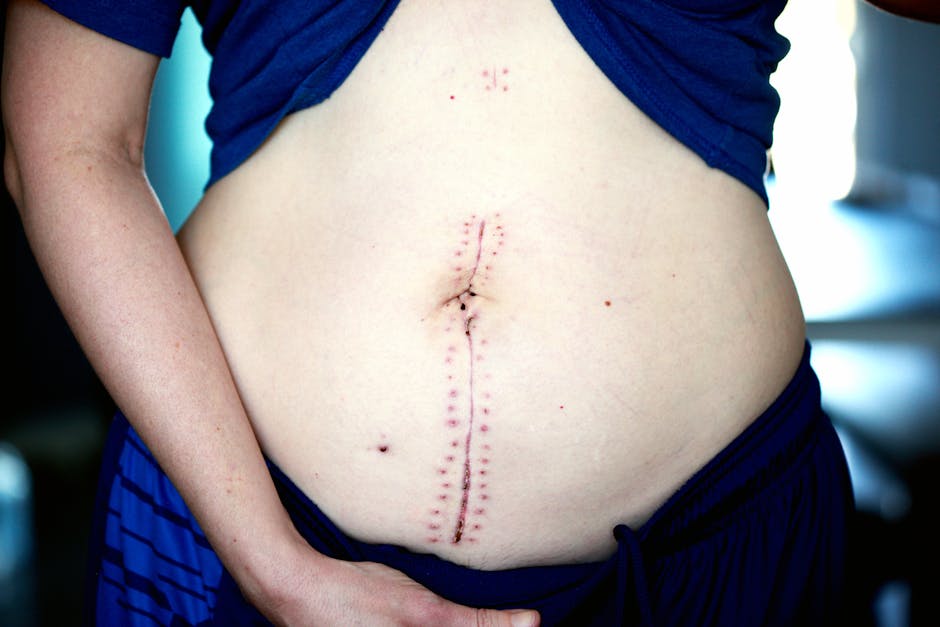
Excess Skin Surgery: Pros and Cons of Body Contouring Procedures
Excess skin, often a consequence of significant weight loss, aging, or pregnancy, can lead to physical discomfort, reduced mobility, and a negative impact on self-esteem. Excess skin surgery, also known as body contouring or reconstructive surgery, aims to address these issues by removing and tightening sagging skin, restoring a more toned and aesthetically pleasing physique. This comprehensive overview delves into the advantages and disadvantages of these procedures, providing essential information for individuals considering them.
Pros of Excess Skin Surgery
The primary benefits of excess skin surgery are multifaceted, encompassing improvements in physical well-being, functional capacity, and psychological health.
-
Improved Physical Comfort and Hygiene: One of the most significant advantages of removing excess skin is the alleviation of physical discomfort. Large skin folds can trap moisture, leading to fungal infections, rashes, and unpleasant odors. This is particularly problematic in areas like the abdomen, inner thighs, and underarms. Surgical removal eliminates these problematic areas, promoting better hygiene and reducing the risk of skin irritation and infection. For individuals who have lost substantial weight, the sheer volume of excess skin can cause chafing, rubbing, and pain, especially during physical activity. Excess skin surgery rectifies this, enabling a more comfortable and active lifestyle.
-
Enhanced Mobility and Physical Activity: Sagging skin, especially on the abdomen and thighs, can impede movement. It can hang down, restrict stride length, and cause a feeling of being weighed down. This limitation can discourage individuals from engaging in physical activities they might otherwise enjoy, further contributing to a sedentary lifestyle and potential weight re-gain. By removing this excess tissue, patients often experience a noticeable improvement in their mobility. They can walk more freely, run with greater ease, and participate in a wider range of exercises, ultimately supporting their long-term health and fitness goals. The feeling of lightness and freedom of movement is a frequently cited benefit.
-
Improved Body Image and Self-Esteem: For many, excess skin represents a visible reminder of past weight or a natural consequence of aging that detracts from their perceived attractiveness. The psychological impact of this can be profound, leading to feelings of embarrassment, insecurity, and a reluctance to participate in social activities or wear certain clothing. Excess skin surgery can dramatically improve body image by creating a more proportional and aesthetically pleasing silhouette. The restoration of a smoother, more toned appearance can lead to a significant boost in self-confidence and self-esteem. Patients often report feeling more comfortable in their own skin, more inclined to engage in social situations, and generally happier with their appearance. This psychological transformation is a powerful driver for individuals seeking these procedures.
-
Restoration of Proportionality and Aesthetics: Significant weight loss, while a remarkable achievement, can leave behind a body that feels disproportionate and out of balance due to excess skin. The curves and contours that were once present can be obscured by sagging tissue. Excess skin surgery allows for the reshaping and redefinition of the body. Procedures like abdominoplasty (tummy tuck), brachioplasty (arm lift), and thigh lift can restore a more natural and harmonious body shape. This not only enhances appearance but can also lead to a renewed sense of personal satisfaction and pride in one’s physical form. The goal is to align the external appearance with the internal achievement of health and fitness.
-
Correction of Post-Pregnancy Changes: Pregnancy can significantly alter a woman’s body, often resulting in stretched abdominal muscles and excess skin on the abdomen. This can lead to a "mommy makeover," a combination of procedures including abdominoplasty, breast augmentation or lift, and liposuction, to address these changes. Excess skin surgery plays a crucial role in restoring the pre-pregnancy physique or achieving a desired post-pregnancy aesthetic. It can address diastasis recti (separation of abdominal muscles) and remove the skin that no longer retracts, leading to a flatter, firmer abdomen.
-
Potential for Increased Clothing Options: The presence of excess skin can limit clothing choices, forcing individuals to opt for looser, less flattering garments to conceal problem areas. After successful excess skin surgery, patients often find themselves able to wear a wider variety of clothing styles, from fitted dresses and swimsuits to more form-fitting tops and pants. This increased sartorial freedom can be a welcome and empowering outcome, allowing individuals to express their personal style more fully.
Cons of Excess Skin Surgery
Despite the significant benefits, excess skin surgery is a major medical undertaking with inherent risks, costs, and recovery considerations.
-
Surgical Risks and Complications: As with any surgical procedure, excess skin surgery carries inherent risks. These can include infection, bleeding, blood clots (deep vein thrombosis), adverse reactions to anesthesia, and poor wound healing. Specific to these procedures are risks of seroma (fluid accumulation), hematoma (blood collection), and keloid or hypertrophic scarring. Numbness or altered sensation in the treated areas can also occur, and in some cases, may be permanent. Nerve damage, though rare, is also a possibility. Thorough pre-operative assessment and careful post-operative care are crucial to mitigate these risks.
-
Scarring: All surgical procedures that involve cutting and removing tissue will result in scars. The appearance of these scars can vary greatly depending on individual healing capabilities, surgical technique, and post-operative care. While plastic surgeons strive to place incisions in discreet locations (e.g., along natural body lines or within clothing lines), prominent or noticeable scarring is a reality for many patients. Some individuals may develop hypertrophic or keloid scars, which are raised, thickened, and sometimes itchy. Revision scar treatments may be necessary in some cases, adding to the overall cost and treatment duration.
-
Pain and Discomfort: Post-operative pain and discomfort are expected after excess skin surgery. The intensity and duration of this pain will vary depending on the extent of the procedure and individual pain tolerance. Patients will typically require pain medication for several weeks. Swelling and bruising are also common and can persist for months. This period of discomfort and physical limitation requires a significant adjustment and commitment to the recovery process.
-
Extensive Recovery Period: Excess skin surgery is not a quick fix; it demands a substantial recovery period. This can range from several weeks to several months, during which patients will need to limit their physical activity, avoid strenuous exercise, and follow specific post-operative instructions. This can impact work, social life, and daily routines. Full recovery, meaning the complete resolution of swelling and the ability to resume all normal activities, can take up to a year. Returning to strenuous exercise too soon can compromise surgical results and increase the risk of complications.
-
High Cost: Excess skin surgery is generally considered an elective cosmetic procedure and is therefore often not covered by health insurance. The cost can be substantial, varying widely depending on the geographical location, the surgeon’s expertise, the complexity of the procedures, and the number of areas being treated. A single procedure can cost thousands of dollars, and multiple procedures can significantly increase the overall investment. This financial commitment is a major consideration for many individuals.
-
Potential for Unsatisfactory Results or Need for Revision Surgery: While surgeons aim for optimal results, there is always a possibility of the outcome not meeting a patient’s expectations. This can be due to factors such as individual healing, unforeseen complications, or subjective aesthetic preferences. Asymmetry, contour irregularities, or persistent sagging in specific areas can occur. In such cases, revision surgery may be necessary, leading to additional costs, recovery time, and risks. It is crucial to have realistic expectations and to thoroughly vet and communicate with your surgeon about your desired outcomes.
-
Swelling and Bruising: Significant swelling and bruising are almost always present after excess skin surgery and can take a considerable amount of time to subside. While the initial dramatic results may be visible, the final outcome is often obscured by this post-operative inflammation. Compression garments are essential for managing swelling and supporting the healing tissues, but they can be uncomfortable to wear continuously for weeks or months.
-
Changes in Sensation: Altered sensation, including numbness or increased sensitivity, in the treated areas is a common occurrence after excess skin surgery. While sensation often returns to normal over time, in some cases, it may be permanently diminished or altered. This can affect the experience of touch and may be a source of concern for some individuals.
-
Risk of Infection: Like any surgery, there is a risk of infection at the incision sites. Surgeons take extensive measures to minimize this risk through sterile techniques and pre- and post-operative antibiotic use. However, if an infection does occur, it can require aggressive treatment, including further surgery and extended recovery.
-
Emotional and Psychological Adjustment: While many experience a significant boost in self-esteem, the process of undergoing and recovering from major surgery can also be emotionally taxing. Patients may experience anxiety, depression, or body image concerns during the recovery period, especially if they are dealing with pain, swelling, and a prolonged absence from their normal routines. Support from friends, family, and potentially a mental health professional can be invaluable.
Conclusion
Excess skin surgery offers a transformative solution for individuals struggling with the physical and psychological burdens of sagging skin. The benefits of improved comfort, mobility, and self-esteem can be life-changing. However, these procedures are major surgical interventions with inherent risks, significant costs, and demanding recovery periods. A thorough understanding of both the pros and cons, coupled with realistic expectations and a comprehensive consultation with a board-certified plastic surgeon, is essential for making an informed decision about whether excess skin surgery is the right choice. Weighing these factors carefully will allow individuals to approach this journey with a clear understanding of what to expect and to optimize their chances of a successful and positive outcome.
