
Veggie Korean Bibimbap Recipe
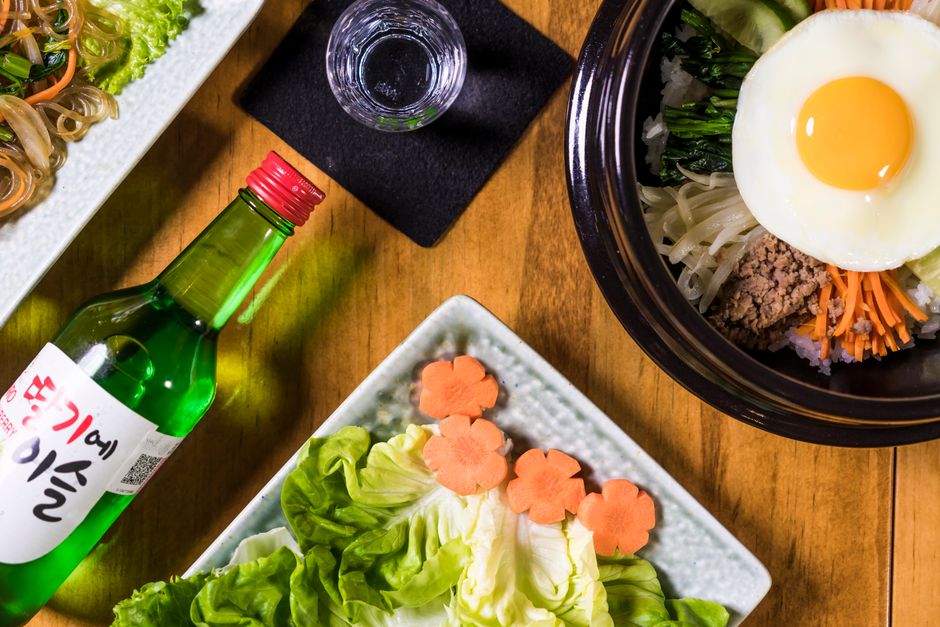
Veggie Korean Bibimbap Recipe: A Flavorful & Healthy Korean Classic
Bibimbap, a cornerstone of Korean cuisine, translates literally to "mixed rice." This vibrant dish is a symphony of textures and flavors, traditionally featuring seasoned rice, an array of colorful vegetable toppings, a savory sauce, and often a fried egg. While beef is a common protein, this comprehensive guide focuses on a delicious and satisfying veggie Korean bibimbap recipe, perfect for vegetarians, vegans (with minor adjustments), or anyone seeking a lighter yet deeply flavorful meal. Mastering bibimbap is less about precise measurements and more about understanding the components and how they harmonize. This recipe emphasizes fresh, seasonal ingredients and offers flexibility, allowing you to adapt it to your pantry and preferences. The beauty of bibimbap lies in its adaptability, making it a recurring favorite that never feels repetitive.
The Foundation: Perfectly Cooked Rice
The base of any great bibimbap is perfectly cooked rice. For this veggie recipe, medium-grain white rice (often labeled "sushi rice") is ideal due to its slightly sticky texture, which helps bind the toppings. Short-grain white rice is also a good option. Brown rice or mixed grain rice can be used for a healthier, nuttier flavor profile, though they will require slightly more water and a longer cooking time.
To cook your rice:
- Rinse thoroughly: Measure your desired amount of rice (e.g., 2 cups). Place it in a bowl and cover with cold water. Swirl the rice with your hand, then drain the cloudy water. Repeat this rinsing process 3-5 times, or until the water runs mostly clear. This removes excess starch, preventing mushy rice.
- Soak (optional but recommended): After rinsing, drain the rice well and let it sit for 15-30 minutes. This allows the grains to absorb moisture evenly, resulting in a fluffier texture.
- Cook: Transfer the soaked rice to a rice cooker or a heavy-bottomed pot. Add the appropriate amount of fresh water. A general rule of thumb for white rice is a 1:1 ratio of rice to water (e.g., 2 cups rice to 2 cups water). For brown rice, use a 1:1.5 or 1:2 ratio and increase cooking time. Follow your rice cooker’s instructions or, if using a pot, bring the water to a boil over medium-high heat. Once boiling, reduce the heat to the lowest setting, cover tightly with a lid, and simmer for 15-20 minutes (for white rice) or 40-50 minutes (for brown rice), or until all the water is absorbed.
- Rest: Once cooked, remove the pot from the heat and let it steam, covered, for another 10-15 minutes. This crucial step allows the steam to redistribute, ensuring every grain is perfectly cooked and fluffy. Fluff the rice gently with a rice paddle or fork before serving.
The Colorful Array: Vegetable Preparations (Namul)
The soul of veggie bibimbap lies in its vibrant assortment of seasoned vegetables, known as namul. Each vegetable is typically prepared separately to maintain its distinct flavor and texture. The key is to lightly cook or blanch each vegetable and then season it with a simple dressing, usually comprising sesame oil, garlic, and a pinch of salt.
Here are essential namul components for a classic veggie bibimbap:
-
Spinach (Sigeumchi Namul):
- Preparation: Wash 10-12 ounces of fresh spinach thoroughly. Bring a pot of water to a boil. Blanch the spinach for 30-60 seconds, just until wilted. Immediately drain and rinse under cold water to stop the cooking process and preserve its bright green color. Squeeze out as much excess water as possible.
- Seasoning: In a bowl, combine the blanched spinach with 1 teaspoon minced garlic, 1 teaspoon toasted sesame oil, and a pinch of salt to taste. Gently toss to coat evenly.
-
Carrots (Danggeun Bokkeum):
- Preparation: Peel and julienne (cut into thin matchsticks) about 1-2 medium carrots. Heat 1 teaspoon of neutral oil (like vegetable or canola) in a skillet over medium-high heat. Add the julienned carrots and stir-fry for 2-3 minutes until they are slightly tender but still have a slight bite.
- Seasoning: Remove from heat and toss with a pinch of salt. Some recipes also include a tiny pinch of sugar for balance, but it’s optional.
-
Zucchini (Hobak Bokkeum):
- Preparation: Wash and trim the ends of 1 medium zucchini. Julienne it into thin matchsticks. Heat 1 teaspoon of neutral oil in a skillet over medium-high heat. Add the julienned zucchini and stir-fry for 1-2 minutes until slightly softened but not mushy.
- Seasoning: Remove from heat and season with a pinch of salt.
-
Bean Sprouts (Kongnamul Muchim):
- Preparation: Rinse 8-10 ounces of fresh soybean sprouts. In a pot, combine the sprouts with about 1/2 cup of water. Bring to a boil, then reduce heat, cover, and steam for 5-7 minutes, or until tender but still slightly crisp. Drain any excess water.
- Seasoning: In a bowl, combine the steamed bean sprouts with 1 teaspoon minced garlic, 1 teaspoon toasted sesame oil, and a pinch of salt to taste. Gently toss.
-
Shiitake Mushrooms (Pyogo Beoseot Bokkeum):
- Preparation: If using dried shiitake mushrooms, rehydrate them by soaking in warm water for at least 30 minutes, or until softened. Squeeze out excess water and discard the stems. Slice the caps thinly. If using fresh shiitake mushrooms, simply clean and slice them. Heat 1 teaspoon of neutral oil in a skillet over medium-high heat. Add the sliced mushrooms and sauté until tender and slightly browned, about 3-5 minutes.
- Seasoning: Season with a pinch of salt and optionally, a tiny splash of soy sauce or tamari for deeper umami.
-
Radish (Mu Saengchae – Optional but Recommended for a Tangy Element):
- Preparation: Peel and julienne 1/2 medium daikon radish or Korean radish. In a bowl, combine the julienned radish with 1/2 teaspoon salt and let it sit for 10 minutes to draw out moisture. Squeeze out excess water.
- Seasoning: Toss the radish with 1/2 teaspoon gochugaru (Korean chili flakes – adjust to spice preference), 1/2 teaspoon rice vinegar, 1/2 teaspoon sugar, and 1/2 teaspoon toasted sesame oil. Mix well.
Additional Vegetable Options (for Variety):
- Fernbrake (Gosari Namul): Often available dried and needs rehydration and simmering. Seasoned similarly to spinach.
- Cucumber (Oyi Muchim): Thinly sliced and lightly salted, then rinsed and dressed with sesame oil, garlic, and vinegar.
- Bell Peppers: Thinly sliced and stir-fried.
- Eggplant: Sliced and pan-fried or steamed, then seasoned.
The Binding Agent: Bibimbap Sauce (Gochujang-Based)
The gochujang-based sauce is what truly brings all the components of bibimbap together. It provides a sweet, savory, and spicy kick that is quintessential to the dish.
Classic Bibimbap Sauce Recipe:
-
Ingredients:
- 2 tablespoons gochujang (Korean chili paste)
- 1 tablespoon toasted sesame oil
- 1 tablespoon honey or maple syrup (for vegan)
- 1 tablespoon rice vinegar
- 1 teaspoon minced garlic
- 1 teaspoon soy sauce or tamari (for gluten-free)
- 1/2 teaspoon toasted sesame seeds
- 1-2 tablespoons water (to adjust consistency)
-
Instructions: In a small bowl, whisk together all ingredients until well combined and smooth. If the sauce is too thick, add water, 1 tablespoon at a time, until it reaches your desired drizzling consistency. Taste and adjust seasonings as needed – you might prefer it sweeter, spicier, or tangier.
The Crown Jewel: The Egg (Optional, but Traditional)
A perfectly fried egg, with a runny yolk, is a classic topping for bibimbap. The rich yolk acts as a creamy sauce, further enhancing the dish.
- Preparation: Heat 1 teaspoon of neutral oil in a non-stick skillet over medium heat. Crack an egg into the skillet. Cook to your preference: sunny-side up with a runny yolk is traditional, but over-easy or even a firm yolk works.
- Vegan Alternative: For a vegan bibimbap, skip the egg. You can add pan-fried firm or extra-firm tofu, seasoned and crumbled, or a sprinkle of toasted nori flakes for extra flavor.
Assembling Your Veggie Bibimbap
The beauty of bibimbap is in the presentation and the act of mixing.
- Rice Base: Ladle a generous portion of the hot, fluffed rice into a large, shallow bowl.
- Artful Arrangement: Arrange the prepared namul (vegetables) and any other toppings artfully around the perimeter of the rice, creating distinct sections of color. Think of it as painting a edible masterpiece.
- The Centerpiece: Gently place the fried egg (if using) in the center of the bowl.
- The Drizzle: Spoon a generous amount of the bibimbap sauce over the entire dish. Start with a tablespoon or two and add more to taste.
- The Grand Finale: Sprinkle with toasted sesame seeds and thinly sliced green onions or chives for garnish.
The Ritual: Mixing and Enjoying
The true bibimbap experience involves the ritual of mixing. Before you take your first bite, use your spoon to vigorously mix all the ingredients together, breaking the egg yolk and ensuring the sauce coats every grain of rice and piece of vegetable. This act of mixing allows the flavors and textures to meld into a harmonious and delicious whole.
SEO Optimization Considerations:
- Keywords: Throughout the article, use variations of "veggie Korean bibimbap recipe," "vegetarian bibimbap," "how to make bibimbap," "Korean mixed rice," "namul recipe," "gochujang sauce recipe," and "healthy Korean food."
- Headings and Subheadings: Utilize clear headings and subheadings (like those used above) to break up the text and make it scannable. This helps search engines understand the content structure.
- Image Alt Text: If you were to include images, ensure they have descriptive alt text that incorporates relevant keywords (e.g., "Colorful arrangement of vegetables for vegetarian bibimbap").
- Internal/External Linking: Link to other relevant recipes or articles on Korean cuisine (internal links) or authoritative sources about Korean food (external links).
- Meta Description: Craft a concise and compelling meta description that summarizes the article and includes primary keywords.
- Word Count: The target of 1200+ words ensures comprehensive coverage, which search engines often favor for in-depth content.
- Structured Data (Schema Markup): For a recipe, implementing schema markup for recipes would be highly beneficial for search visibility. This tells search engines that your content is a recipe and helps it appear in rich snippets.
Variations and Customizations:
- Spiciness: Adjust the amount of gochujang and gochugaru to control the heat level. For a milder version, use less gochujang or a sweet chili paste.
- Sweetness: Modify the honey or maple syrup to achieve your preferred sweetness in the sauce.
- Umami Boost: For a deeper savory flavor, consider adding a small amount of fermented soybean paste (doenjang) to the vegetable seasonings or sauce.
- Texture: Experiment with different vegetables and their cooking methods to achieve a variety of textures. Crispy elements like pan-fried seaweed or a sprinkle of roasted nuts can add another dimension.
- Serving Style: While traditionally served in individual bowls, bibimbap can also be assembled in a large platter for family-style dining. For an even more immersive experience, consider serving it in a hot stone pot (dolsot bibimbap), which creates a delightful crispy rice bottom layer.
By following this detailed guide, you can recreate a delicious and authentic veggie Korean bibimbap at home. The process encourages mindfulness and appreciation for the individual ingredients, culminating in a deeply satisfying and visually stunning meal. This recipe is more than just a dish; it’s an introduction to the rich culinary heritage of Korea.
