
15 Delicious Breakfast For Dinner Dishes Under 400 Calories
15 Delicious Breakfast for Dinner Recipes Under 400 Calories: Your Guide to Lighter Evening Indulgence
The concept of "breakfast for dinner" has long been a beloved culinary comfort, offering a delightful departure from traditional evening meals. However, the perception of breakfast foods often leans towards the indulgent and calorie-laden. This article presents a curated list of 15 incredibly satisfying and flavorful breakfast dishes that can be enjoyed for dinner, all while staying under a healthy 400-calorie mark per serving. These recipes are designed to be accessible, adaptable, and most importantly, delicious, proving that lighter fare can be incredibly fulfilling. From savory egg preparations to lighter takes on sweet favorites, you’ll discover a range of options to satisfy any craving without compromising your dietary goals. We’ll delve into the nutritional aspects, offer tips for preparation, and highlight the key ingredients that make each dish a winner for a guilt-free evening meal. This collection aims to empower home cooks to embrace the joy of breakfast for dinner with a focus on health and taste, providing a wealth of ideas that are both practical and appealing to a broad audience searching for "light dinner ideas," "healthy breakfast for dinner," "low calorie meals," and "easy weeknight dinners."
1. Spinach and Feta Egg White Scramble (Approx. 250 Calories)
This protein-packed scramble is a testament to how simple ingredients can create a powerful and flavorful dish. Utilizing egg whites significantly reduces the calorie and fat content while maintaining a satisfying texture and high protein count. The vibrant spinach offers essential vitamins and minerals like iron and vitamin K, while the feta cheese, used sparingly, provides a salty tang that elevates the overall flavor profile. To prepare, sauté a generous handful of fresh spinach in a non-stick pan with a tablespoon of water or a spritz of cooking spray until wilted. Whisk together 4-5 egg whites with a pinch of salt and pepper. Pour the egg whites over the spinach and cook, stirring gently, until scrambled and cooked through. Crumble about 1 ounce of feta cheese over the scramble in the last minute of cooking. This dish is incredibly versatile; consider adding diced bell peppers or mushrooms for added volume and nutrients. The fiber from the vegetables and the protein from the egg whites contribute to satiety, making it an ideal choice for a lighter dinner. For SEO purposes, this dish caters to searches like "low calorie egg breakfast," "protein-rich dinner," and "quick healthy meals."
2. Smoked Salmon and Avocado Toast (Approx. 350 Calories)
A sophisticated yet simple option, smoked salmon and avocado toast offers a balance of healthy fats, protein, and complex carbohydrates. The key to keeping this under 400 calories lies in mindful portioning of the avocado and choosing whole-grain bread. Use one slice of sturdy whole-grain bread, lightly toasted. Mash half a small avocado with a fork and spread it evenly over the toast. Top with 2-3 ounces of high-quality smoked salmon. A squeeze of fresh lemon juice and a sprinkle of fresh dill or chives will brighten the flavors. This dish is rich in omega-3 fatty acids from the salmon, beneficial for heart and brain health, and monounsaturated fats from the avocado, which can aid in satiety. The whole-grain toast provides a good source of fiber. To further reduce calories, consider using a thin slice of whole-grain sourdough or a rice cake as the base. This recipe is perfect for those looking for "healthy toast recipes," "omega-3 rich meals," and "quick dinners under 400 calories."
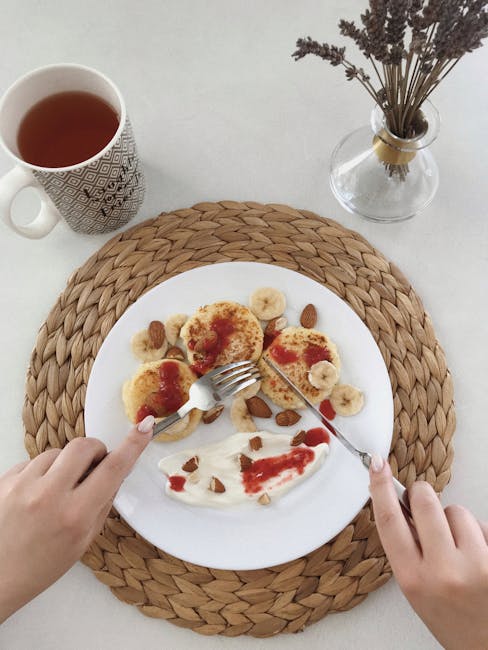
3. Cottage Cheese Pancakes with Berries (Approx. 300 Calories)
A healthier rendition of a breakfast classic, these cottage cheese pancakes are surprisingly light and fluffy. The cottage cheese adds protein and moisture, allowing for a pancake that is both satisfying and lower in fat than traditional recipes. For the batter, blend 1/2 cup of low-fat cottage cheese with 1 large egg and 1 tablespoon of whole-wheat flour until smooth. Add a touch of vanilla extract and a pinch of cinnamon. Cook small pancakes on a lightly greased non-stick griddle until golden brown on both sides. Serve with a generous cup of fresh mixed berries. Berries are low in calories and packed with antioxidants and fiber, making them an excellent accompaniment. This recipe offers a delightful sweet option for those seeking "healthy pancake recipes," "high protein breakfast for dinner," and "light dessert ideas."
4. Turkey Sausage and Veggie Breakfast Bowl (Approx. 350 Calories)
This hearty and customizable bowl combines lean protein with a medley of colorful vegetables, offering a balanced and nutrient-dense meal. Start by cooking 3-4 ounces of lean turkey sausage, crumbled. In the same pan, stir-fry your favorite vegetables, such as broccoli florets, diced bell peppers, onions, and zucchini, until tender-crisp. For the base, use a small portion of cooked quinoa or brown rice (about 1/2 cup). Combine the cooked turkey sausage and vegetables with the grain base. A drizzle of a light vinaigrette or a dollop of plain Greek yogurt can add moisture and flavor. This bowl is an excellent source of lean protein, fiber, and a wide array of vitamins and minerals. It’s a fantastic option for those searching for "healthy grain bowls," "lean protein dinners," and "vegetable-rich meals."
5. Shakshuka with Whole Wheat Pita (Approx. 380 Calories)
Shakshuka, a Middle Eastern and North African dish, is a flavorful and satisfying way to enjoy eggs with vegetables. This version is designed to be light and filling. Start by sautéing diced onions and bell peppers in a non-stick skillet with a touch of olive oil. Add minced garlic, cumin, paprika, and a pinch of chili flakes. Pour in a can of no-salt-added diced tomatoes and simmer until slightly thickened. Create wells in the sauce and crack 2 large eggs into them. Cover and cook until the egg whites are set and the yolks are still runny. Serve with one small whole-wheat pita bread, warmed. The tomatoes provide lycopene, an antioxidant, and the eggs offer complete protein. The whole-wheat pita adds complex carbohydrates and fiber. This recipe is perfect for those searching for "flavorful egg dinners," "healthy vegetarian dinners," and "Mediterranean inspired meals."
6. Zucchini Noodles with Pesto and Cherry Tomatoes (Approx. 320 Calories)
This light and refreshing dish swaps traditional pasta for spiralized zucchini, dramatically reducing the calorie and carbohydrate count while providing a satisfying crunch. Use two medium zucchini, spiralized. In a pan, gently sauté a tablespoon of pine nuts and then set aside. In the same pan, add a tablespoon of olive oil and sauté minced garlic until fragrant. Add a cup of halved cherry tomatoes and cook until they begin to soften. Add the spiralized zucchini noodles and toss for just 1-2 minutes until slightly tender but still firm. Stir in 2 tablespoons of pesto and the toasted pine nuts. This dish is rich in vitamins from the zucchini and tomatoes, and the pesto provides healthy fats. For a protein boost, consider adding a few ounces of grilled shrimp or chicken breast. This is an excellent choice for those looking for "low carb pasta alternatives," "healthy vegetarian recipes," and "quick and easy dinners."
7. Mini Frittatas with Spinach and Mushroom (Approx. 280 Calories for 2)
Mini frittatas are a fantastic make-ahead option and perfect for portion control. They are incredibly versatile and can be customized with your favorite vegetables and lean proteins. For this recipe, whisk together 6 large eggs with 1/4 cup of milk, salt, and pepper. Sauté chopped mushrooms and a handful of spinach until softened. Divide the vegetable mixture among 12 mini muffin cups that have been lightly greased or lined with silicone liners. Pour the egg mixture over the vegetables, filling each cup about two-thirds full. Bake at 350°F (175°C) for 20-25 minutes, or until set and lightly golden. Two mini frittatas make a satisfying serving. These are packed with protein and nutrients from the eggs and vegetables. They are ideal for searches like "make ahead breakfast for dinner," "low calorie egg muffins," and "healthy grab and go meals."
8. Lemony Asparagus and Smoked Tofu Omelette (Approx. 300 Calories)
This sophisticated omelette offers a plant-based protein option that is both delicious and satisfying. Use 2 large eggs and 1/4 cup of firm or extra-firm tofu, crumbled and seasoned with a pinch of turmeric for color and a hint of smoked paprika. Sauté a bunch of fresh asparagus spears, cut into bite-sized pieces, until tender-crisp. Add the crumbled smoked tofu to the pan and cook for a few minutes until slightly browned. Pour the whisked eggs over the asparagus and tofu. Cook until the omelette is set, then fold in half. A squeeze of fresh lemon juice before serving adds a bright, zesty flavor. This dish is rich in protein from both the eggs and tofu, and asparagus provides folate and vitamins A, C, and K. It’s a great option for those seeking "vegan breakfast for dinner," "protein rich omelette," and "healthy plant based meals."
9. Sweet Potato and Black Bean Hash (Approx. 360 Calories)
This vibrant and flavorful hash is a fantastic way to incorporate complex carbohydrates and plant-based protein into your evening meal. Dice one medium sweet potato into small cubes and roast at 400°F (200°C) until tender and slightly caramelized. In a skillet, sauté diced onion and bell pepper until softened. Add 1/2 cup of rinsed black beans and the roasted sweet potato. Season with cumin, chili powder, and a pinch of salt. Cook until everything is heated through and well combined. Top with a dollop of plain Greek yogurt or a sprinkle of fresh cilantro. The sweet potato provides complex carbohydrates and beta-carotene, while the black beans offer fiber and protein. This is a great choice for searches like "healthy vegetarian hash," "sweet potato recipes," and "satisfying vegan dinners."
10. Chia Seed Pudding with Tropical Fruit (Approx. 280 Calories)
For those with a sweet tooth, chia seed pudding offers a healthy and indulgent alternative to traditional desserts. It’s packed with fiber, omega-3 fatty acids, and antioxidants. In a jar or bowl, combine 3 tablespoons of chia seeds with 1 cup of unsweetened almond milk (or other non-dairy milk) and a splash of vanilla extract. Sweeten to taste with a sugar-free sweetener or a tiny drizzle of maple syrup. Stir well, then let it sit for 5 minutes before stirring again to prevent clumping. Refrigerate for at least 4 hours, or preferably overnight, until thickened. Serve topped with a cup of fresh tropical fruits like mango, pineapple, and kiwi. The fiber in chia seeds promotes satiety, and the fruit provides natural sweetness and vitamins. This is an excellent option for "healthy dessert recipes," "chia seed pudding," and "light sweet dinners."
11. Greek Yogurt Parfait with Granola and Fruit (Approx. 300 Calories)
A classic for a reason, the Greek yogurt parfait is a versatile and easily customizable breakfast-for-dinner option. The key to keeping it under 400 calories is mindful portioning of the granola and choosing low-fat Greek yogurt. Layer 1 cup of plain, non-fat Greek yogurt with 1/4 cup of a low-sugar granola and 1 cup of fresh berries or other favorite fruits. The Greek yogurt is a powerhouse of protein, which aids in satiety. The granola provides a satisfying crunch, and the fruit adds natural sweetness and antioxidants. This is perfect for searches like "healthy parfait recipes," "high protein breakfast," and "quick yogurt ideas."
12. Savory Oatmeal with Poached Egg (Approx. 350 Calories)
Oatmeal isn’t just for breakfast; savory oatmeal can be a wonderfully comforting and healthy dinner. Cook 1/2 cup of rolled oats with 1 cup of low-sodium vegetable broth or water until tender. Stir in a tablespoon of nutritional yeast for a cheesy flavor, a pinch of garlic powder, and black pepper. While the oatmeal cooks, poach one large egg. Top the savory oatmeal with the poached egg and a sprinkle of chives. The oats provide complex carbohydrates and fiber, and the egg offers protein. This dish is a fantastic example of how to transform a breakfast staple into a satisfying dinner. It appeals to searches for "savory oatmeal recipes," "healthy comfort food," and "easy dinner ideas."
13. Caprese Stuffed Portobello Mushrooms (Approx. 380 Calories)
This elegant and flavorful dish offers a healthy vegetarian option that feels both sophisticated and satisfying. Clean two large portobello mushroom caps and remove the stems. In a bowl, combine 1/2 cup of chopped tomatoes, 1/4 cup of diced fresh mozzarella, 1 tablespoon of chopped fresh basil, and a drizzle of balsamic glaze. Season with salt and pepper. Stuff the mushroom caps with the Caprese mixture. Place the stuffed mushrooms on a baking sheet and bake at 375°F (190°C) for 20-25 minutes, or until the mushrooms are tender and the cheese is melted and lightly golden. These mushrooms are rich in fiber and provide a delightful burst of fresh flavors. This recipe is ideal for those seeking "healthy vegetarian dinner ideas," "stuffed mushroom recipes," and "low calorie gourmet meals."
14. Shrimp and Asparagus Stir-Fry with Brown Rice (Approx. 390 Calories)
A quick, healthy, and flavorful stir-fry is a weeknight dinner champion. This recipe focuses on lean protein and fresh vegetables. Sauté 4 ounces of peeled and deveined shrimp with a tablespoon of minced garlic and ginger in a wok or large skillet with a tablespoon of sesame oil. Add 1 cup of chopped asparagus spears and stir-fry until tender-crisp. Toss with a light sauce made from 2 tablespoons of low-sodium soy sauce (or tamari), 1 teaspoon of rice vinegar, and a pinch of red pepper flakes. Serve over 1/2 cup of cooked brown rice. The shrimp provides lean protein, and the asparagus offers vitamins and fiber. Brown rice contributes whole grains and sustained energy. This recipe is perfect for searches like "healthy stir fry recipes," "quick shrimp dinner," and "low calorie Asian inspired meals."
15. Mini Chicken and Vegetable Skewers with Quinoa (Approx. 370 Calories)
Skewers are not only fun to eat but also a fantastic way to control portion sizes and ensure a balanced meal. For this recipe, cut 4 ounces of chicken breast into bite-sized cubes. Marinate the chicken in a mixture of lemon juice, garlic powder, oregano, salt, and pepper for at least 15 minutes. Thread the chicken onto skewers alternating with colorful vegetables like cherry tomatoes, bell pepper chunks, and zucchini slices. Grill or bake the skewers until the chicken is cooked through and lightly browned. Serve with 1/2 cup of cooked quinoa. The chicken provides lean protein, the vegetables offer vitamins and fiber, and the quinoa adds complex carbohydrates and a complete protein source. This recipe is ideal for those searching for "healthy chicken recipes," "easy weeknight dinners," and "low calorie meal prep ideas."
