
Category Food And Cooking
The Art and Science of Food and Cooking: A Comprehensive Exploration
Food and cooking represent a fundamental human activity, intertwining biology, culture, technology, and personal expression. This category encompasses everything from the basic necessity of sustenance to the sophisticated artistry of gourmet cuisine. At its core, food is fuel, providing the energy and nutrients essential for life. However, the act of preparing and consuming food transcends mere biological function. It is a cultural cornerstone, shaping traditions, celebrations, and social bonds across the globe. The culinary landscape is incredibly diverse, reflecting the unique environmental, historical, and social influences of different regions and communities. Understanding this category requires delving into the science behind food transformations, the evolution of cooking techniques, and the economic and ethical considerations surrounding food production and consumption.
The scientific underpinnings of cooking are vast and fascinating. Chemical reactions are at the heart of transforming raw ingredients into palatable and digestible meals. Maillard reactions, for instance, are responsible for the browning and complex flavor development in seared meats, baked goods, and roasted vegetables. This complex series of reactions between amino acids and reducing sugars, occurring at temperatures above 285°F (140°C), creates hundreds of new flavor compounds, contributing to the savory, nutty, and roasted notes we associate with well-cooked food. Caramelization, another critical process, involves the browning of sugars when heated, producing sweet, nutty, and sometimes slightly bitter flavors. This is evident in the golden crust of bread, the rich syrup of caramelized onions, and the glossy finish of crème brûlée.
Beyond flavor, cooking alters the physical structure of food. Heat denatures proteins, breaking down their complex structures and making them more digestible. This is why raw eggs are difficult to digest and cook into a solid, easily assimilated form. Starch gelatinization, a process where starch granules absorb water and swell when heated, is crucial for thickening sauces, cooking pasta, and creating the creamy texture of mashed potatoes. Emulsification, the process of dispersing one liquid into another immiscible liquid, is vital for creating stable sauces like mayonnaise and vinaigrettes. This is achieved through the use of emulsifiers, such as egg yolks or mustard, which have both hydrophilic (water-attracting) and hydrophobic (oil-attracting) properties. Understanding these fundamental scientific principles empowers cooks to achieve desired textures, flavors, and consistency in their dishes.
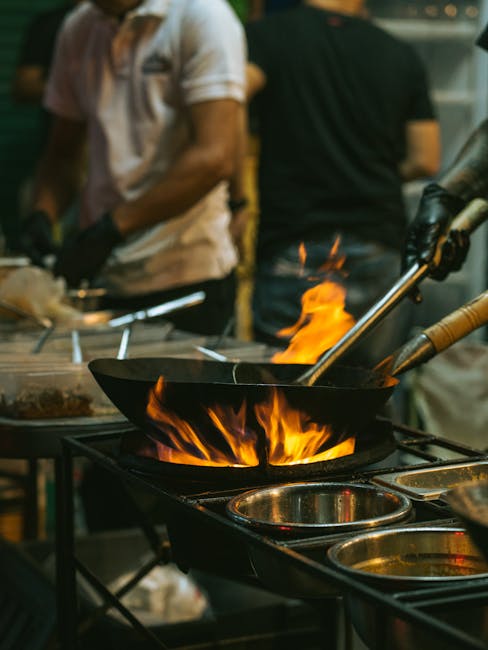
The evolution of cooking techniques is a testament to human ingenuity and adaptation. Early humans likely consumed food raw, with the advent of fire marking a revolutionary leap in culinary history. Fire allowed for cooking, which not only made food safer by killing pathogens but also made it more digestible and unlocked new flavor profiles through roasting and grilling. The development of pottery enabled boiling and simmering, leading to the creation of stews and broths. Over millennia, diverse cooking methods emerged, each with its unique advantages and applications. Boiling, steaming, poaching, braising, stewing, sautéing, stir-frying, deep-frying, roasting, grilling, baking, and smoking are just some of the fundamental techniques that form the basis of global cuisines.
Modern culinary practices have been further revolutionized by technological advancements. From sophisticated ovens with precise temperature control and convection fans to sous vide immersion circulators that allow for meticulous temperature management and uniform cooking, technology has expanded the possibilities for home cooks and professional chefs alike. Specialized tools, such as mandolines for uniform slicing, immersion blenders for quick puréeing, and stand mixers for effortless dough preparation, have streamlined kitchen tasks and enhanced precision. The development of refrigeration and freezing has also transformed food preservation, allowing for greater access to a wider variety of ingredients year-round and facilitating global food trade.
The cultural significance of food cannot be overstated. Food is deeply intertwined with identity, heritage, and community. Traditional recipes are passed down through generations, carrying with them stories and memories. Meals are often central to social gatherings, from family dinners to religious festivals and national celebrations. The way food is prepared, presented, and shared varies dramatically across cultures, reflecting distinct values and beliefs. For example, in many East Asian cultures, communal dining is a central practice, with dishes placed in the center of the table for everyone to share. In contrast, Western dining often emphasizes individual plating.
Dietary patterns are also shaped by cultural norms and religious practices. Vegetarianism and veganism are integral to certain religions and philosophies, while other cultures embrace a meat-centric diet. The concept of "comfort food" is a powerful example of how food evokes emotional responses, often tied to childhood memories and a sense of security. The global proliferation of diverse cuisines, driven by migration and cultural exchange, has created a rich tapestry of culinary experiences, making it possible to explore the world through its food. This also fuels the growth of the food and beverage industry, a massive global economic sector.
The food and cooking category also encompasses the critical aspects of food safety and nutrition. Understanding foodborne illnesses and how to prevent them through proper handling, cooking temperatures, and storage is paramount. This involves knowledge of bacteria, viruses, and other pathogens that can contaminate food and the hygiene practices necessary to mitigate these risks. Food safety regulations and certifications play a vital role in protecting public health.
Nutritional science provides the framework for understanding the role of food in health and well-being. Macronutrients (carbohydrates, proteins, fats) and micronutrients (vitamins, minerals) are essential for bodily functions, growth, and disease prevention. The study of dietary guidelines, balanced meals, and the impact of specific food components on health is a crucial aspect of this category. Issues such as obesity, malnutrition, food allergies, and dietary intolerances highlight the importance of informed food choices and preparation. The rise of specialized diets, such as ketogenic, paleo, and gluten-free, reflects a growing awareness of individual nutritional needs and health goals.
The economic impact of food and cooking is profound, shaping global markets and livelihoods. The agricultural sector, responsible for producing raw ingredients, is the foundation of this industry. This includes farming, fishing, and livestock management. The processing and manufacturing of food products, from packaged goods to restaurant meals, represent a significant segment of the economy. The retail sector, including supermarkets and specialty food stores, brings these products to consumers. The hospitality industry, encompassing restaurants, cafes, and catering services, relies heavily on culinary expertise and the effective management of food resources.
Globalization has significantly impacted food production and consumption. Supply chains are increasingly complex, with ingredients sourced from around the world. This has led to greater availability of diverse foods but also raises concerns about environmental sustainability, fair labor practices, and food security. The movement towards locally sourced and sustainable food options reflects a growing consumer demand for transparency and ethical production.
Ethical considerations are increasingly prominent within the food and cooking discourse. This includes debates surrounding animal welfare in meat production, the environmental impact of food choices (e.g., carbon footprint of different foods), and the equitable distribution of food resources. Food waste is a significant global issue, with efforts underway to reduce it at all stages of the food chain, from farm to fork. The development of plant-based alternatives and the promotion of sustainable farming practices are also driven by these ethical concerns.
The role of technology in the future of food and cooking is dynamic. Innovations in areas like vertical farming, cellular agriculture (lab-grown meat), and precision fermentation are poised to transform food production. Artificial intelligence is being used to develop new recipes, optimize food production, and personalize dietary recommendations. The internet and social media have democratized food knowledge, allowing for the rapid sharing of recipes, techniques, and culinary trends, fostering a global community of food enthusiasts.
The concept of "food as medicine" is gaining traction, with a growing understanding of how specific foods and dietary patterns can prevent or manage chronic diseases. Personalized nutrition, tailored to an individual’s genetic makeup and lifestyle, is an emerging field. The interplay between gut microbiome health and overall well-being is also a subject of intense research, highlighting the intricate connection between our diet and our internal biological systems.
The culinary arts continue to evolve, with chefs and home cooks constantly experimenting with new ingredients, techniques, and flavor combinations. The fusion of different culinary traditions, the rise of molecular gastronomy, and the emphasis on visually appealing presentations are all part of this ongoing evolution. The pursuit of delicious, nutritious, and ethically produced food remains a central driving force, reflecting humanity’s enduring relationship with what it eats. Ultimately, the category of food and cooking is a multifaceted domain that touches upon every aspect of human life, from the most basic biological needs to the highest forms of cultural expression and innovation. Its study offers a rich and rewarding exploration of our world and ourselves.
