
The Brave New World Of Medicinal Mushrooms
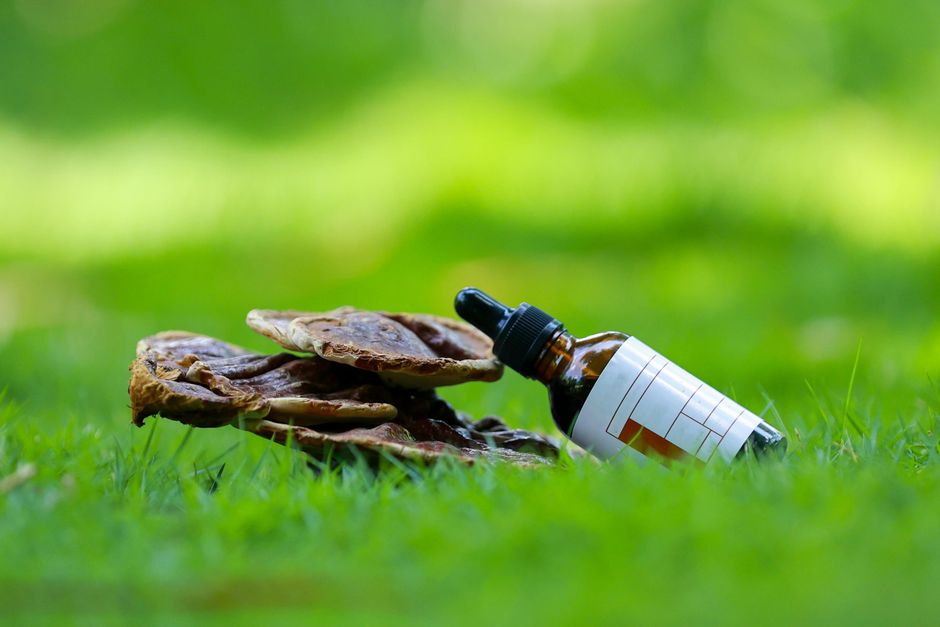
The Brave New World of Medicinal Mushrooms: Unlocking Nature’s Pharmaceutical Arsenal
The realm of natural medicine has long tapped into the potent compounds found in fungi. However, recent scientific exploration has propelled medicinal mushrooms from the fringes of traditional practice into the forefront of pharmacological innovation. This burgeoning field, often referred to as "mushroom medicine" or "mycotherapy," is unearthing a pharmaceutical arsenal within these unassuming organisms, offering potential solutions for a wide spectrum of health challenges, from immune modulation and cognitive enhancement to stress reduction and even cancer support. The intricate biochemical makeup of medicinal mushrooms, particularly their complex polysaccharides (beta-glucans), triterpenes, and other bioactive compounds, is the key to their therapeutic efficacy. These molecules interact with human physiology in sophisticated ways, influencing cellular pathways, bolstering immune responses, and combating oxidative stress. As research accelerates, understanding the specific mechanisms of action for each potent mushroom species becomes paramount for harnessing their full potential.
The foundational principle underpinning the therapeutic power of medicinal mushrooms lies in their ability to modulate the immune system. Unlike direct immune stimulants, many medicinal mushrooms exhibit adaptogenic properties, meaning they can help the immune system achieve homeostasis – a balanced state. For instance, compounds like beta-glucans, abundant in species such as Reishi (Ganoderma lucidum), Shiitake (Lentinula edodes), and Maitake (Grifola frondosa), are known to interact with immune cells like macrophages, natural killer (NK) cells, and T-cells. They can prime these cells, enhancing their ability to recognize and neutralize pathogens, whether viral, bacterial, or even cancerous cells. This immune-modulating capacity is particularly relevant in the context of chronic inflammation, autoimmune conditions, and as an adjunct therapy in cancer treatment, where a robust yet controlled immune response is crucial. Research is actively investigating how specific beta-glucan structures contribute to different immune effects, paving the way for more targeted therapeutic applications.
Beyond immune support, a growing body of evidence points to the significant neuroprotective and cognitive-enhancing benefits of certain medicinal mushrooms. Lion’s Mane (Hericium erinaceus) has garnered considerable attention for its potential to stimulate the production of Nerve Growth Factor (NGF) and Brain-Derived Neurotrophic Factor (BDNF). These crucial proteins are vital for the growth, maintenance, and survival of neurons, as well as for synaptic plasticity – the brain’s ability to form new connections. This has profound implications for conditions characterized by cognitive decline, such as Alzheimer’s disease and other forms of dementia, as well as for general cognitive function, memory, and focus in healthy individuals. Pre-clinical and some early-stage human trials suggest that Lion’s Mane supplementation can improve memory recall, reduce symptoms of mild cognitive impairment, and even promote recovery from nerve damage. The erinacines and hericenones found in Lion’s Mane are believed to be the primary drivers of these neurological effects.
The realm of stress and anxiety management is another area where medicinal mushrooms are demonstrating remarkable promise. Adaptogens, a class of herbs and fungi that help the body adapt to stress, are central to this benefit. Cordyceps (Cordyceps sinensis and militaris) and Reishi, in particular, are renowned for their adaptogenic qualities. Cordyceps has been traditionally used to combat fatigue and improve stamina, and modern research suggests it may do so by enhancing cellular energy production and improving oxygen utilization. This can translate into a greater capacity to cope with physical and mental stressors. Reishi, often called the "mushroom of immortality," has a long history of use for its calming and mood-balancing effects. Its polysaccharides and triterpenes are thought to interact with the hypothalamic-pituitary-adrenal (HPA) axis, the body’s central stress response system, helping to regulate cortisol levels and promote a sense of tranquility. This makes Reishi a valuable tool for individuals struggling with chronic stress, insomnia, and anxiety.
The potential of medicinal mushrooms as adjuncts in cancer therapy is a particularly exciting and actively researched frontier. While not a standalone cure, certain mushrooms possess compounds that can support conventional treatments and enhance the body’s natural defenses against cancer. Turkey Tail (Trametes versicolor), for instance, is a well-studied example. Its PSK and PSP (polysaccharide-K and polysaccharide-peptide) compounds have been approved in Japan as adjuvant cancer therapies for decades, demonstrating the ability to improve survival rates and reduce the side effects of chemotherapy and radiation. These compounds are believed to work by stimulating the immune system to recognize and attack cancer cells, as well as by inhibiting tumor growth. Other mushrooms like Chaga (Inonotus obliquus) are rich in antioxidants, particularly melanin, which can help protect cells from DNA damage that can lead to cancer. Research is ongoing to understand the synergistic effects of various mushroom compounds and their role in preventing cancer recurrence and improving the quality of life for patients.
The extraction and standardization of bioactive compounds from medicinal mushrooms are critical for ensuring consistent potency and therapeutic efficacy. Raw mushroom powder, while offering a broad spectrum of compounds, can have variable bioavailability. Modern extraction techniques, such as hot water extraction for polysaccharides and ethanol extraction for triterpenes, are employed to concentrate these beneficial molecules. Understanding the optimal extraction method for specific compounds within each mushroom species is an ongoing area of scientific inquiry. Furthermore, standardization of mushroom extracts to a specific percentage of key active compounds, like beta-glucans or triterpenes, provides consumers and practitioners with a reliable measure of quality and dosage. This meticulous approach to extraction and standardization is crucial for bridging the gap between traditional use and evidence-based scientific validation.
The bioactivity of medicinal mushrooms is not limited to a few well-known compounds. Their complex and often synergistic profiles mean that the whole mushroom or standardized extracts offer a broader range of therapeutic benefits than isolated compounds. For example, Cordyceps mushrooms contain not only cordycepin but also a wealth of other nucleotides, amino acids, and polysaccharides that contribute to its overall adaptogenic and immune-modulating effects. This concept of synergistic action, where the combined effect of multiple compounds is greater than the sum of their individual parts, is a significant area of investigation in mycotherapy. Researchers are actively employing sophisticated analytical techniques to identify and characterize these intricate interactions, leading to a deeper understanding of how different mushroom constituents work together to promote health.
The increasing consumer interest in natural health solutions has fueled a surge in the availability and popularity of medicinal mushroom products. From powders and capsules to tinctures and even coffee blends, these products are becoming more accessible. However, navigating this expanding market requires informed decision-making. Consumers should prioritize products from reputable manufacturers that provide transparent information about the source of their mushrooms, their cultivation practices (e.g., organic, wild-harvested), and the standardization of active compounds. Understanding the specific benefits attributed to each mushroom species and consulting with qualified healthcare professionals or mycotherapy practitioners is essential for making informed choices that align with individual health goals. The regulatory landscape surrounding dietary supplements, including mushroom-based products, is also evolving, emphasizing the importance of evidence-based claims and quality control.
The future of medicinal mushrooms is incredibly promising, driven by continuous scientific discovery and increasing integration into mainstream healthcare. Ongoing research is exploring novel applications, such as the use of specific mushroom extracts in managing chronic pain, improving athletic performance, and supporting gut health through their prebiotic effects. Furthermore, the potential for developing pharmaceutical drugs directly derived from mushroom compounds is a significant avenue for future innovation. The intricate biochemical diversity of the fungal kingdom represents a vast, largely untapped reservoir of therapeutic potential. As our understanding of mycology and molecular biology deepens, we can anticipate an even more profound appreciation for the brave new world of medicinal mushrooms and their capacity to revolutionize health and wellness. This evolution necessitates continued investment in rigorous scientific research, ethical cultivation and harvesting practices, and open dialogue between traditional knowledge holders and modern scientific investigators to fully unlock the pharmaceutical arsenal nature has provided.
