
Tag Healthier Kung Pao Chicken
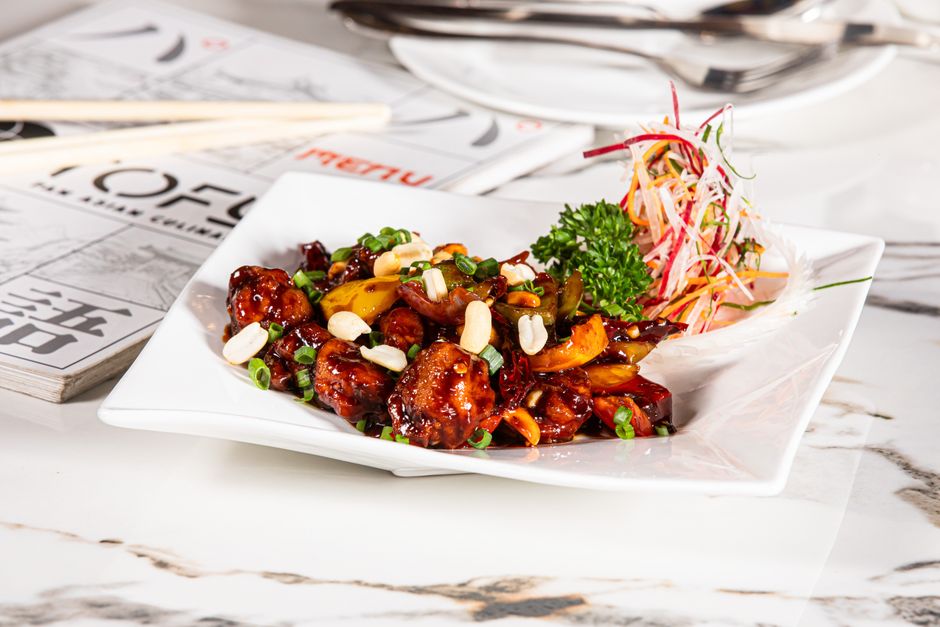
Healthier Kung Pao Chicken: A Culinary Revolution in Your Kitchen
The quest for healthier versions of beloved comfort foods is a continuous culinary journey. Kung Pao Chicken, a staple of Sichuan cuisine celebrated for its vibrant flavors and satisfying textures, often presents a challenge to the health-conscious home cook. Traditional preparation methods frequently involve deep-frying the chicken, liberal use of oil, and a sugar-laden sauce, all contributing to a higher calorie and fat count. This article delves into a comprehensive approach to creating a healthier Kung Pao Chicken without sacrificing its signature taste and aroma, offering practical strategies for ingredient substitution, cooking techniques, and flavor enhancement that cater to modern dietary needs and preferences.
At its core, the traditional Kung Pao Chicken recipe involves stir-frying marinated chicken pieces, typically thighs, with vegetables such as bell peppers and onions, peanuts, and a sauce built on soy sauce, vinegar, sugar, and chili peppers. The defining elements are the complex interplay of savory, sweet, sour, and spicy, and the characteristic “mala” (numbing and spicy) sensation often attributed to Sichuan peppercorns. The challenge in making it healthier lies in mitigating the less desirable components while amplifying the beneficial ones.
The primary area for improvement is the cooking method of the chicken. Deep-frying, while imparting a desirable crispness, is a major contributor to increased fat and calorie content. A superior alternative for a healthier Kung Pao Chicken is pan-searing or oven-roasting. Pan-searing in a minimal amount of high-smoke-point oil, such as avocado oil or grapeseed oil, allows for the development of a browned exterior that mimics some of the textural appeal of frying. For oven-roasting, tossing chicken pieces with a tablespoon or two of oil and roasting them on a baking sheet at a high temperature (around 400°F or 200°C) until cooked through and lightly browned offers a hands-off approach that significantly reduces added fat. Another effective method is air frying. Air fryers use circulating hot air to achieve a crispy texture with a fraction of the oil used in deep frying, making it an excellent option for achieving that satisfying crunch. When marinating the chicken, opting for lean cuts like chicken breast instead of thighs will further reduce fat content. However, if using thighs, trimming any visible fat before marinating and cooking is a simple yet impactful step. The marinade itself can be lightened by reducing the amount of oil and incorporating flavorful but low-calorie ingredients.
The sauce is another critical component that often contributes a significant amount of sugar and sodium. To create a healthier Kung Pao sauce, focus on reducing refined sugar and replacing it with natural sweeteners in moderation, or even eliminating it altogether and relying on the inherent sweetness of vegetables. Instead of granulated white sugar, consider using a small amount of honey, maple syrup, or date paste. These natural sweeteners offer a more complex flavor profile. The base of the sauce typically includes soy sauce. To reduce sodium, opt for low-sodium soy sauce or tamari. Alternatively, coconut aminos can be used as a soy-free and lower-sodium alternative, offering a subtly sweet and umami-rich flavor that pairs well with the other ingredients. The tanginess of the sauce, crucial for balance, can be achieved with rice vinegar or black vinegar. White vinegar can also be used, though it offers a sharper flavor. To add depth and complexity without excess sugar, consider incorporating ingredients like chicken broth (low-sodium), a dash of sesame oil (used sparingly for flavor rather than cooking), and a touch of cornstarch or arrowroot powder to thicken the sauce. Cornstarch, when used judiciously, acts as a binder and helps coat the ingredients, providing that signature Kung Pao glossy finish without the need for excessive oil.
The vegetables in Kung Pao Chicken provide essential nutrients and fiber, contributing to the dish’s overall health profile. Beyond the traditional bell peppers and onions, incorporate a wider array of colorful vegetables to boost the nutritional value and visual appeal. Broccoli florets, snap peas, snow peas, carrots (cut into thin matchsticks for quick cooking), zucchini, and mushrooms are excellent additions. These vegetables not only add vitamins, minerals, and antioxidants but also contribute to the dish’s satiety, making it a more filling and satisfying meal. The key to maintaining their crisp-tender texture is to add them to the wok or pan in stages, cooking the harder vegetables first and the more delicate ones later, ensuring they are cooked through but still retain a slight bite.
Peanuts are a hallmark of Kung Pao Chicken, adding a delightful crunch and earthy flavor. While healthy in moderation, their fat content warrants consideration in a lighter version. To reduce fat while retaining the textural element, consider using fewer peanuts, or opting for dry-roasted and unsalted varieties. Another strategy is to incorporate other crunchy elements like toasted cashews (in moderation) or even crispy fried shallots (used sparingly for garnish). For a nut-free alternative, toasted sunflower seeds or pumpkin seeds can provide a similar crunch. When it comes to the chili peppers, the source of the dish’s heat, fresh chilies like bird’s eye chilies or jalapeños offer vibrant flavor and adjustable heat levels. Dried red chilies, common in authentic Sichuan cooking, provide a smoky heat. Adjust the quantity of chilies to your personal spice preference. For the numbing sensation, Sichuan peppercorns are indispensable. These small berries, when lightly toasted and ground, release their unique aroma and tingling sensation. A small amount goes a long way in achieving the authentic Kung Pao flavor profile without adding any unhealthy components.
Marination is a crucial step for infusing flavor into the chicken and tenderizing it. For a healthier marinade, combine low-sodium soy sauce or tamari, a splash of rice vinegar, a teaspoon of cornstarch (to help tenderize and create a coating), a pinch of white pepper, and a tiny amount of minced garlic and ginger. Avoid using excessive amounts of oil in the marinade. The cornstarch not only aids in tenderizing the chicken but also helps the marinade cling to the pieces, contributing to a better sear and sauce adherence.
The cooking process for a healthier Kung Pao Chicken should focus on high heat and quick cooking times, a hallmark of stir-frying. Begin by heating a wok or a large, heavy-bottomed skillet over medium-high heat. Add a minimal amount of high-smoke-point oil. Once the oil is shimmering, add the marinated chicken in a single layer, ensuring not to overcrowd the pan (cook in batches if necessary to achieve proper searing). Sear the chicken until browned on all sides and cooked through. Remove the chicken from the pan and set aside. Next, add a little more oil if needed and stir-fry the aromatics – minced garlic and ginger – for about 30 seconds until fragrant. Then, add the vegetables, starting with those that require longer cooking times, and stir-fry until they are crisp-tender. Finally, add the cooked chicken back to the pan, pour in the prepared healthier Kung Pao sauce, and toss everything together until the sauce thickens and coats all the ingredients. Stir in the peanuts and chili peppers just before serving.
Serving Kung Pao Chicken with whole grains is another excellent way to enhance its health profile. Instead of white rice, opt for brown rice, quinoa, or even cauliflower rice for a lower-carbohydrate option. These whole grains provide more fiber, vitamins, and minerals compared to refined white rice, contributing to increased satiety and a more balanced meal.
To summarize the strategic approach to creating a healthier Kung Pao Chicken:
-
Chicken Preparation: Opt for lean chicken breast or trim fat from thighs. Employ pan-searing, oven-roasting, or air frying instead of deep-frying. Marinate with low-sodium soy sauce, cornstarch, and aromatics.
-
Sauce Reformulation: Reduce refined sugar by using natural sweeteners sparingly (honey, maple syrup, date paste) or omitting it. Use low-sodium soy sauce or tamari, or coconut aminos. Enhance tanginess with rice or black vinegar. Thicken with cornstarch or arrowroot powder.
-
Vegetable Variety and Quantity: Incorporate a wide range of colorful vegetables like broccoli, snap peas, carrots, and mushrooms to increase nutrient density and fiber.
-
Nut and Chili Management: Use peanuts in moderation, opting for dry-roasted and unsalted varieties. Experiment with alternative crunchy toppings. Adjust chili pepper quantity for desired heat.
-
Aromatics and Spice: Utilize fresh garlic, ginger, and Sichuan peppercorns for authentic flavor without added fat or sugar.
-
Cooking Technique: Employ high-heat, quick stir-frying or oven-roasting for optimal texture and nutrient retention.
-
Serving Suggestions: Pair with whole grains like brown rice or quinoa, or with cauliflower rice for a low-carb option.
By implementing these adjustments, you can recreate the beloved flavors and textures of Kung Pao Chicken in a way that aligns with a healthier lifestyle, proving that delicious and satisfying meals can also be nourishing and guilt-free. This culinary evolution empowers home cooks to enjoy classic dishes with a modern, health-conscious twist.
