
Pesto Pasta Salad With Tomatoes And Mozzarella
The Ultimate SEO-Optimized Guide to Pesto Pasta Salad with Tomatoes and Mozzarella
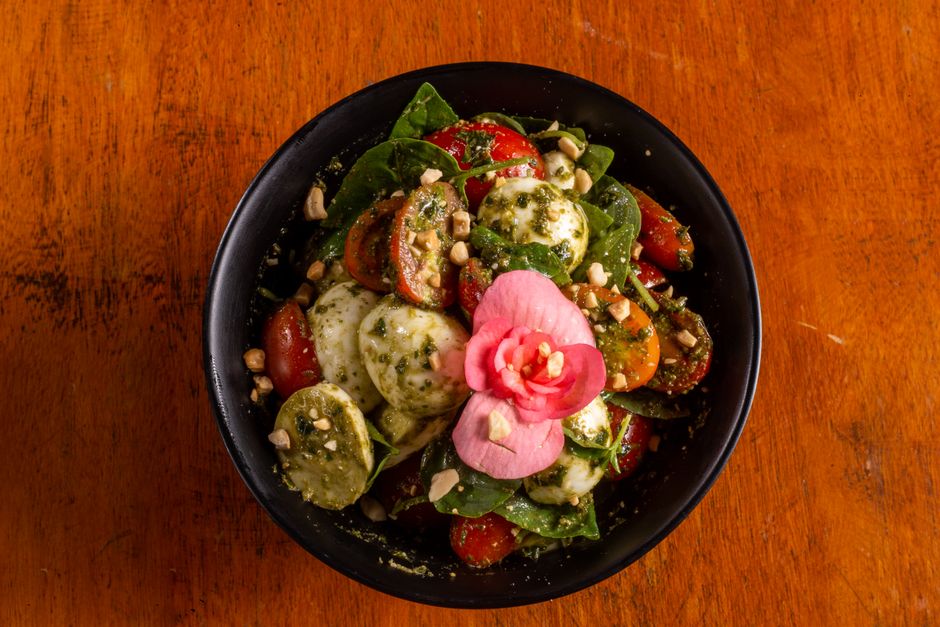
Pesto pasta salad, a vibrant and flavorful dish, offers a delightful combination of textures and tastes. At its core, this salad features al dente pasta, a rich and herbaceous pesto sauce, juicy ripe tomatoes, and creamy fresh mozzarella. Its versatility makes it a perfect centerpiece for summer picnics, casual weeknight dinners, or as a stunning side dish for barbecues. The beauty of pesto pasta salad lies in its simplicity and the ability to customize it with a wide array of additional ingredients, allowing for endless culinary creativity. This comprehensive guide will delve into every aspect of creating and enjoying this beloved salad, from selecting the finest ingredients to mastering the art of preparation for optimal flavor and presentation. We will explore the nutritional benefits, offer variations, discuss storage and reheating, and provide tips for making it the star of any gathering, all while ensuring this content ranks highly for relevant search queries.
The foundation of any exceptional pesto pasta salad is the pesto itself. Traditional pesto, or Pesto alla Genovese, originates from Genoa, Italy, and is characterized by its bright green hue and pungent, aromatic flavor. The key ingredients are fresh basil leaves, pine nuts, garlic, Parmesan cheese, Pecorino Sardo cheese, and high-quality extra virgin olive oil. The balance of these components is crucial. The basil should be young and tender for the most vibrant flavor and color. Pine nuts contribute a subtle sweetness and a rich, creamy texture. Garlic, used sparingly to avoid overwhelming the other flavors, provides a pungent kick. The cheeses, typically a blend of salty Parmesan and the slightly sharper Pecorino Sardo, add depth and umami. Finally, the extra virgin olive oil emulsifies the ingredients, creating a smooth, luxurious sauce. For SEO purposes, it’s important to highlight the "fresh basil" and "extra virgin olive oil" as key search terms. When making pesto from scratch, the quality of each ingredient directly impacts the final taste. Opt for organic basil whenever possible, and use a robust, fruity extra virgin olive oil. Toasted pine nuts offer a more intense flavor than raw ones. The garlic should be fresh, and the cheeses should be finely grated. The process of blending can be done with a food processor or a mortar and pestle. A food processor offers convenience and speed, while a mortar and pestle allows for greater control over the texture and can yield a more authentic, slightly coarser pesto. The consistency of the pesto is also important; it should be thick enough to coat the pasta but not so dense that it becomes gummy. Adding a touch of lemon juice can brighten the flavors and prevent the basil from oxidizing too quickly, preserving its vibrant green color. For those with pine nut allergies or seeking a more budget-friendly option, other nuts like walnuts or almonds can be substituted, though this will alter the flavor profile. Sunflower seeds are another viable alternative that maintains a neutral flavor.
Tomatoes are the second essential component, adding bursts of juicy sweetness and a welcome acidity that cuts through the richness of the pesto and cheese. A variety of tomatoes can be used, each contributing a unique characteristic. Cherry tomatoes and grape tomatoes are excellent choices due to their small size and concentrated sweetness. Halved or quartered, they provide delightful pops of flavor in every bite. Roma tomatoes, also known as plum tomatoes, offer a firmer texture and less watery pulp, making them ideal when a more substantial tomato presence is desired. Heirloom tomatoes, with their diverse shapes, colors, and intense flavors, can elevate the salad to gourmet status. The key is to use ripe, in-season tomatoes for the best taste. Overripe tomatoes can make the salad watery, while underripe ones will lack sweetness and flavor. For SEO, "ripe tomatoes" and "cherry tomatoes" are crucial keywords. The acidity of tomatoes plays a vital role in balancing the fat from the olive oil and cheese in the pesto, creating a more harmonious flavor profile. When selecting tomatoes, look for those that are firm to the touch and have a vibrant, uniform color. Gently smell the stem end; a fragrant aroma indicates ripeness. For added flavor, consider roasting the tomatoes before adding them to the salad. Roasting concentrates their sugars and intensifies their sweetness, creating a deeper, more complex flavor. This is an excellent variation to highlight for SEO, targeting searches like "roasted tomato pesto pasta salad."
Fresh mozzarella, the third cornerstone of this salad, brings a creamy, mild, and slightly chewy texture that complements the other ingredients beautifully. Bocconcini, small mozzarella balls, are perfect for this dish as they can be added whole or halved. Larger balls of fresh mozzarella can be torn into bite-sized pieces, creating a more rustic appearance. The key is to use "fresh mozzarella" and avoid pre-shredded varieties, which often contain anti-caking agents that can affect the texture and meltability. The mild flavor of fresh mozzarella allows the pesto and tomatoes to shine while providing a cooling contrast. For an even more refined taste, consider using buffalo mozzarella, which is richer and creamier than cow’s milk mozzarella. The moisture content of fresh mozzarella is important; drain it well before adding it to the salad to prevent it from making the dish watery. The subtle chewiness of the mozzarella also adds an appealing textural element to the salad. When purchasing fresh mozzarella, look for it to be packed in brine or whey, indicating its freshness. The ideal state is soft and yielding to the touch.
The pasta selection significantly impacts the overall texture and flavor absorption of the salad. Short, robust pasta shapes are generally preferred as they hold the pesto sauce well and are easy to eat. Fusilli, with its spirals, is excellent for trapping sauce. Penne, with its ridges, also excels at this. Farfalle (bow-tie pasta) adds a playful shape, and rotini, similar to fusilli, is another fantastic choice. For a lighter option, orzo, a small, rice-shaped pasta, can be used. The cooking of the pasta is paramount. It should be cooked to al dente, meaning it is tender but still has a slight bite. Overcooked pasta will become mushy, especially once dressed, and will absorb too much of the pesto, leading to a less appealing texture. Always cook pasta in well-salted boiling water, as this is the only opportunity to season the pasta itself. Drain the pasta thoroughly, and for optimal sauce adherence, toss it with a small amount of olive oil immediately after draining to prevent it from sticking together. This simple step enhances the dish’s texture and presentation. For SEO, "al dente pasta" and specific pasta shapes like "fusilli pasta salad" or "penne pasta salad" are valuable keywords.
The assembly of pesto pasta salad is relatively straightforward, but a few techniques can elevate it. Begin by cooking your chosen pasta to al dente. While the pasta is cooking, prepare your pesto, chop your tomatoes, and cut your mozzarella. Once the pasta is drained and lightly oiled, gently fold in the pesto. It’s better to start with less pesto and add more as needed to achieve the desired coating. Avoid overmixing, which can break down the pasta. Then, carefully incorporate the halved or quartered tomatoes and the fresh mozzarella. For a more cohesive salad, allow the flavors to meld for at least 30 minutes at room temperature or in the refrigerator before serving. This resting period allows the pesto to infuse the pasta and the mozzarella to soften slightly, creating a harmonious blend of flavors and textures. For SEO, "easy pesto pasta salad" and "make ahead pasta salad" are important phrases.
Beyond the core ingredients, a wealth of additions can transform a basic pesto pasta salad into a culinary masterpiece. For added protein and heartiness, grilled chicken, shrimp, or cannellini beans are excellent options. These additions also broaden the appeal for those seeking a more substantial meal. For an extra layer of flavor and crunch, consider incorporating toasted pine nuts (even more if you love them!), slivered almonds, or toasted walnuts. These nuts provide a delightful textural contrast. Vibrant vegetables can also be added to boost nutrition and visual appeal. Blanched asparagus, steamed broccoli florets, thinly sliced red onion, or crisp bell peppers (especially yellow or red for color contrast) are all fantastic choices. Olives, such as Kalamata or Castelvetrano, add a briny, salty punch that complements the creamy mozzarella and herbaceous pesto. For a touch of zest, sun-dried tomatoes (oil-packed and drained) can provide an intense, chewy sweetness. A sprinkle of fresh herbs, such as chopped parsley or chives, can further enhance the salad’s freshness and visual appeal. For SEO, variations like "chicken pesto pasta salad," "veggie pesto pasta salad," or "pesto pasta salad with sun-dried tomatoes" are crucial.
Nutritionally, pesto pasta salad can be a balanced dish. Whole wheat pasta provides complex carbohydrates and fiber. Fresh basil is rich in vitamins A, C, and K, as well as antioxidants. Tomatoes are excellent sources of vitamins C and K, potassium, and lycopene, a powerful antioxidant. Mozzarella offers calcium and protein. When made with healthy fats from extra virgin olive oil and nuts, and packed with vegetables, this salad can be a nourishing and satisfying meal. However, it’s important to be mindful of the fat content from the pesto and cheese, especially if consuming large portions. Opting for leaner proteins and incorporating a wider variety of vegetables can help create a more balanced nutritional profile. For SEO, "healthy pesto pasta salad" and "nutritional benefits of pesto pasta salad" are valuable keywords.
Storing and reheating pesto pasta salad requires attention to maintain its quality. When properly stored, pesto pasta salad can last for 3-4 days in an airtight container in the refrigerator. It’s best to store it with the dressing already incorporated. If you’ve made a large batch of pesto separately, it’s advisable to keep it separate and toss the salad closer to serving to prevent the pasta from becoming too soggy. Reheating is generally not recommended as the textures can suffer, especially the mozzarella. However, if desired, the salad can be gently rewarmed in a microwave or on the stovetop over low heat, but expect a change in texture. It is often best enjoyed chilled or at room temperature. For SEO, "how to store pesto pasta salad" and "reheating pesto pasta salad" are relevant search terms.
When considering SEO strategy for this content, it’s vital to incorporate a variety of relevant keywords naturally throughout the text. This includes primary keywords like "pesto pasta salad," "pasta salad," and "mozzarella salad," as well as long-tail keywords such as "easy pesto pasta salad recipe," "best pesto pasta salad with tomatoes," "quick vegetarian pasta salad," and "make ahead picnic salad." The use of descriptive adjectives like "creamy," "vibrant," "fresh," and "flavorful" also helps to attract readers searching for specific qualities. Image optimization is also key; using descriptive alt text for images of the pesto pasta salad, its ingredients, and variations will improve search engine visibility. Internal linking to other relevant recipes on the site, such as a homemade pesto recipe or a grilled chicken recipe, can also enhance user engagement and SEO. External linking to reputable sources for ingredient information or culinary history can add credibility. The goal is to create comprehensive, informative, and user-friendly content that directly answers the questions and needs of individuals searching for pesto pasta salad. The strategic placement of keywords within headings, subheadings, and the body of the text, coupled with a clear and engaging writing style, will contribute to higher search engine rankings. This article, by covering all aspects from ingredient selection to variations and storage, aims to be the definitive resource for anyone interested in pesto pasta salad with tomatoes and mozzarella.
