
Nutritious Smoothies Under 200 Calories Summer Edition
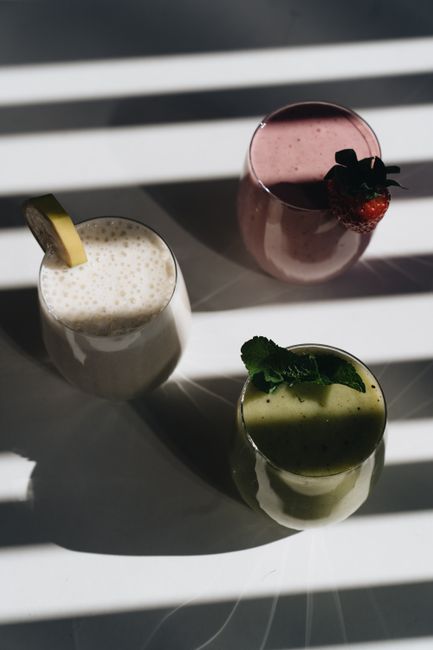
Refreshing & Revitalizing: Delicious Smoothie Recipes Under 200 Calories for a Healthy Summer
The summer months call for light, hydrating, and nutrient-dense meals, and smoothies perfectly fit this bill. Beyond their convenient preparation and delicious taste, strategically crafted smoothies can be a powerful tool for managing calorie intake while maximizing vitamin, mineral, and fiber consumption. This article delves into the world of low-calorie summer smoothies, providing a comprehensive guide to creating satisfying and revitalizing blends that stay under the 200-calorie mark, perfect for a healthy and energetic summer. We’ll explore the foundational principles of low-calorie smoothie creation, the best ingredients for a cooling summer experience, and offer a variety of recipes designed to cater to diverse taste preferences and nutritional needs.
Understanding the calorie math is paramount when aiming for under-200-calorie smoothies. The primary drivers of calorie content in smoothies are typically calorie-dense fruits, added sugars, and high-fat ingredients. To keep calories in check, focus on a base of low-calorie liquids and vegetables, then incorporate small portions of fruits for natural sweetness and flavor. Water, unsweetened almond milk, unsweetened coconut water, and unsweetened green tea are excellent low-calorie liquid bases. They provide hydration and a smooth consistency without significantly impacting the calorie count. When choosing fruits, prioritize those naturally lower in sugar and calories, such as berries (strawberries, blueberries, raspberries, blackberries), melon (watermelon, cantaloupe), and grapefruit. These fruits are also rich in antioxidants and fiber, contributing to satiety and overall health. Vegetables, often overlooked in smoothie recipes, are nutritional powerhouses and exceptionally low in calories. Leafy greens like spinach, kale, and romaine lettuce blend seamlessly into smoothies, adding a wealth of vitamins (A, C, K) and minerals (iron, calcium) without a pronounced flavor. Cucumber and zucchini, when peeled and seeded, can also add bulk and hydration with minimal calories.
The art of building a satisfying low-calorie smoothie lies in strategic ingredient selection and portion control. Aim for a balance of macronutrients, even within the calorie restriction. While protein and healthy fats are important for satiety, they need to be added judiciously. A small amount of protein powder (whey, plant-based) can significantly increase the protein content, promoting fullness and aiding muscle repair, but be mindful of its calorie contribution. Similarly, a tablespoon of chia seeds or flaxseeds can provide omega-3 fatty acids and fiber, but also adds calories. Portioning is key; a single tablespoon of nuts or seeds is often sufficient for a nutritional boost. Flavor enhancers should also be considered. Instead of sugary syrups or artificial sweeteners, opt for natural flavor boosters like cinnamon, nutmeg, ginger, mint, lemon zest, or lime juice. These spices and citrus elements can elevate the taste profile of your smoothie without adding significant calories. Freezing fruits and vegetables can also enhance the smoothie experience, creating a thicker, more ice-cream-like consistency without the need for added ice, which can dilute flavor and add extra water.
Summer Smoothie Staples: Ingredients for Hydration and Nutrition
Low-Calorie Liquid Bases:
- Water: 0 calories, provides essential hydration.
- Unsweetened Almond Milk: Approximately 30-40 calories per cup. A good source of vitamin E.
- Unsweetened Coconut Water: Approximately 45-60 calories per cup. Rich in electrolytes, perfect for post-workout recovery.
- Unsweetened Green Tea (Chilled): 0 calories. Packed with antioxidants and can offer a subtle caffeine boost.
Low-Calorie Fruits (Portion Controlled):
- Berries (Strawberries, Blueberries, Raspberries, Blackberries): Approximately 50-80 calories per cup. High in antioxidants, vitamin C, and fiber.
- Watermelon: Approximately 30-45 calories per cup. Extremely hydrating and a good source of lycopene.
- Cantaloupe/Honeydew Melon: Approximately 50-60 calories per cup. Good source of vitamins A and C.
- Grapefruit: Approximately 50-60 calories per half. High in vitamin C and has a refreshing tartness.
- Lime/Lemon Juice: Negligible calories. Adds brightness and cuts through sweetness.
Nutrient-Dense Vegetables (Generous Portions):
- Spinach: Approximately 7 calories per cup. Excellent source of vitamins A, C, K, and iron. Mild flavor that blends well.
- Kale: Approximately 33 calories per cup. Nutrient-dense, rich in vitamins A, C, K, calcium, and antioxidants. May require more blending for a smoother texture.
- Romaine Lettuce: Approximately 5 calories per cup. Hydrating and a good source of vitamins A and K.
- Cucumber (Peeled and Seeded): Approximately 15-20 calories per cup. Adds significant hydration and a cooling effect.
- Zucchini (Peeled and Seeded): Approximately 20 calories per cup. Blends in undetectably, adding creaminess and volume.
Optional Boosters (Use Sparingly):
- Unsweetened Protein Powder (Whey or Plant-Based): Varies by brand, typically 80-120 calories per scoop. Adds protein for satiety.
- Chia Seeds: Approximately 60 calories per tablespoon. Good source of fiber and omega-3s.
- Flaxseeds (Ground): Approximately 55 calories per tablespoon. Rich in fiber and omega-3s.
- Fresh Ginger: Negligible calories. Adds a spicy kick and aids digestion.
- Fresh Mint: Negligible calories. Provides a cooling and refreshing flavor.
- Cinnamon/Nutmeg: Negligible calories. Adds warmth and depth of flavor.
Summer Smoothie Recipe Collection (Under 200 Calories)
The following recipes are designed to be under 200 calories per serving, assuming standard portion sizes and unsweetened liquid bases. Adjust ingredient quantities slightly based on your specific brand choices and desired thickness.
1. Berry Burst Hydrator (Approx. 120 Calories)
- 1 cup unsweetened almond milk
- 1/2 cup frozen mixed berries (strawberries, blueberries, raspberries)
- 1/4 cup cucumber, peeled and seeded
- 1/2 tablespoon chia seeds
- Squeeze of fresh lemon juice
This smoothie is a vibrant antioxidant powerhouse. The mixed berries provide a delightful sweetness and a range of polyphenols. Cucumber adds a cooling, hydrating element, while chia seeds contribute fiber and omega-3 fatty acids, promoting satiety without a significant calorie increase. The lemon juice brightens the flavors and adds a touch of vitamin C.
2. Green Goddess Refresher (Approx. 135 Calories)
- 1 cup unsweetened coconut water
- 1 cup fresh spinach
- 1/2 cup frozen honeydew melon
- 1/4 inch fresh ginger, peeled
- Small handful of fresh mint leaves
The Green Goddess Refresher is exceptionally hydrating thanks to the coconut water and honeydew melon. Spinach provides a wealth of nutrients, and its mild flavor is masked by the sweetness of the melon and the invigorating zest of ginger and mint. This combination is perfect for combating summer heat and aiding digestion.
3. Watermelon Mint Cooler (Approx. 90 Calories)
- 1.5 cups frozen watermelon chunks
- 1/2 cup water
- Small bunch of fresh mint leaves
- Optional: Small squeeze of lime juice
This ultra-low-calorie option is pure summer bliss. Frozen watermelon creates a wonderfully thick, sorbet-like texture, making it incredibly refreshing. The mint adds a cooling sensation, and the optional lime juice provides a hint of tartness that balances the natural sweetness of the watermelon. It’s a perfect thirst quencher with minimal impact on your calorie goals.
4. Zucchini Sunrise Zest (Approx. 150 Calories)
- 3/4 cup unsweetened almond milk
- 1/2 cup frozen peaches (check calorie content of frozen varieties, often around 60-70 calories per cup)
- 1/2 cup zucchini, peeled and seeded, frozen
- 1/4 teaspoon cinnamon
- Optional: 1/2 scoop unsweetened vanilla protein powder (adds approximately 40-60 calories)
The Zucchini Sunrise Zest is a clever way to add volume and creaminess without a lot of calories. Frozen zucchini blends into a smooth, almost undetectable texture, enhancing the smoothie’s richness. Peaches provide a natural sweetness, and cinnamon adds a warm, comforting note. The optional protein powder can be added if you need an extra satiety boost, ensuring you stay full for longer.
5. Cantaloupe & Lime Zing (Approx. 110 Calories)
- 1 cup unsweetened green tea (chilled)
- 1 cup frozen cantaloupe chunks
- Juice of 1/2 lime
- Small pinch of sea salt (enhances sweetness)
This bright and zesty smoothie is invigorating. The combination of cantaloupe and lime offers a refreshing tang, while the chilled green tea provides a subtle caffeine lift and a dose of antioxidants. The pinch of sea salt is a secret weapon that actually amplifies the natural sweetness of the fruit, making it taste even more satisfying.
6. Raspberry Rosehip Revitalizer (Approx. 130 Calories)
- 1 cup water
- 1/2 cup frozen raspberries
- 1/4 cup rosehip tea (brewed and chilled, negligible calories, rich in vitamin C)
- 1/4 cup peeled and seeded cucumber
- A few drops of rose water (optional, adds delicate floral aroma)
The Raspberry Rosehip Revitalizer is a unique and delicious option. Raspberries are packed with antioxidants and fiber, and the addition of rosehip tea boosts the vitamin C content significantly. Cucumber adds hydration, and a hint of rose water lends a sophisticated floral aroma, making this smoothie feel like a spa treat.
7. Spiced Pear & Spinach Sensation (Approx. 160 Calories)
- 1 cup unsweetened almond milk
- 1/2 cup frozen pear chunks (ensure no added sugar)
- 1 cup fresh spinach
- 1/4 teaspoon ground nutmeg
- Pinch of ground ginger
This smoothie offers a comforting yet refreshing flavor profile. Pear, when frozen, creates a smooth, creamy base. Spinach adds a nutritional punch, and the spices of nutmeg and ginger lend a warm, inviting aroma and taste, making it suitable for any time of day.
8. Blueberry Lavender Dream (Approx. 140 Calories)
- 1 cup unsweetened coconut water
- 1/2 cup frozen blueberries
- 1/4 cup frozen cauliflower florets (steamed and frozen for a creamier texture)
- 1/4 teaspoon culinary lavender buds (ensure food-grade)
Blueberries are a fantastic source of antioxidants, and when combined with the subtle floral notes of lavender, they create a truly dreamy smoothie. Frozen cauliflower, surprisingly, adds a creamy texture and volume without altering the flavor significantly, making it an excellent low-calorie thickener. Coconut water provides electrolytes for optimal hydration.
9. Grapefruit Mint Zing (Approx. 100 Calories)
- 1/2 large grapefruit, peeled and segmented
- 1/2 cup water
- Small handful of fresh mint
- A few ice cubes (optional, for extra chill)
This is a bright, tart, and incredibly refreshing option. Grapefruit is known for its vitamin C content and metabolism-boosting properties. The mint adds a cooling sensation, making it ideal for a hot summer morning or an afternoon pick-me-up. It’s a simple yet powerful way to start your day.
10. Peach & Kale Power-Up (Approx. 155 Calories)
- 1 cup unsweetened almond milk
- 1/2 cup frozen peach slices
- 1 cup chopped kale
- 1 tablespoon ground flaxseed
- Optional: 1/2 scoop unsweetened vanilla protein powder (adds approx. 40-60 calories)
The Peach & Kale Power-Up combines the sweetness of peaches with the nutrient density of kale. Flaxseed provides healthy fats and fiber, contributing to satiety. If you need to extend the staying power of this smoothie, consider adding half a scoop of unsweetened protein powder, which will keep you feeling fuller for longer without significantly increasing the calorie count.
Tips for Success and Staying Under 200 Calories:
- Measure Everything: Even seemingly small amounts of calorie-dense ingredients can add up. Use measuring cups and spoons for accuracy.
- Prioritize Frozen Ingredients: Frozen fruits and vegetables create a thicker, more satisfying smoothie texture, reducing the need for ice, which can dilute flavor.
- Read Labels Carefully: Especially for plant-based milks and protein powders, opt for unsweetened varieties to avoid hidden sugars and calories.
- Don’t Overdo the Fruit: While fruits are healthy, their natural sugars contribute to calorie counts. Stick to the recommended portions.
- Embrace Leafy Greens: Spinach, kale, and romaine lettuce are low-calorie nutritional powerhouses that blend well into smoothies.
- Utilize Spices and Herbs: Cinnamon, ginger, mint, and citrus zest can add immense flavor without adding calories.
- Hydration is Key: Water and unsweetened teas are your best friends for low-calorie smoothie bases.
- Listen to Your Body: Adjust recipes based on your personal calorie needs and dietary goals. These recipes are guidelines, not rigid rules.
- Batch Prep: Wash, chop, and freeze your fruits and vegetables in pre-portioned bags for quick and easy smoothie assembly. This also helps with portion control.
- Consider your Blender’s Power: A high-powered blender will create smoother textures, especially with fibrous ingredients like kale. This can make less palatable ingredients more enjoyable.
By focusing on nutrient-dense, low-calorie ingredients and employing smart portion control, you can create a wide array of delicious and satisfying smoothies this summer. These recipes offer a starting point for your low-calorie smoothie journey, providing hydration, essential vitamins and minerals, and a refreshing way to beat the heat while staying committed to your health and wellness goals. Experiment with different combinations and discover your own favorite revitalizing blends that fit perfectly within your daily calorie targets.
