
Category Low Carb Recipes
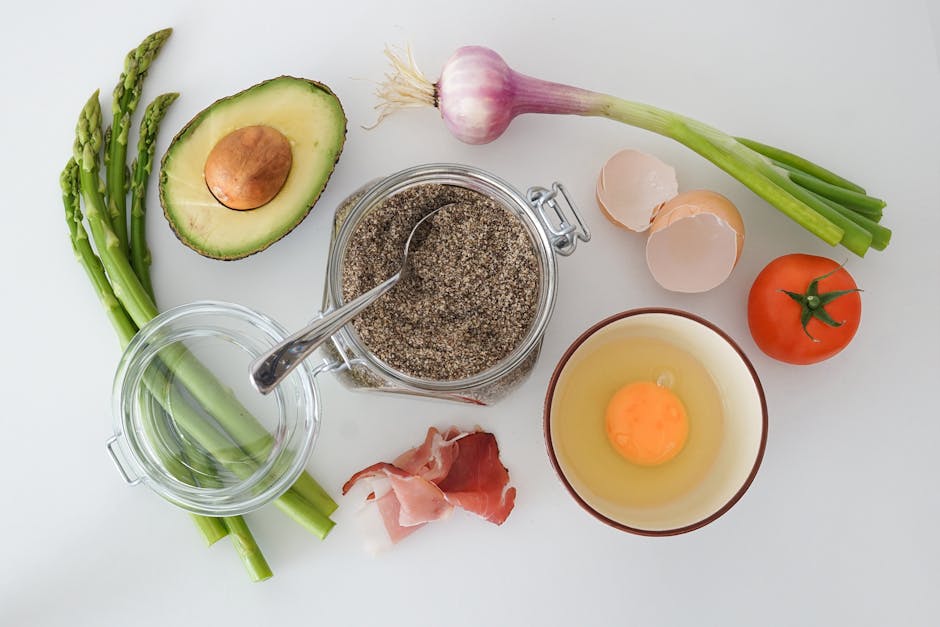
The Ultimate Guide to Delicious and Satisfying Low Carb Recipes
Embracing a low-carbohydrate eating plan doesn’t mean sacrificing flavor or variety. This comprehensive guide explores the vast and delicious world of low carb recipes, offering practical advice, essential ingredient swaps, and inspiring meal ideas to transform your culinary experience. From quick weeknight dinners to impressive weekend brunches, discover how to create satisfying meals that support your health goals without feeling deprived. Low carb diets, characterized by a significant reduction in carbohydrate intake and a corresponding increase in fat and protein, have gained popularity for their potential to aid in weight management, improve blood sugar control, and enhance overall well-being. However, the perceived difficulty of adhering to such a diet often stems from a lack of accessible and appealing recipe options. This article aims to demystify low carb cooking, providing a wealth of information and inspiration for both seasoned low carbers and those new to the lifestyle.
The cornerstone of any successful low carb recipe is the strategic replacement of high-carbohydrate ingredients with nutrient-dense, low-carb alternatives. Grains, sugars, and starchy vegetables are the primary culprits to reduce. Instead, focus on incorporating a wide array of non-starchy vegetables like leafy greens (spinach, kale, romaine), cruciferous vegetables (broccoli, cauliflower, Brussels sprouts), bell peppers, zucchini, asparagus, and green beans. These vegetables are not only low in carbohydrates but also packed with essential vitamins, minerals, and fiber, promoting satiety and digestive health. For protein, prioritize high-quality sources such as grass-fed beef, pasture-raised chicken and eggs, fatty fish like salmon and mackerel, and pork. Healthy fats are crucial for energy and flavor in low carb cooking. Olive oil, coconut oil, avocado oil, butter, ghee, and nuts and seeds (in moderation) serve as excellent choices. When it comes to dairy, full-fat options like heavy cream, sour cream, and cheese are generally preferred, as they contain fewer carbohydrates than their low-fat counterparts.
One of the most versatile and popular low carb staples is cauliflower. Its mild flavor and ability to mimic the texture of grains and starches make it an invaluable ingredient. Cauliflower rice, for instance, can be a direct substitute for traditional rice in stir-fries, curries, and sushi bowls. Simply pulse florets in a food processor until they resemble rice grains, then sauté or steam. Cauliflower can also be mashed to create a creamy alternative to mashed potatoes, a delightful base for pizzas, or even incorporated into baked goods for added moisture and nutrients. Another powerful substitution is almond flour or coconut flour for traditional wheat flour. These nut and seed-based flours are significantly lower in carbohydrates and offer a rich, slightly nutty flavor. Almond flour is particularly versatile, suitable for baking cakes, cookies, muffins, and even creating a crispy coating for fried foods. Coconut flour, due to its high absorbency, requires more liquid in recipes but lends a subtle coconut sweetness and excellent texture to baked goods.
Exploring breakfast options within a low carb framework opens up a world of satisfying and energizing meals. Scrambled eggs or omelets loaded with spinach, mushrooms, and cheese are a classic. Elevate them with a side of avocado for healthy fats and fiber. Frittatas, a more elaborate egg dish baked in a skillet, are perfect for meal prep and can be customized with a variety of vegetables and proteins. Consider a Denver omelet frittata with diced ham, bell peppers, and onions, or a spinach and feta frittata for a Mediterranean twist. For those craving something sweet, consider “pancakes” made from almond flour or coconut flour, often incorporating ingredients like eggs, cream cheese, and a touch of low-carb sweetener. Top these with sugar-free whipped cream, berries (in moderation), or a drizzle of nut butter. Overnight chia seed pudding made with unsweetened almond milk or coconut milk and flavored with cinnamon or vanilla extract is another convenient and nutrient-rich breakfast option. The gelatinous texture of chia seeds provides a satisfying mouthfeel, and they are a good source of fiber and omega-3 fatty acids.
Lunch and dinner recipes are where low carb cooking truly shines, offering an abundance of flavorful and hearty options. For quick and easy lunches, think salads loaded with grilled chicken, salmon, or shrimp, plenty of mixed greens, cucumber, bell peppers, and a creamy, homemade dressing (e.g., avocado-based or a vinaigrette with olive oil and vinegar). Lettuce wraps are a fantastic alternative to sandwiches, using large romaine or butter lettuce leaves to encase fillings like seasoned ground beef, shredded chicken, or tuna salad. Consider Thai-inspired fillings with peanut sauce or Mexican-inspired fillings with salsa and avocado. Soups and stews, when prepared with a broth base and packed with low-carb vegetables and protein, are incredibly satisfying. A creamy chicken and vegetable soup or a hearty beef stew made with mushrooms and onions instead of potatoes can be a comforting and filling meal.
When it comes to main courses, the possibilities are nearly endless. Baked salmon with roasted asparagus and lemon is a simple yet elegant dish. Pan-seared chicken breasts with a creamy mushroom sauce or a garlic herb butter are always a hit. For a more robust meal, consider grilled steak or pork chops served with a side of mashed cauliflower or sautéed Brussels sprouts with bacon. Ground meat is incredibly versatile for low carb cooking. Taco salads, deconstructed taco bowls served over lettuce, are a favorite. Shepherd’s pie, with a mashed cauliflower topping instead of mashed potatoes, is a hearty and comforting classic. Eggplant parmesan, with thinly sliced eggplant baked with marinara sauce and mozzarella cheese, offers a vegetarian-friendly low carb option. Stir-fries are easily adapted by using a base of cauliflower rice or shirataki noodles and loading them with your favorite protein and low-carb vegetables like broccoli, bell peppers, and snap peas, seasoned with tamari (a soy sauce alternative) or coconut aminos.
Snacks are an integral part of any dietary plan, and low carb snacks are designed to keep you satisfied between meals without spiking blood sugar levels. Hard-boiled eggs are a portable and protein-rich option. A handful of nuts and seeds, such as almonds, walnuts, macadamia nuts, or pumpkin seeds, provides healthy fats and fiber. Keep in mind portion sizes, as nuts are calorie-dense. String cheese or cheese cubes are a convenient source of protein and fat. Olives are a flavorful and low-carb snack. Celery sticks with cream cheese or nut butter are a classic crunchy and satisfying option. Avocado slices with a sprinkle of salt and pepper are a delicious and nutrient-dense choice. For something a bit more elaborate, consider homemade jerky (ensure it’s sugar-free) or fat bombs, small, calorie-dense snacks typically made with coconut oil, butter, and flavorings like cocoa powder or vanilla.
For those with a sweet tooth, low carb desserts can be surprisingly decadent. Berries, such as raspberries, blackberries, and strawberries, are relatively low in sugar and make excellent bases for desserts. A simple bowl of berries topped with sugar-free whipped cream is a delightful treat. Chia seed pudding, as mentioned for breakfast, can also be enjoyed as a dessert, flavored with cocoa powder for a chocolate version or topped with a few berries. Cheesecake, when made with cream cheese, eggs, and a low-carb sweetener, is a rich and satisfying dessert. Almond flour or coconut flour can be used to create low carb crusts for pies and tarts. Sugar-free chocolate mousse, made with heavy cream and unsweetened cocoa powder, is a quick and indulgent option. Baked apples, when made with a cinnamon and butter filling and a minimal amount of low-carb sweetener, offer a warm and comforting dessert. Exploring recipes that utilize natural low-carb sweeteners like stevia, erythritol, or monk fruit is key to creating delicious sugar-free desserts.
Beyond individual recipes, understanding key principles for successful low carb cooking is paramount. Meal prepping is a game-changer. Dedicating a few hours on the weekend to chop vegetables, cook proteins, and assemble components for meals can save significant time and effort during the busy week, making it easier to stick to your low carb goals. Investing in quality ingredients is also important. Opting for organic produce, grass-fed meats, and wild-caught fish can enhance the nutritional profile and flavor of your meals. Reading food labels carefully is crucial to identify hidden sugars and carbohydrates in packaged goods. Many condiments, sauces, and dressings can be surprisingly high in sugar. Learning to make your own from scratch using low carb ingredients offers greater control and superior flavor. Experimentation is encouraged. Don’t be afraid to adapt recipes to your personal preferences and dietary needs. Explore different spices and herbs to add depth and complexity to your dishes.
For individuals managing conditions like diabetes or seeking weight loss, the benefits of a well-planned low carb diet are well-documented. By reducing the intake of refined carbohydrates and sugars, blood glucose levels can be stabilized, leading to more consistent energy and reduced cravings. The increased intake of healthy fats and protein also promotes satiety, making it easier to manage calorie intake and achieve weight loss goals. However, it is always advisable to consult with a healthcare professional or a registered dietitian before making significant dietary changes, especially if you have underlying health conditions. They can provide personalized guidance and ensure that your low carb journey is safe and effective.
The world of low carb recipes is not a restrictive one, but rather an expansive culinary landscape filled with innovation and delicious possibilities. By focusing on whole, unprocessed foods, embracing nutrient-dense alternatives, and employing smart cooking techniques, you can create a diverse and satisfying menu that nourishes your body and delights your taste buds. This guide has provided a foundational understanding and a wealth of ideas to embark on or continue your low carb culinary adventure. The key lies in consistent effort, creative exploration, and the understanding that low carb eating can be a delicious and sustainable way of life. From vibrant salads and hearty mains to guilt-free desserts, the recipes are abundant and waiting to be discovered.