
What One Pan Dinners With 30 Grams Of Protein Look Like
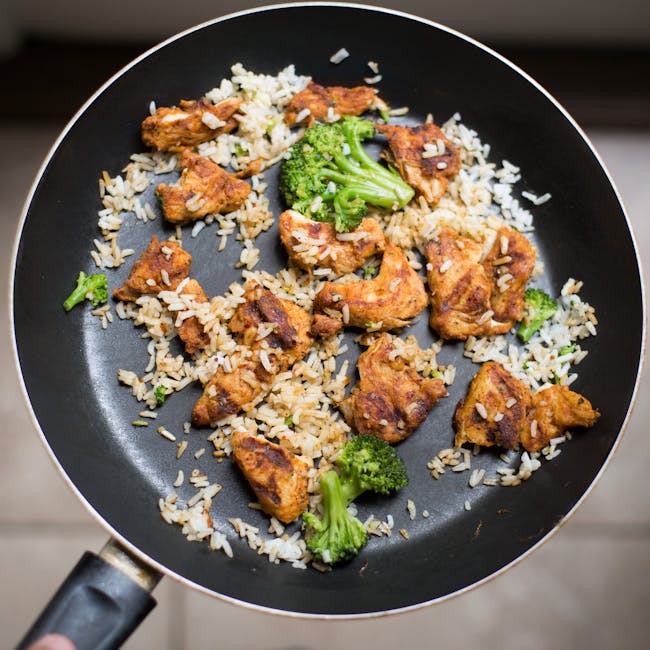
The Art of the One-Pan Dinner: Achieving 30 Grams of Protein with Minimal Effort and Maximum Flavor
This article explores the construction of satisfying and nutritionally complete one-pan dinners, specifically focusing on achieving a minimum of 30 grams of protein per serving. The core principle behind these meals is efficiency: minimizing cleanup and preparation time while maximizing flavor and nutritional impact. We will dissect the components that contribute to a protein-rich one-pan meal, including ideal protein sources, complementary vegetables and starches, and the role of seasonings and healthy fats. Understanding these elements allows for the creation of a vast array of customizable dishes that are both wholesome and convenient, perfectly suited for busy weeknights or individuals seeking streamlined meal solutions. The versatility of the one-pan approach means that with a thoughtful selection of ingredients, nearly any dietary preference or culinary inclination can be accommodated.
The foundation of any protein-rich one-pan dinner lies in the strategic selection of protein sources. To consistently reach the 30-gram mark, lean meats, poultry, fish, and plant-based proteins are paramount. For example, a 4-ounce (approximately 113 grams) serving of cooked chicken breast typically contains around 30-35 grams of protein. Similarly, a 4-ounce portion of salmon or lean beef can provide a comparable amount. When considering poultry, chicken thighs, while slightly higher in fat, also offer substantial protein, often in the range of 25-30 grams per 4 ounces, and can contribute to a more succulent end product in a one-pan environment due to their higher fat content. For those opting for red meat, lean cuts like sirloin steak or pork tenderloin are excellent choices, delivering roughly 30 grams of protein per 4-ounce serving. Fish, particularly fatty fish like salmon, mackerel, and tuna, not only provides a significant protein punch but also offers beneficial omega-3 fatty acids. A 4-ounce fillet of salmon typically provides 25-30 grams of protein.
Plant-based protein sources require a slightly different approach to achieve the 30-gram target within a single pan, often necessitating the combination of multiple ingredients or focusing on more concentrated sources. Tofu and tempeh are excellent options; a half-block (approximately 7-8 ounces or 200 grams) of firm tofu can yield upwards of 20-25 grams of protein, and pan-searing or roasting it alongside other ingredients in the same pan is highly effective. Tempeh, a fermented soybean product, is even more protein-dense, with a 4-ounce serving often containing 18-20 grams of protein. Legumes, such as lentils and chickpeas, are also valuable, although they typically contribute less protein per serving than tofu or meat. A cup of cooked lentils offers around 18 grams of protein, while a cup of chickpeas provides about 15 grams. To reach 30 grams with legumes, you would likely need to incorporate them as a significant component alongside another protein source or choose a legume-based product specifically engineered for higher protein content. For instance, a hearty lentil and vegetable bake, where lentils form the bulk of the dish, could potentially reach the protein goal. Quinoa, a complete protein, also plays a supporting role, offering around 8 grams of protein per cooked cup, and can be integrated directly into the pan with other ingredients, absorbing flavors and adding substance.
The accompanying vegetables in a one-pan dinner serve multiple purposes: they add essential vitamins, minerals, fiber, and crucial bulk, transforming a protein source into a complete meal. The key is to select vegetables that cook in a similar timeframe to your chosen protein or can be introduced in stages to ensure optimal texture and doneness. Hardy vegetables like broccoli florets, cauliflower florets, Brussels sprouts, bell peppers, onions, sweet potatoes, and root vegetables such as carrots and parsnips are ideal candidates for roasting alongside proteins. Their denser structure allows them to withstand higher temperatures and longer cooking times without becoming mushy. For instance, when roasting chicken breast with broccoli and bell peppers, the chicken will cook through in approximately 20-25 minutes at 400°F (200°C), and the vegetables will achieve a desirable tender-crisp texture within that same timeframe. Softer vegetables like spinach, zucchini, or cherry tomatoes can be added towards the end of the cooking process to prevent overcooking and maintain their vibrant color and freshness. Incorporating a substantial amount of these vegetables ensures the meal is not only protein-rich but also provides a broad spectrum of micronutrients and dietary fiber, promoting satiety and digestive health.
The starch component of a one-pan dinner adds carbohydrates for energy and further contributes to the overall satiety of the meal. Similar to vegetables, the chosen starch should be compatible with the cooking method and time. Many grains can be cooked directly in the pan with the other ingredients, absorbing the juices and flavors of the protein and vegetables. Quinoa, as mentioned, is a versatile option that cooks relatively quickly and can be added directly to the pan, especially in dishes like a baked chicken and quinoa medley. Rice, particularly brown rice or wild rice blends, can also be incorporated, although they may require a slightly longer cooking time and potentially more liquid. Consider dishes like a Spanish-inspired chicken and rice, where the rice is cooked directly in the pan with chicken broth, spices, and chicken pieces. Potatoes, especially diced or sliced, roast beautifully alongside proteins and vegetables, absorbing the rendered fats and seasonings. Sweet potatoes offer a slightly sweeter profile and are rich in beta-carotene. When using potatoes or sweet potatoes, cutting them into uniform, bite-sized pieces ensures even cooking. Pasta can also be integrated into one-pan meals, particularly sheet-pan pasta dishes where dried pasta is cooked in a sauce and layered with protein and vegetables. This method is highly efficient and results in a flavorful, cohesive dish.
The magic of the one-pan dinner truly comes alive through the skillful application of seasonings, herbs, spices, and healthy fats. These elements not only enhance the flavor profile but also contribute to the overall healthfulness of the meal and can aid in the cooking process. Healthy fats, such as olive oil, avocado oil, or coconut oil, are essential for coating the ingredients, preventing sticking, and facilitating browning and caramelization, which impart a desirable depth of flavor. A generous drizzle of olive oil over vegetables and protein before roasting is a standard practice. When it comes to seasonings, the possibilities are virtually endless. Simple salt and black pepper form the foundation for most dishes, but expanding beyond this is where creativity flourishes. Garlic powder, onion powder, paprika (sweet, smoked, or hot), cumin, coriander, chili powder, and Italian seasoning blends are all excellent choices that can be used individually or combined to create complex flavor profiles. For a more robust and savory taste, consider using soy sauce or tamari (for gluten-free options), Worcestershire sauce, or even a dash of liquid smoke. Fresh herbs like rosemary, thyme, oregano, parsley, and cilantro can be added during or after cooking to impart vibrant, fresh notes. Dried herbs are also effective, particularly when added earlier in the cooking process to allow their flavors to infuse. Consider the synergistic effect of pairing certain spices with specific proteins and vegetables. For example, lemon and garlic are classic pairings for chicken and fish, while cumin and chili powder work wonderfully with beef or plant-based proteins like black beans or lentils. The judicious use of acidity, such as a squeeze of lemon juice or a splash of vinegar at the end of cooking, can brighten flavors and cut through richness.
The practical application of these principles can be illustrated with specific examples. Consider a "Sheet Pan Lemon Herb Chicken and Asparagus with Roasted Potatoes." This dish would begin by tossing cubed chicken breast (approximately 4 ounces per serving for 30 grams of protein) with olive oil, lemon juice, minced garlic, dried oregano, thyme, salt, and pepper. Cubed potatoes, cut into ½-inch pieces, would be similarly seasoned and tossed with olive oil. These would be spread on a baking sheet. In a separate bowl, asparagus spears would be tossed with olive oil, salt, and pepper, and then added to the baking sheet during the last 10-15 minutes of cooking. The chicken and potatoes would roast at 400°F (200°C) for about 20-25 minutes, or until the chicken is cooked through and the potatoes are tender and golden. The protein content of the chicken alone would easily meet the 30-gram requirement. Another example is a "Spicy Sausage and Sweet Potato Skillet." Here, sliced chicken or turkey sausage (choosing varieties with at least 15-20 grams of protein per 3-ounce serving, and adjusting portion size to reach 30 grams) would be browned in a skillet with olive oil. Diced sweet potatoes, chopped bell peppers, and red onion would be added, along with a generous amount of chili powder, cumin, smoked paprika, salt, and pepper. A small amount of chicken broth or water could be added to create a slight sauce and ensure the sweet potatoes cook through. This one-skillet meal combines protein, complex carbohydrates, and a medley of vegetables. For a plant-based option, a "Tofu and Broccoli Stir-Fry with Quinoa" would involve pan-frying firm tofu cubes until golden brown, then stir-frying broccoli florets, sliced carrots, and snow peas in the same pan with a sauce made from soy sauce, ginger, garlic, and a touch of honey or maple syrup. Cooked quinoa, prepared separately or added directly to the pan at the end, would complete the meal, with the tofu providing the primary protein source, likely requiring around 7-8 ounces of tofu to reach the 30-gram protein threshold.
The nutritional benefits of consistently incorporating 30-gram protein one-pan dinners extend beyond just meeting protein targets. Adequate protein intake is crucial for muscle synthesis and repair, hormone production, enzyme function, and immune system support. By combining protein with a generous portion of fiber-rich vegetables, these meals promote prolonged satiety, which can aid in weight management and prevent overeating. The inclusion of whole grains or complex carbohydrates provides sustained energy release, preventing energy crashes. Furthermore, the focus on whole, unprocessed ingredients minimizes the intake of added sugars, unhealthy fats, and excessive sodium often found in pre-packaged or restaurant meals. The convenience factor is also a significant health benefit in itself, as it reduces stress associated with meal preparation and can lead to more consistent healthy eating habits. The reduction in dishes also means less time spent on cleanup, freeing up valuable time for other activities that contribute to overall well-being, such as exercise, relaxation, or spending time with loved ones. This approach to meal planning empowers individuals to take control of their nutrition with minimal fuss, making healthy eating an accessible and sustainable part of their lifestyle. The adaptability of the one-pan method allows for exploration of diverse cuisines and flavor profiles, preventing dietary boredom and encouraging experimentation with new ingredients and cooking techniques.
