
9 Hearty Chili Recipes Under 350 Calories
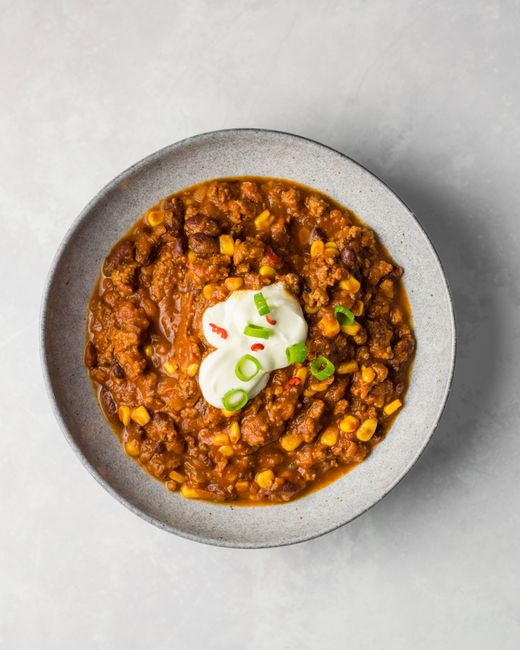
9 Hearty Chili Recipes Under 350 Calories: Satisfying, Healthy, and Flavorful
Achieving a satisfying and flavorful meal while adhering to a calorie limit can seem like a culinary challenge, but it’s entirely possible, especially with chili. This classic comfort food, often perceived as heavy, can be surprisingly light and incredibly nutrient-dense with smart ingredient choices and strategic recipe design. This article presents nine distinct, hearty chili recipes, each meticulously crafted to stay under the 350-calorie mark per serving, offering a diverse range of flavors and ingredients to suit every palate. These recipes prioritize lean proteins, abundant vegetables, and complex carbohydrates, ensuring you don’t sacrifice taste or satiety for calorie control. Whether you’re seeking a quick weeknight dinner, a meal prep powerhouse, or simply a healthier rendition of your favorite comfort food, these chili recipes are designed to impress.
Our first contender is a Lean Turkey and White Bean Chili. This recipe is a stellar example of how lean protein and fiber can create a filling and flavorful dish. The foundation is lean ground turkey, a superb source of protein that’s significantly lower in fat than its beef counterparts. We’ll utilize cannellini beans (white kidney beans) for their creamy texture and impressive fiber content, which aids in satiety and digestive health. The base of the chili is built with diced tomatoes, vegetable broth, and a generous medley of aromatics like onion and garlic. The spice profile is crucial for depth and warmth. We’ll employ chili powder, cumin, smoked paprika, and a touch of cayenne pepper for a gentle kick. For added complexity and a slight sweetness, a pinch of unsweetened cocoa powder can be incorporated, a secret weapon in many chili recipes. To keep calories in check, we’ll limit added fats by sautéing the vegetables in a small amount of olive oil or even using a non-stick spray. Fresh cilantro and a squeeze of lime juice at the end will brighten the flavors. A typical serving, estimated at around 1.5 cups, will typically hover between 300-320 calories, primarily from the protein, beans, and vegetables. This chili is excellent for meal prepping as its flavors meld and deepen over time.
Next, we explore a vibrant Vegetarian Black Bean and Sweet Potato Chili. This recipe proves that meat is not a prerequisite for a hearty and satisfying chili. The stars of this dish are hearty black beans, offering substantial protein and fiber, and sweet potatoes, which provide complex carbohydrates, essential vitamins, and a natural sweetness that balances the savory elements. Diced sweet potatoes, when cooked, become tender and slightly creamy, adding a luxurious mouthfeel without the need for heavy creams or fats. The liquid base will be a combination of vegetable broth and crushed tomatoes. The spice blend will be similar to the turkey chili, focusing on chili powder, cumin, and smoked paprika, with the addition of oregano for an earthy note. A bay leaf simmered in the chili adds a subtle but important depth. For added texture and nutrients, we’ll incorporate diced bell peppers (various colors for visual appeal and nutrient variety), corn kernels (fresh or frozen), and finely chopped celery. To enhance the chili’s umami, a tablespoon or two of nutritional yeast can be stirred in towards the end of cooking. This vegetarian option is incredibly versatile; some diced zucchini or yellow squash can be added for extra vegetable volume. A serving of this black bean and sweet potato chili will typically fall within the 280-300 calorie range, making it an exceptionally light yet filling choice.
Our third offering is a Spicy Lentil and Mushroom Chili. Lentils are nutritional powerhouses, packed with protein, fiber, and iron, making them an ideal base for a calorie-conscious chili. This recipe utilizes brown or green lentils, which hold their shape well during cooking. Finely chopped mushrooms, particularly cremini or shiitake, add an incredible depth of flavor and a satisfying, meaty texture. The base will be a rich tomato and vegetable broth combination. The spice blend will lean towards heat, with a generous amount of chili powder, cayenne pepper, and a dash of chipotle powder for a smoky, spicy kick. Onion, garlic, and diced jalapeños will provide the aromatic foundation. For an extra layer of savory flavor, a teaspoon of Worcestershire sauce (ensure it’s vegan-friendly if needed) can be added. A crucial element for texture and bulk is incorporating a variety of vegetables like diced carrots and red onions. This lentil and mushroom chili is incredibly robust. A typical serving size of approximately 1.5 cups should be in the 270-290 calorie range, making it one of the lighter options while still delivering on heartiness.
Fourth on our list is a Chicken Breast and Poblano Chili. This recipe focuses on lean white meat chicken breast, a lean protein source that absorbs flavors beautifully. Poblano peppers are the star here, offering a mild, earthy heat that’s less intense than jalapeños but adds significant flavor. The chili base will consist of diced tomatoes, chicken broth, and a sautéed mirepoix of onion and garlic. The spice profile will include chili powder, cumin, and a touch of coriander. For a subtle smokiness, a small amount of smoked paprika will be used. Diced bell peppers (green and yellow work well here) will add sweetness and color. To thicken the chili naturally and add more fiber, a small amount of masa harina (corn flour) can be whisked into the liquid before simmering, or a cornstarch slurry can be used sparingly. This chili is lighter than many meat-based versions. A serving of this chicken and poblano chili is estimated to be around 310-330 calories, depending on the exact chicken portion and any thickening agents used.
The fifth recipe is a Chili Verde with Turkey and Tomatillos. This variation swaps out traditional red tomatoes for vibrant green tomatillos, creating a zesty and refreshing chili. Lean ground turkey forms the protein base. Tomatillos, when simmered, break down and create a tangy, slightly acidic sauce. The recipe will involve sautéing onion and garlic, then adding the ground turkey. Once the turkey is browned, it will be combined with diced tomatillos (husked and rinsed), green chilies (like Anaheim or mild jalapeños), cilantro, and chicken or vegetable broth. The spice profile will be lighter on chili powder and heavier on cumin and a touch of dried oregano. A pinch of ground coriander can add another layer of complexity. For a bit more substance and fiber, small chunks of zucchini or chayote squash can be incorporated. This chili verde offers a unique flavor profile that is both comforting and invigorating. A standard serving size of roughly 1.5 cups should be in the 300-320 calorie range.
Our sixth recipe is a Three-Bean and Corn Chili. This is a classic vegetarian workhorse, packed with fiber, protein, and essential nutrients from its trio of beans. We’ll use a combination of kidney beans, black beans, and pinto beans, each offering slightly different textures and nutritional profiles. Sweet corn kernels add a burst of sweetness and color. The base will be crushed tomatoes and vegetable broth. The spice blend will be robust, featuring chili powder, cumin, smoked paprika, and a pinch of cayenne for heat. Diced onion, garlic, and bell peppers form the aromatic base. To boost the umami, a tablespoon of tomato paste can be added. This chili is incredibly filling due to its high fiber content from the beans and vegetables. It’s also very economical to make. A generous serving of this three-bean and corn chili, approximately 1.5 cups, will typically be around 280-300 calories.
Seventh, we present a Lean Beef and Kidney Bean Chili. For those who prefer the flavor of beef, this recipe utilizes extra-lean ground beef (90% lean or higher) to significantly reduce fat content. Kidney beans are a classic pairing, providing bulk and protein. The base will be diced tomatoes and beef broth. The aromatic foundation will consist of sautéed onion and garlic. The spice blend will be a traditional chili mix: chili powder, cumin, oregano, and a pinch of cayenne. A bay leaf will simmer to infuse its subtle flavor. To add extra vegetable volume without significantly increasing calories, finely diced carrots and celery can be incorporated. A small amount of diced bell pepper will also contribute to the flavor and texture. The key to keeping this lean beef chili under 350 calories per serving is portion control and using the leanest beef possible. A typical serving of about 1.5 cups will aim for the 320-340 calorie range.
Our eighth recipe is a Spicy Black Bean and Quinoa Chili. Quinoa, a complete protein, adds a wonderful nutty flavor and a chewy texture to this chili, making it even more satisfying. Black beans provide the primary protein and fiber. The base will be vegetable broth and diced tomatoes. The spice blend will be fiery, featuring chili powder, chipotle powder, and a generous pinch of cayenne. Sautéed onion, garlic, and diced jalapeños will create the aromatic foundation. Diced zucchini and bell peppers will add vegetable bulk. A tablespoon of lime juice stirred in at the end will brighten the flavors considerably. This chili is a fantastic option for those looking to increase their protein intake while keeping calories low. A serving of this black bean and quinoa chili, approximately 1.5 cups, will likely be in the 300-320 calorie range.
Finally, our ninth hearty chili recipe is a Chicken and Hominy Chili. Hominy, dried maize kernels that have been treated with an alkali process, provides a unique chewy texture and a slightly starchy, corn-like flavor that complements chili beautifully. Lean chicken breast is the protein source. The base will be chicken broth and diced tomatoes. Sautéed onion and garlic will form the aromatic foundation. The spice blend will include chili powder, cumin, and a touch of smoked paprika. Diced bell peppers (red and yellow for color) and a small amount of frozen corn will add sweetness and texture. A tablespoon of lime juice at the end will add a bright zest. This chili offers a delightful textural contrast with the tender chicken and the distinct bite of the hominy. A serving of this chicken and hominy chili, estimated at around 1.5 cups, should fall between 310-330 calories.
Key Principles for Calorie-Conscious Chili:
Several overarching principles underpin the creation of these low-calorie, hearty chili recipes. The first and most significant is the lean protein selection. Opting for turkey breast, chicken breast, extra-lean ground beef, or plant-based proteins like lentils and beans dramatically reduces the fat and calorie load compared to fattier cuts of meat. Secondly, abundant vegetables are crucial. Onions, garlic, bell peppers, zucchini, celery, carrots, sweet potatoes, and leafy greens not only add volume, fiber, and nutrients but also contribute to the overall flavor profile without adding significant calories.
The third principle is the strategic use of legumes. Beans and lentils are fiber-rich powerhouses that provide sustained energy and satiety. They are also excellent sources of plant-based protein, making them essential components of vegetarian and vegan chili variations. Fourthly, limiting added fats is paramount. Instead of sautéing ingredients in large amounts of oil, consider using non-stick cooking spray, a small amount of olive oil, or even water or broth for sautéing. When fats are used, choose healthy options like olive oil in moderation.
Fifth, flavor enhancement through spices and herbs is vital. Chili powder, cumin, smoked paprika, cayenne pepper, oregano, cilantro, and lime juice are all calorie-free flavor boosters. Experimenting with different spice combinations can elevate a simple chili into a culinary masterpiece. Sixth, understanding liquid bases is important. Vegetable broth, chicken broth, or low-sodium tomato juice are significantly lower in calories than creamy bases or heavy sauces. Using diced tomatoes and crushed tomatoes also contributes liquid and flavor without excess calories.
Finally, portion control remains an essential aspect of calorie management, even with healthy recipes. While these recipes are designed to be filling, adhering to the recommended serving size ensures you stay within your calorie goals. Utilizing measuring cups for your chili servings is a simple yet effective way to maintain control. These principles, when applied consistently, allow for the creation of deeply satisfying and nutritious chili dishes that are both delicious and health-conscious.
