
Heck Jackfruit Look Inside Funky Fruit
Heck, Jackfruit! A Deep Dive into this Funky Fruit’s Inner Workings and Culinary Potential
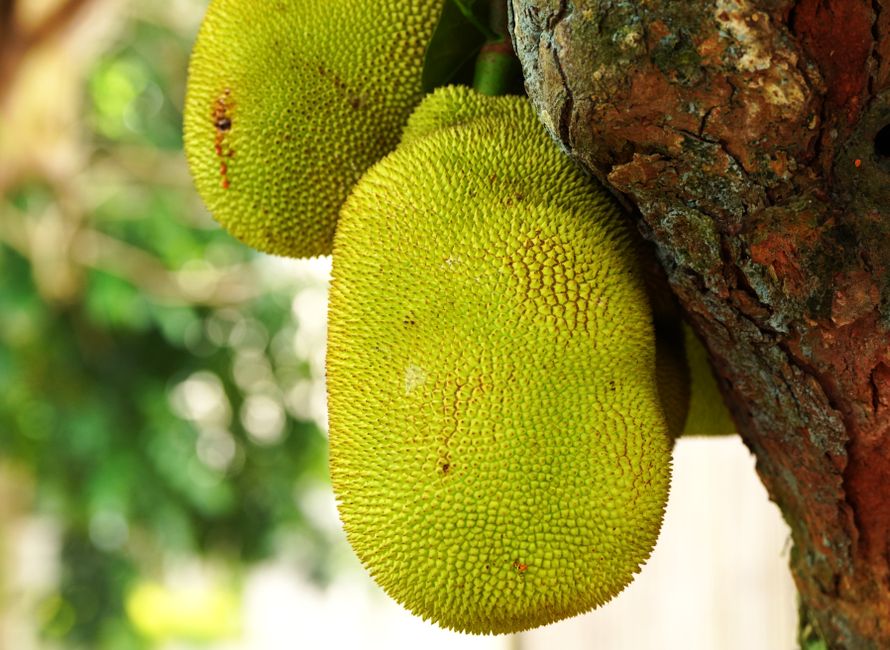
The jackfruit, a colossal fruit that can weigh upwards of 100 pounds, presents a truly unique proposition in the world of produce. Its exterior, a vibrant green to yellowish-brown, is characterized by a spiky, segmented rind that hints at the complex treasure held within. The sheer size of the jackfruit is often the first thing that strikes consumers, immediately setting it apart from more commonplace fruits. However, beneath this imposing facade lies a surprisingly diverse and versatile edible interior, offering a spectrum of textures and flavors that have propelled it to stardom in both vegan and adventurous culinary circles. To truly appreciate jackfruit, one must embark on a journey into its anatomical structure and understand the distinct components that contribute to its multifaceted appeal. This article will meticulously dissect the jackfruit, exploring its internal morphology, the maturation stages of its edible parts, and the myriad ways these components can be transformed into delicious and sought-after food products, all while optimizing for search engines interested in this increasingly popular plant-based protein alternative.
Upon breaching the tough, leathery rind of a ripe jackfruit, the first impression is a complex arrangement of fleshy pods, fibrous strings, and seeds, all enveloped in a somewhat sticky, aromatic latex. The internal landscape is best understood by segmenting it into its primary edible and non-edible components. The most coveted parts are the bulbs or pods, which are soft, fleshy, and yellowish-orange when mature. These pods are attached to the fibrous core and surround numerous seeds. The texture of these pods is often described as yielding and slightly chewy, with a flavor profile that can range from subtly sweet and banana-like in very ripe fruit to more neutral and starchy in unripe specimens. It’s this neutral characteristic of the unripe pods that makes them such a remarkable substitute for meat, particularly in savory dishes. The fibrous strands, often referred to as jackfruit meat or shreds, are intertwined with the pods and the core. These strands, when cooked, develop a remarkably stringy and tender texture, mimicking pulled pork or chicken remarkably well. The seeds, which are large and ovoid, are encased in a starchy pericarp and are themselves edible when cooked. They possess a nutty flavor and a mealy texture, often compared to chestnuts or potatoes, and are a valuable source of nutrition. Finally, the sticky white latex, while not typically consumed directly, plays a role in the fruit’s maturation and can be a nuisance during preparation, often necessitating oiling of hands and knives. Understanding the distinct nature of these internal elements is crucial for effective preparation and culinary application.
The maturity of the jackfruit significantly dictates the texture and flavor of its edible components, a critical factor for both home cooks and commercial producers. Unripe (green) jackfruit is firm, starchy, and remarkably neutral in flavor. This lack of pronounced sweetness makes it an ideal canvas for absorbing savory marinades and spices. The texture of unripe jackfruit is dense and fibrous, and when shredded, it readily mimics the texture of pulled meats. This is the stage most commonly sought after for vegan pulled "pork" or "chicken" dishes, tacos, and curries. As the jackfruit ripens, the starchy flesh of the pods begins to convert to sugars, leading to a noticeable increase in sweetness. The texture also softens, becoming more yielding and less fibrous. Ripe jackfruit has a distinctly sweet aroma and flavor, often described as a tropical medley of banana, pineapple, mango, and papaya. The pods become juicy and custard-like, making them ideal for desserts, fruit salads, smoothies, and sweet preparations. The seeds, too, change with maturity. While edible at both stages, their flavor and texture are best appreciated when cooked. In unripe fruit, they are starchy and can be boiled or roasted to resemble potatoes. In ripe fruit, they become more tender and develop a richer, nuttier flavor. Therefore, selecting the correct stage of maturity is paramount for achieving the desired culinary outcome, whether aiming for a savory meat substitute or a sweet, tropical treat. This distinction in usability based on ripeness is a key SEO driver for searches related to "jackfruit recipes" and "vegan meat alternatives."
The culinary applications of jackfruit are as diverse as its internal composition, a fact that has fueled its meteoric rise in popularity. The most significant application, driving much of the commercial interest, lies in the use of unripe jackfruit as a plant-based meat substitute. The fibrous strands, when cooked and seasoned, possess an uncanny ability to mimic the texture of pulled pork, chicken, or beef. This is achieved through a process of simmering, shredding, and then re-seasoning with barbecue sauces, savory marinades, or other flavor profiles. The neutral taste of the unripe fruit allows it to absorb these flavors exceptionally well, making it a versatile ingredient in a wide range of savory dishes. Vegan pulled jackfruit sandwiches, tacos, sliders, and stir-fries are now staples on many menus and in home kitchens. Beyond its "meaty" applications, ripe jackfruit offers a delightful tropical sweetness. The fleshy pods can be eaten fresh, adding a unique flavor and texture to fruit salads, parfaits, and as a standalone snack. They are also used in smoothies, ice creams, sorbets, and other dessert preparations. The seeds, often overlooked, are a valuable and nutritious part of the fruit. When boiled or roasted, they offer a starchy, nutty flavor and can be used in stews, curries, or even ground into flour. The latex, while requiring careful handling due to its stickiness, can be used in some traditional cuisines to help bind doughs or thicken sauces, though this is a less common modern application. The versatility across both savory and sweet applications, and the distinct textural mimicry in unripe stages, are key selling points that SEO content needs to highlight effectively.
The economic and agricultural significance of jackfruit is increasingly recognized as global demand for plant-based foods and unique tropical produce continues to surge. As a highly productive crop, a single jackfruit tree can yield a substantial amount of fruit, making it an economically viable option for farmers. Its ability to grow in tropical and subtropical regions with minimal care further enhances its appeal. The growing market for jackfruit is driven by several factors: the increasing adoption of vegan and vegetarian diets, the demand for novel meat alternatives that offer a satisfying texture and are perceived as healthier, and the general consumer interest in exploring exotic and nutritious foods. This demand has led to increased cultivation and the development of various product formats. Canned and vacuum-sealed unripe jackfruit in brine or water are now widely available in supermarkets, making it accessible to a broader consumer base. These pre-prepared forms significantly reduce the barrier to entry for home cooks, as they eliminate the challenging task of processing a whole, fresh jackfruit. Furthermore, companies are now producing value-added jackfruit products such as seasoned jackfruit meal kits, jackfruit-based sausages, burgers, and even jerky. These innovations cater to the convenience-seeking consumer and expand the market’s reach. The availability of both fresh and processed jackfruit ensures that it can be enjoyed year-round, further solidifying its position in the global food supply chain. The agricultural and economic aspects are crucial for SEO, attracting searches related to "jackfruit farming," "jackfruit market trends," and "sustainable protein sources."
From a nutritional perspective, jackfruit offers a compelling profile that contributes to its health-conscious appeal. While the exact nutritional content can vary based on ripeness and variety, jackfruit is generally a good source of dietary fiber, which is essential for digestive health and can contribute to satiety. It also contains a range of vitamins and minerals, including vitamin C, which is an antioxidant and important for immune function. Potassium, another mineral found in jackfruit, plays a role in maintaining healthy blood pressure. Notably, for those seeking plant-based protein, jackfruit, particularly when unripe, offers a modest amount of protein. However, its primary strength lies in its carbohydrate content, which provides energy. The seeds, when cooked, are a good source of protein, complex carbohydrates, and beneficial nutrients like magnesium and phosphorus. The caloric content of jackfruit is moderate, making it a suitable option for those managing their energy intake. When used as a meat substitute, the nutritional advantage becomes even more pronounced as it typically contains significantly less saturated fat and cholesterol compared to animal-based meats. The fiber content also helps in promoting a feeling of fullness, which can be beneficial for weight management. For individuals exploring plant-based diets or seeking to diversify their nutrient intake, jackfruit presents a valuable and nutritious addition. SEO keywords such as "jackfruit nutrition facts," "vegan protein sources," and "fiber-rich foods" are essential for capturing this audience.
The cultivation and processing of jackfruit, while offering significant potential, also present certain challenges and considerations. The sheer size of the fruit can make harvesting and transportation labor-intensive and costly. The sticky latex, as mentioned, requires specialized handling techniques to prevent it from sticking to equipment and surfaces. For commercial processing, efficient methods for deseeding and preparing the fruit are crucial. However, advancements in processing technology, including automated deseeding machines and improved packaging techniques, are continually addressing these challenges. The sustainability of jackfruit cultivation is also a growing consideration. As demand increases, ensuring responsible farming practices that minimize environmental impact, such as water conservation and soil health management, becomes paramount. The development of disease-resistant varieties and improved cultivation techniques can also enhance yield and resilience. Furthermore, the exploration of the entire fruit’s potential, including the utilization of by-products like latex or rind in other applications, could further enhance its sustainability and economic viability. The ongoing research and development in jackfruit cultivation and processing are vital for its continued growth and widespread adoption in the global food system. Discussions around these aspects are crucial for SEO, targeting searches like "jackfruit processing technology," "sustainable agriculture," and "food waste reduction."
In conclusion, the jackfruit is far more than just a large, funky fruit; it’s a culinary chameleon and a nutritional powerhouse with a rapidly expanding global footprint. Its unique internal structure, with distinct edible components that vary dramatically with ripeness, offers an unparalleled versatility. From the starchy, meat-mimicking appeal of unripe jackfruit in savory vegan dishes to the sweet, tropical indulgence of ripe jackfruit in desserts, this fruit caters to a broad spectrum of tastes and dietary preferences. The economic viability of its cultivation, coupled with its impressive nutritional profile, further solidifies its importance in the modern food landscape. As processing technologies advance and consumer awareness grows, the jackfruit is poised to become an even more integral part of our diets, offering a sustainable, delicious, and adventurous alternative to traditional food sources. Understanding the intricacies of its anatomy, maturation, and culinary potential is key to unlocking its full promise, making it a compelling subject for both SEO-driven content and culinary exploration.
