
Cacio E Pepe Roast Chicken
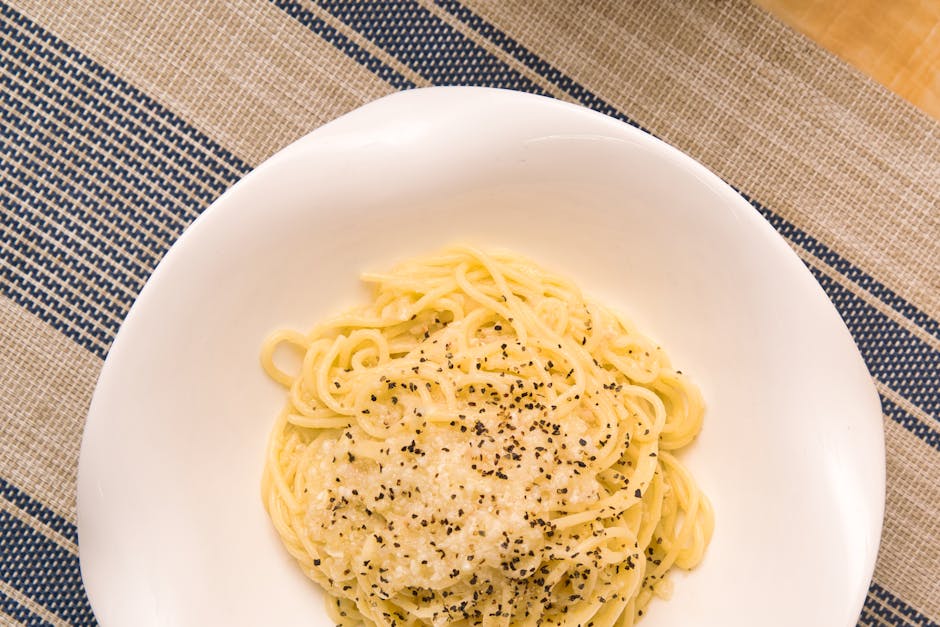
Cacio e Pepe Roast Chicken: A Flavorful Fusion of Italian Simplicity and Roasting Perfection
The Cacio e Pepe Roast Chicken represents a culinary synthesis, ingeniously marrying the minimalist elegance of Roman pasta with the comforting heartiness of a perfectly roasted fowl. This dish isn’t merely a chicken seasoned with Pecorino Romano and black pepper; it’s a meticulously crafted experience where the classic cacio e pepe flavor profile is coaxed into a succulent, golden-brown roast chicken. The core of its appeal lies in its ability to deliver profound flavor with a surprisingly short ingredient list, making it an accessible yet impressive centerpiece for any meal. The technique focuses on leveraging the inherent moisture and richness of the chicken, allowing it to interact with the cacio e pepe elements to create a dish that is both familiar and excitingly new. This approach elevates the humble roast chicken to an artisanal level, appealing to both seasoned home cooks and those venturing into more ambitious culinary territories. The objective is to achieve a crispy skin that shatters with each bite, revealing impossibly tender meat infused with the sharp, salty tang of Pecorino and the pungent warmth of freshly cracked black pepper.
The foundational element of this dish is, of course, the chicken. A whole chicken, typically between three and four pounds, is ideal for this recipe. Its size allows for even cooking and ensures there’s ample meat to absorb the developing flavors. Prior to any seasoning, thorough patting of the chicken’s exterior and interior cavity with paper towels is paramount. This step, often overlooked, is critical for achieving the coveted crispy skin. Moisture is the enemy of crispiness, and removing any residual water allows the skin to render its fat and brown beautifully. The fat content within the skin, when properly heated, transforms into a delightful crackle, a textural counterpoint to the tender meat beneath. While a whole bird is traditional for roasting, larger cuts like bone-in, skin-on chicken thighs or breasts can also be adapted, though cooking times will vary significantly. For the best results, opt for a high-quality, free-range chicken if possible, as these often possess superior flavor and texture.
The cacio e pepe seasoning is where the magic truly begins. The classic trio of Pecorino Romano cheese, black pepper, and the starchy pasta water forms the basis of the Roman dish. For this roast chicken, the cheese is grated finely to ensure it melts and disperses effectively, clinging to the chicken skin and permeating the meat as it cooks. Pecorino Romano, with its sharp, salty, and slightly tangy profile, is non-negotiable. Its distinct flavor is what defines cacio e pepe. While other hard, aged cheeses might offer a similar texture, they will lack the authentic characteristic punch. Freshly cracked black pepper is equally vital. Pre-ground pepper loses its volatile oils and therefore its pungent aroma and flavor. Toasting whole peppercorns lightly before grinding them releases even more of their essential oils, intensifying the peppery bite. The heat from the pepper, combined with the cheese, creates a savory warmth that complements the richness of the chicken.
Applying the seasoning requires a thoughtful approach. A simple coating of olive oil or melted butter on the chicken’s skin is beneficial for adherence and browning. Generous amounts of the grated Pecorino Romano and freshly cracked black pepper are then massaged into the skin, ensuring an even distribution. Some chefs advocate for creating a paste by mixing the cheese and pepper with a small amount of olive oil or rendered chicken fat, which can facilitate a more even and robust coating. A crucial element often borrowed from the pasta preparation is the concept of starchy liquid. While pasta water is readily available for cacio e pepe pasta, for roast chicken, we can simulate this by creating a flavorful pan sauce or basting liquid. This can involve deglazing the roasting pan with white wine or chicken broth and incorporating a touch more Pecorino and pepper. Some recipes also call for stuffing the cavity with aromatics like garlic cloves, lemon halves, and sprigs of rosemary or thyme, which contribute subtle fragrant notes to the chicken as it roasts and can also be used to infuse the pan juices.
The roasting process is a delicate balance of temperature and time to achieve both a crispy exterior and a perfectly cooked, juicy interior. Preheating the oven is essential. A hot oven, typically around 425°F (220°C), is recommended for the initial phase of roasting. This high heat helps to crisp the skin rapidly and render out fat. After the initial blast of heat, the temperature can be lowered to around 375°F (190°C) to allow the chicken to cook through without burning the exterior. The total cooking time will vary depending on the size of the chicken, but a general guideline is about 20 minutes per pound. Internal temperature is the most reliable indicator of doneness. Using a meat thermometer inserted into the thickest part of the thigh (without touching the bone) should register 165°F (74°C). For the most tender and juicy results, it is often recommended to remove the chicken from the oven when it reaches 160-162°F (71-72°C) and allow it to rest for at least 15-20 minutes. The residual heat will continue to cook the chicken to the safe temperature, and the resting period allows the juices to redistribute throughout the meat, preventing them from running out when carved.
The "cacio e pepe" element is further integrated through the creation of a flavorful pan sauce or gravy. As the chicken roasts, its drippings, along with rendered fat, will collect in the bottom of the roasting pan. This flavorful foundation is gold. Once the chicken has rested, the pan can be placed on the stovetop over medium heat. Deglazing the pan with a liquid, such as white wine, chicken broth, or even a splash of water, will lift all the browned bits (fond) from the bottom, incorporating them into the sauce. This liquid can then be thickened slightly, either by simmering it down or by whisking in a slurry of cornstarch or flour and water. The key is to infuse this sauce with additional cacio e pepe flavors. Stirring in a final generous tablespoon or two of finely grated Pecorino Romano and a good pinch of freshly cracked black pepper just before serving will create a creamy, cheesy, and peppery sauce that perfectly complements the roast chicken. The starch from the residual bits in the pan, combined with the cheese, will contribute to a pleasingly emulsified consistency, mimicking the mouthfeel of a classic cacio e pepe pasta sauce.
Variations and enhancements can elevate the Cacio e Pepe Roast Chicken even further. While the core recipe is about simplicity, a few additions can introduce complexity and depth. Infusing the olive oil or butter used to coat the chicken with crushed garlic cloves, a few sprigs of fresh rosemary, or thyme before applying it can add aromatic layers. Some cooks like to add a few thinly sliced garlic cloves directly under the skin of the breast and thighs, allowing them to soften and flavor the meat from within. For a spicier kick, a pinch of red pepper flakes can be incorporated into the cheese and pepper mixture. When deglazing the pan for the sauce, a splash of lemon juice can add brightness and cut through the richness of the cheese and chicken fat. Some adventurous cooks might even experiment with adding a tablespoon of pasta water directly to the pan juices during the deglazing process, further emphasizing the cacio e pepe connection. Another interesting approach involves creating a compound butter with Pecorino Romano, black pepper, and herbs, then rubbing this under the skin of the chicken before roasting.
Serving the Cacio e Pepe Roast Chicken is an exercise in showcasing its inherent elegance. The chicken should be carved into generous portions and arranged on a platter. The warm, emulsified cacio e pepe pan sauce should be generously spooned over the carved chicken. The visual appeal of the golden-brown, crispy skin, contrasted with the glistening sauce, is a testament to the success of the cooking process. This dish pairs beautifully with a variety of sides that complement its robust flavors without overpowering them. Simple roasted vegetables, such as asparagus, broccoli, or Brussels sprouts, are excellent choices. Creamy mashed potatoes or polenta would also be a natural fit, offering a comforting canvas for the cacio e pepe chicken and sauce. A simple green salad with a light vinaigrette can provide a refreshing counterpoint to the richness of the dish. For drinks, a crisp Italian white wine like a Vermentino or a light-bodied red such as a Chianti Classico would be ideal pairings.
The SEO (Search Engine Optimization) benefits of this article stem from the direct and descriptive title, "Cacio e Pepe Roast Chicken," which clearly states the dish’s primary components. The article comprehensively covers all aspects of making this dish, including ingredients, techniques, cooking times, temperatures, and serving suggestions, using relevant keywords such as "roast chicken," "Cacio e Pepe," "Pecorino Romano," "black pepper," "crispy skin," "pan sauce," and "easy recipe." The detailed explanations of each step, from preparing the chicken to making the sauce, provide valuable content that search engines will recognize as informative and authoritative. The inclusion of internal linking opportunities to other related recipes or articles (though not explicitly demonstrated in this text) would further enhance SEO. The structure, with its clear paragraphs addressing distinct aspects of the recipe, also aids readability and search engine crawling. The emphasis on flavor, technique, and the fusion of Italian culinary traditions ensures the article is not only informative but also engaging for users searching for unique and delicious roast chicken recipes. The practical advice on achieving crispy skin and juicy meat addresses common pain points for home cooks, making the article highly relevant and valuable. The discussion of variations caters to a broader audience, including those looking for slightly different flavor profiles. The comprehensive nature of the content aims to answer all potential user queries related to "Cacio e Pepe Roast Chicken" in a single, well-organized article, increasing its chances of ranking highly in search results.
