
5 Best Moves For Stronger Glutes
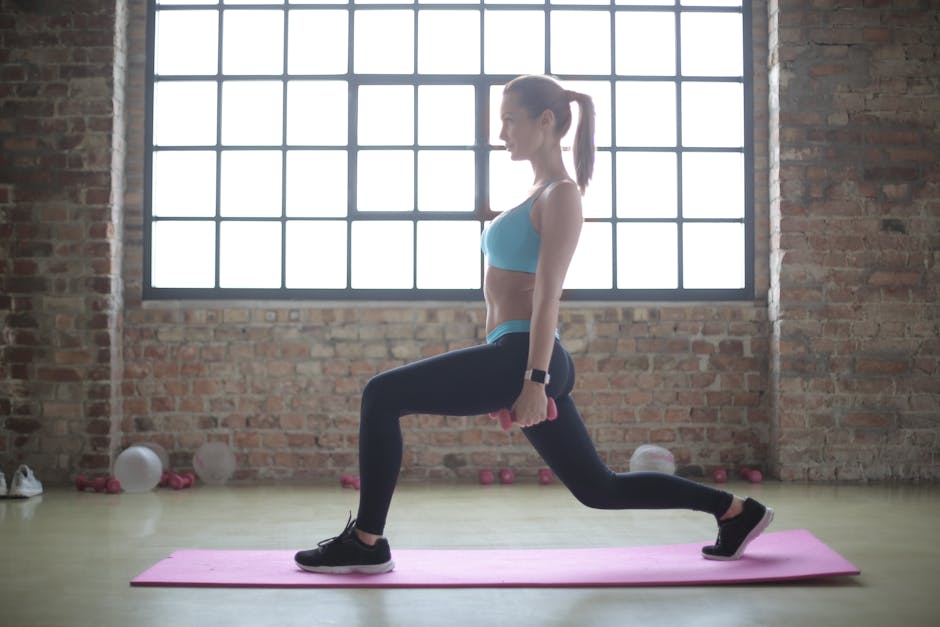
The 5 Best Moves for Unlocking Powerful Glutes
The gluteal muscles, comprising the gluteus maximus, medius, and minimus, are the largest muscle group in the human body and play a crucial role in fundamental movements like walking, running, jumping, and maintaining posture. Developing strong glutes offers a cascade of benefits, extending far beyond aesthetics. Physically, stronger glutes improve athletic performance, enhance balance and stability, reduce the risk of lower back pain and injuries, and contribute to better hip and knee health. They act as a powerhouse for explosive movements and provide essential support for everyday activities. From a biomechanical perspective, the glutes are primary hip extensors, responsible for pushing the body forward. Weak glutes often lead to compensatory patterns, where other muscles, particularly the hamstrings and lower back, are overused, leading to strain and discomfort. Furthermore, well-developed glutes contribute to a more aesthetically pleasing physique, creating a balanced and powerful silhouette. This article will delve into five highly effective exercises that target all three gluteal muscles, providing detailed instructions, variations, and programming tips to maximize your glute development and unlock your glutes’ full potential. Understanding the anatomy and function of each glute muscle is paramount for targeted training. The gluteus maximus is the primary hip extensor and external rotator. The gluteus medius and minimus are responsible for hip abduction (moving the leg away from the midline) and internal/external rotation, and play a critical role in pelvic stability during single-leg movements. This comprehensive approach ensures a well-rounded and effective glute-building program.
1. Barbell Hip Thrusts: The Glute Maximus Kingpin
The barbell hip thrust is widely considered the most effective exercise for directly targeting and hypertrophying the gluteus maximus. Its ability to place direct tension on the glutes at their peak contraction point makes it a superior choice for glute development. The movement involves extending the hips against resistance, mimicking the powerful hip extension required in many athletic activities.
Execution:
- Setup: Sit on the floor with your upper back against a stable bench or box. Roll a padded barbell over your hips, ensuring the pad is comfortable. Position your feet shoulder-width apart, with knees bent at a 90-degree angle. Your shins should be perpendicular to the floor at the top of the movement.
- Execution: Drive through your heels, squeezing your glutes to lift your hips off the floor until your body forms a straight line from your shoulders to your knees. Focus on a powerful contraction at the top. Pause briefly, maintaining tension in your glutes, and then slowly lower your hips back down to the starting position, controlling the descent. Ensure your glutes remain engaged throughout the eccentric (lowering) phase. Avoid hyperextending your lower back at the top; the movement should originate from hip extension.
Variations:
- Single-Leg Hip Thrusts: Performed with one leg extended, this variation increases the load on the working glute and challenges stability.
- Banded Hip Thrusts: Adding a resistance band around your thighs increases glute activation, particularly the gluteus medius and minimus, by forcing you to abduct your hips against the band.
- Smith Machine Hip Thrusts: A good option for beginners or when training alone, as the machine provides stability and control.
Programming for Glute Growth:
- Sets and Reps: For hypertrophy, aim for 3-4 sets of 8-12 repetitions. For strength, you can go lower in reps (4-6) with heavier weight.
- Tempo: Focus on a controlled eccentric phase (2-3 seconds lowering) and a powerful concentric (lifting) phase, with a 1-2 second pause at the peak contraction.
- Frequency: Incorporate hip thrusts 2-3 times per week, allowing for adequate recovery between sessions.
- Progressive Overload: Gradually increase the weight, repetitions, or sets over time. You can also incorporate pauses at the bottom or top of the movement for added time under tension.
Targeting: Primarily gluteus maximus, with significant involvement of hamstrings and adductors as synergists.
SEO Keywords: Hip thrusts, barbell hip thrusts, glute maximus exercise, glute hypertrophy, glute workout, posterior chain, hip extension, strength training, lower body workout.
2. Romanian Deadlifts (RDLs): The Hamstring and Glute Powerhouse
The Romanian Deadlift (RDL) is a hinge movement that effectively targets the posterior chain, with a strong emphasis on both the hamstrings and the gluteus maximus. Its ability to load the muscles through a significant range of motion makes it invaluable for building strength and size in these areas. The RDL teaches proper hip hinging mechanics, which are essential for many athletic movements and injury prevention.
Execution:
- Setup: Stand with your feet hip-width apart, holding a barbell or dumbbells in front of your thighs, palms facing your body. Maintain a slight bend in your knees throughout the entire movement.
- Execution: Hinge at your hips, pushing your glutes backward as if you’re trying to close a car door with your backside. Keep your back straight and neutral, allowing the weight to lower down the front of your thighs. Continue lowering the weight until you feel a deep stretch in your hamstrings and glutes, typically around mid-shin level or just below the knees. Ensure your core is engaged and your spine remains protected. From the stretched position, powerfully drive your hips forward and squeeze your glutes to return to the starting standing position. The movement should be driven by the glutes and hamstrings, not by pulling with the back.
Variations:
- Dumbbell RDLs: Excellent for beginners or those with limited mobility, as dumbbells offer a greater range of motion for some individuals.
- Single-Leg RDLs: This variation significantly challenges balance and proprioception, forcing the gluteus medius and minimus to work overtime for pelvic stability. It also isolates one leg, allowing for greater focus on each side.
- Good Mornings: A more advanced variation that involves standing and hinging at the hips with the barbell on your upper back. Requires excellent core strength and spinal awareness.
Programming for Glute Growth:
- Sets and Reps: For hypertrophy, aim for 3-4 sets of 8-12 repetitions. For strength, consider 3-5 sets of 5-8 repetitions.
- Tempo: Emphasize a controlled eccentric phase (2-4 seconds lowering) to maximize hamstring and glute stretch. The concentric phase should be powerful and driven by glute contraction.
- Frequency: Integrate RDLs 2-3 times per week, allowing for sufficient recovery.
- Progressive Overload: Increase the weight, repetitions, or sets. Focus on improving form and increasing the range of motion over time.
Targeting: Primarily gluteus maximus and hamstrings, with secondary involvement of the erector spinae (lower back muscles) for stabilization.
SEO Keywords: Romanian deadlifts, RDLs, hamstring exercises, glute exercises, posterior chain workout, hip hinge, deadlifts, strength training, lower body strength, glute development.
3. Glute Bridges: Accessible and Effective Glute Activation
The glute bridge is a fundamental exercise that effectively activates and strengthens the glutes, particularly the gluteus maximus. Its simplicity and accessibility make it an excellent starting point for beginners or a valuable warm-up and activation exercise for more advanced trainees. The glute bridge focuses on hip extension and allows for a strong glute squeeze at the top of the movement.
Execution:
- Setup: Lie on your back with your knees bent and feet flat on the floor, hip-width apart. Your arms should be resting by your sides. Ensure your feet are positioned close enough to your glutes to allow for a comfortable hip extension without overextending the lower back.
- Execution: Engage your core and squeeze your glutes to lift your hips off the floor until your body forms a straight line from your shoulders to your knees. Focus on driving through your heels and pressing your hips upward. Hold the contraction at the top for a second or two, maximizing glute engagement. Slowly lower your hips back to the starting position with control, maintaining tension in your glutes. Avoid arching your lower back.
Variations:
- Single-Leg Glute Bridges: By lifting one leg off the ground and extending it, you double the workload on the glute of the supporting leg and improve balance.
- Weighted Glute Bridges: Place a dumbbell, kettlebell, or barbell across your hips for increased resistance. A weight plate can also be used.
- Banded Glute Bridges: Place a resistance band around your thighs, just above your knees. This adds an abduction component, engaging the gluteus medius and minimus to push outward against the band.
Programming for Glute Growth:
- Sets and Reps: For activation, 2-3 sets of 15-20 repetitions. For hypertrophy, 3-4 sets of 10-15 repetitions.
- Tempo: A controlled eccentric and a powerful, squeezed concentric.
- Frequency: Can be performed daily as an activation exercise or 2-3 times per week as a standalone strength/hypertrophy exercise.
- Progressive Overload: Increase repetitions, add weight, or use resistance bands. Focus on achieving a strong glute contraction.
Targeting: Primarily gluteus maximus, with moderate involvement of hamstrings and erector spinae for stabilization. Banded variations increase gluteus medius and minimus activation.
SEO Keywords: Glute bridges, glute activation, glute workout, lower body exercise, beginner glute exercise, hip extension, bodyweight glute exercises, at-home workout, glute strength.
4. Cable Pull-Throughs: Targeted Glute Extension with Controlled Tension
Cable pull-throughs are an excellent exercise for isolating the gluteus maximus and developing hip extension power with continuous tension. They offer a unique loading pattern that can be highly effective for stimulating muscle growth and improving gluteal function. The cable machine allows for a smooth, controlled movement, which can be beneficial for individuals who struggle with the hinging mechanics of RDLs or the range of motion of hip thrusts.
Execution:
- Setup: Stand facing away from a cable machine with a rope attachment. Set the pulley at its lowest setting. Step forward, straddling the rope, so that there is tension on the cable. Your feet should be shoulder-width apart, with a slight bend in your knees. The rope should be between your legs, and you’ll be holding the ends of the rope with both hands.
- Execution: Hinge at your hips, pushing your glutes backward and allowing the rope to slide between your legs. Keep your back straight and core engaged, maintaining a slight bend in your knees. Continue hinging until you feel a stretch in your glutes and hamstrings. From this position, powerfully drive your hips forward, squeezing your glutes to return to the upright standing position. The rope should travel up your thighs. At the top, ensure your glutes are fully contracted. Control the eccentric movement as you hinge back down.
Variations:
- Single-Leg Cable Pull-Throughs: Performed by bringing one leg back and supporting yourself with the other, this variation increases the glute isolation and challenges balance.
- Higher Pulley Setting: Adjusting the pulley height can alter the angle of resistance, potentially emphasizing different parts of the gluteal complex.
Programming for Glute Growth:
- Sets and Reps: For hypertrophy, aim for 3-4 sets of 10-15 repetitions.
- Tempo: Emphasize a controlled eccentric (2-3 seconds lowering) and a powerful, glute-driven concentric contraction.
- Frequency: Incorporate cable pull-throughs 1-2 times per week, as part of a broader glute training program.
- Progressive Overload: Increase the weight on the cable machine, repetitions, or sets. Focus on achieving a strong glute squeeze at the top.
Targeting: Primarily gluteus maximus, with significant hamstring involvement.
SEO Keywords: Cable pull-throughs, glute exercises, hip extension exercise, posterior chain workout, cable machine workout, gluteus maximus, hamstring isolation, strength training, lower body hypertrophy.
5. Bulgarian Split Squats: Unilateral Strength and Glute Medius/Minimus Activation
The Bulgarian split squat is a challenging unilateral (single-leg) exercise that builds significant strength, balance, and stability while intensely targeting the glutes, quadriceps, and hamstrings. Crucially, it also places a strong emphasis on the gluteus medius and minimus due to the need for pelvic stabilization throughout the movement. This makes it a comprehensive lower body builder.
Execution:
- Setup: Stand in front of a bench or box, approximately 2-3 feet away. Place the top of one foot on the bench behind you, laces down. Your front foot should be positioned far enough forward so that when you lower your hips, your knee is directly over your ankle or slightly in front.
- Execution: Lower your hips down by bending your front knee and hip. Keep your torso upright and core engaged. Descend until your front thigh is parallel to the floor or your knee gently touches the floor. The back leg should bend, but the primary work is done by the front leg. Drive through the heel of your front foot to return to the starting position, squeezing your glutes at the top. Maintain balance and control throughout the entire movement.
Variations:
- Dumbbell Bulgarian Split Squats: Holding dumbbells in each hand increases the overall load and challenges balance further.
- Kettlebell Bulgarian Split Squats: Similar to dumbbell variations, offering a different grip and feel.
- Bodyweight Bulgarian Split Squats: An excellent starting point to master the form before adding external resistance.
- Pistol Squat Progressions: For advanced athletes, the Bulgarian split squat can be a stepping stone towards the challenging pistol squat.
Programming for Glute Growth:
- Sets and Reps: For hypertrophy, aim for 3-4 sets of 8-12 repetitions per leg. For strength, 3-5 sets of 5-8 repetitions per leg.
- Tempo: Focus on a controlled eccentric phase (2-3 seconds lowering) and a powerful concentric phase driven by the glute and quad of the front leg.
- Frequency: Incorporate Bulgarian split squats 1-2 times per week, as they are very demanding.
- Progressive Overload: Increase the weight, repetitions, or sets. Focus on improving depth and control.
Targeting: Primarily gluteus maximus, quadriceps, and hamstrings. The gluteus medius and minimus are heavily engaged for pelvic stability.
SEO Keywords: Bulgarian split squats, unilateral exercises, single leg exercises, glute exercises, quad exercises, hamstring exercises, balance training, leg workout, strength training, gluteus medius, gluteus minimus.
Conclusion
Integrating these five exercises – Barbell Hip Thrusts, Romanian Deadlifts, Glute Bridges, Cable Pull-Throughs, and Bulgarian Split Squats – into your training regimen will provide a comprehensive and highly effective approach to building strong, powerful glutes. Remember to prioritize proper form, consistent progressive overload, and adequate recovery to maximize your results. By targeting the gluteus maximus, medius, and minimus through a variety of movement patterns and resistance profiles, you will not only enhance your athletic performance and physical capabilities but also contribute to improved posture, reduced injury risk, and a more aesthetically balanced physique. Consistency and dedication are key to unlocking the full potential of your gluteal muscles.
