
Easy Baked Pear Chips
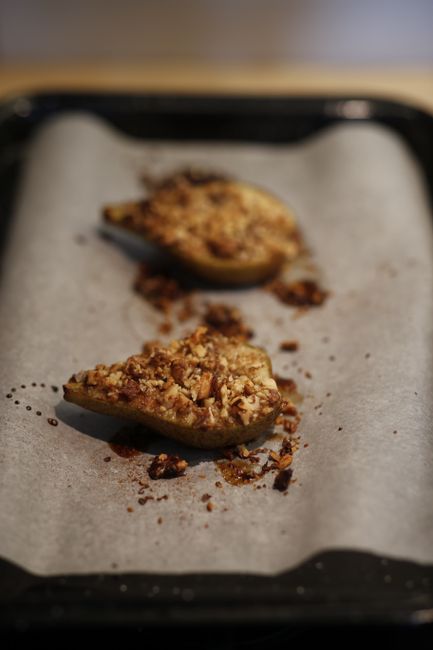
Crispy, Healthy & Incredibly Easy Baked Pear Chips: A Step-by-Step Guide to a Wholesome Snack
Baked pear chips offer a delightful alternative to processed, high-sugar snacks, providing a naturally sweet, satisfying crunch with minimal effort. This guide will walk you through the simple process of transforming fresh pears into delicious, wholesome chips that are perfect for everyday enjoyment, as a unique addition to cheese boards, or as a healthy treat for children. The inherent sweetness of ripe pears, when subjected to gentle, low-temperature baking, concentrates their natural sugars, resulting in a caramelized, crispy texture without the need for added sweeteners. This makes baked pear chips a guilt-free indulgence, rich in dietary fiber and essential vitamins. The versatility of this recipe allows for experimentation with different pear varieties, each lending its unique flavor profile and texture to the finished product. Whether you opt for the crisp, slightly tart Anjou, the buttery, sweet Bartlett, or the firm, aromatic Bosc, the outcome is consistently delicious. Beyond their simple deliciousness, pear chips are incredibly easy to make, requiring only a few basic kitchen tools and ingredients. This accessibility makes them an ideal recipe for beginner bakers or those seeking quick, healthy snack solutions.
The foundation of perfect baked pear chips lies in the selection of ripe, yet firm, pears. Overripe pears will become mushy during the baking process, while underripe pears may lack the necessary sweetness and will not caramelize effectively. Aim for pears that yield slightly to gentle pressure but still hold their shape. Varieties like Anjou, Bartlett, and Bosc are excellent choices due to their balanced sweetness and texture. The Anjou pear, with its mild sweetness and slight tartness, bakes into a chip with a pleasant complexity. Bartlett pears, known for their buttery texture and pronounced sweetness, create a richer, more intensely flavored chip. Bosc pears, with their distinctive elongated shape and slightly gritty texture, offer a more robust pear flavor and a firmer, chewier chip that many find appealing. When slicing the pears, uniformity is key to ensuring even drying and consistent crispness. Using a mandoline slicer is highly recommended for achieving paper-thin, consistent slices. If a mandoline is unavailable, a very sharp knife and a steady hand can achieve a similar result, though it may require more practice. The goal is to have slices that are approximately 1/16 to 1/8 inch thick. Thicker slices will take longer to bake and may not achieve the desired crispness, while overly thin slices can burn quickly. Preheating your oven to a low temperature, typically between 200°F and 250°F (93°C to 121°C), is crucial. This low heat allows the moisture to evaporate slowly without cooking the pear flesh too rapidly, preventing burning and promoting dehydration for maximum crispness.
Preparation of the pears involves a few simple yet impactful steps that enhance both flavor and longevity. Begin by washing the pears thoroughly under cool running water and gently patting them dry. Once dry, core the pears. This can be done before or after slicing, depending on your preference. If coring before slicing, use a paring knife or an apple corer. If coring after slicing, you can carefully cut out the core from each individual slice, or use a small, round cookie cutter to remove the core from the center of each slice. This step is important as the core can introduce a slightly tougher texture and is not as appealing in the finished chip. After slicing and coring, arrange the pear slices in a single layer on parchment paper-lined baking sheets. It is imperative to ensure the slices do not overlap. Overlapping will trap moisture, leading to uneven drying and a higher likelihood of steaming rather than baking, resulting in a less crispy product. Parchment paper is essential for preventing sticking and facilitating easy removal of the baked chips. The choice of parchment paper over aluminum foil or silicone baking mats is due to its non-stick properties and even heat distribution, which aids in achieving uniformly crisp edges.
While pears are naturally sweet, a light brushing of neutral oil or a sprinkle of cinnamon can elevate their flavor profile. A minimal amount of neutral oil, such as canola or vegetable oil, can help with browning and crisping, though it is not strictly necessary. If using oil, a light coating applied with a pastry brush is sufficient; avoid over-oiling, which can make the chips greasy. For those seeking added warmth and spice, a sprinkle of ground cinnamon is a classic pairing with pears. Other spices that complement pears beautifully include a pinch of nutmeg, a dash of cardamom, or even a hint of ground ginger. These spices can be mixed with a small amount of granulated sugar (optional) before dusting the pear slices for a more even distribution. However, for the purest pear flavor and maximum health benefits, omitting any added sugar or oil is a perfectly viable and delicious option. Consider this a foundational recipe that can be customized to your taste preferences. The key is to season lightly, allowing the natural sweetness of the pear to shine through.
The baking process is where patience and low temperatures become your allies in achieving perfectly crisp pear chips. Place the prepared baking sheets into the preheated oven. The baking time will vary depending on the thickness of your pear slices, the specific pear variety, and the precise temperature of your oven. Generally, baking can take anywhere from 1.5 to 3 hours. It is essential to monitor the chips closely throughout the baking process, especially towards the end. Rotate the baking sheets every 30 to 45 minutes to ensure even drying and prevent any edges from burning. The pears are ready when they are dry to the touch, slightly shrunken, and have a leathery or brittle texture, depending on your desired level of crispness. They should not be soft or pliable. If you prefer a very brittle chip, you can bake them for a slightly longer period, or even turn off the oven during the last 30 minutes and leave the chips inside to cool and continue to dry out. The visual cue is the edges beginning to curl slightly and a deepening of their color. Avoid the temptation to increase the oven temperature to speed up the process; this will almost certainly lead to burnt edges and undercooked centers.
Once baked to your desired crispness, remove the pear chips from the oven. They will continue to crisp up as they cool. Allow them to cool completely on the baking sheets. As they cool, they will firm up and become delightfully crunchy. If after cooling they are not as crispy as you would like, they can be returned to the oven for another 15-30 minutes at the same low temperature. Proper storage is crucial to maintaining the crispness of your homemade pear chips. Once completely cooled, transfer them to an airtight container. Storing them in a cool, dry place at room temperature will help preserve their texture for several days, often up to a week. If your environment is particularly humid, consider placing a food-grade desiccant packet in the storage container to absorb any excess moisture and further extend their shelf life and crispness. Avoid refrigerating them, as the moisture in the refrigerator can cause them to soften and lose their crisp texture.
The SEO value of this article is enhanced through the strategic use of keywords such as "baked pear chips," "easy pear chips," "healthy snack," "homemade chips," "fruit chips," "low-sugar snack," "gluten-free snack," and "vegan snack." The detailed, step-by-step instructions, coupled with information on ingredient selection, preparation techniques, and storage, provide comprehensive content that search engines favor. The inclusion of variations and tips further adds depth and utility, making the article a valuable resource for users searching for this specific recipe or for healthy snack alternatives. The title itself is keyword-rich and directly addresses the user’s intent. By offering practical, actionable advice, the article aims to rank highly for relevant search queries, attracting a broad audience interested in wholesome, homemade snacks. The emphasis on the ease of preparation and the health benefits positions baked pear chips as an attractive option for a wide demographic, from health-conscious individuals to parents looking for nutritious treats for their families. The detailed description of the baking process, including temperature recommendations and monitoring techniques, addresses potential user concerns and ensures a successful outcome. The discussion of different pear varieties adds another layer of helpful information, catering to users who may have specific preferences or access to certain types of produce. The inclusion of flavor variations and storage tips further increases the article’s comprehensiveness and appeal.
Beyond the basic recipe, consider experimenting with additional flavor profiles to create even more exciting baked pear chip variations. For a touch of warmth and spice, a light dusting of ground ginger or cardamom can be added alongside or instead of cinnamon. A blend of cinnamon and nutmeg creates a classic autumn flavor reminiscent of apple pie. For a more savory twist, although less common for pear chips, a very light sprinkle of sea salt can enhance the natural sweetness. However, this is best reserved for those who appreciate a sweet and salty contrast. For a more complex flavor, consider a hint of chili powder for a sweet and spicy kick, a combination that can be surprisingly addictive. Another interesting variation involves a light brush of honey or maple syrup before baking; while this adds sweetness, it also increases the likelihood of caramelization and can create a stickier, chewier chip. Be mindful that adding liquid sweeteners will also increase the baking time and the risk of burning. For those who enjoy a citrusy note, a light zest of orange or lemon can be incorporated into the spice mix. The key is to use these additions sparingly, allowing the pear flavor to remain dominant. Always test a small batch with any new flavor combinations to ensure they meet your expectations before preparing a large quantity. This iterative approach to recipe development ensures a delightful and personalized outcome.
The nutritional benefits of homemade baked pear chips are substantial, especially when compared to commercially produced snacks. Pears are a good source of dietary fiber, which is crucial for digestive health, promoting satiety, and helping to regulate blood sugar levels. Fiber can also contribute to lower cholesterol levels. They contain essential vitamins, including Vitamin C, which acts as an antioxidant and supports immune function, and Vitamin K, which plays a role in blood clotting and bone health. While the exact nutritional content will vary based on the pear variety and any added ingredients, generally speaking, baked pear chips are a low-calorie, low-fat, and nutrient-dense snack. Their natural sweetness means they do not require added sugars, making them an excellent choice for individuals managing their sugar intake, including those with diabetes or those following a low-carbohydrate diet. For individuals seeking gluten-free or vegan snack options, baked pear chips are naturally compliant, offering a healthy and satisfying alternative to many processed snacks that often contain gluten or animal-derived ingredients. The simple ingredients and straightforward preparation method underscore their wholesome nature. By opting for baked pear chips, consumers are making a conscious choice to nourish their bodies with natural goodness. This aspect is particularly appealing in today’s health-conscious market, where consumers are increasingly seeking out whole, unprocessed foods.
Finally, the appeal of baked pear chips extends beyond their health benefits and ease of preparation; they are incredibly versatile. Serve them as a standalone snack for a mid-afternoon energy boost or a post-workout treat. Arrange them on a cheese board alongside a selection of cheeses, nuts, and crackers for a sophisticated and visually appealing appetizer. They pair exceptionally well with sharp cheddars, creamy brie, or tangy goat cheese. Crumble them over yogurt or oatmeal for added texture and natural sweetness. Incorporate them into trail mix for a healthy and portable snack. They can even be used as a decorative element on cakes, pies, or other baked goods, adding a unique crunch and visual interest. For children, pear chips offer a fun and appealing way to consume fruit, encouraging healthier snacking habits from a young age. Their natural sweetness and satisfying crunch make them a winner with even the pickiest eaters. The simplicity of the recipe allows for easy scaling, making it suitable for preparing a large batch for gatherings or for stocking up on healthy snacks for the week. The enduring appeal of this humble fruit, transformed into a crispy delight, lies in its ability to satisfy cravings in a wholesome and delicious manner.
