
Whats The Easiest Exercise You Can Do And Still Lose Weight
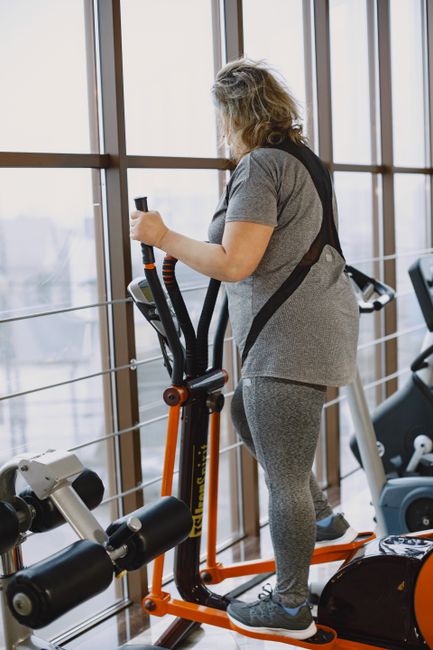
The Easiest Exercise You Can Do to Lose Weight: Walking and Its Power
Forget grueling gym sessions and punishing cardio routines. The reality of effective weight loss often lies in simplicity and sustainability. For many, the easiest exercise they can incorporate into their lives and still see significant results is walking. This readily accessible, low-impact activity offers a surprisingly potent pathway to shedding unwanted pounds, improving cardiovascular health, and boosting overall well-being, all without demanding extreme effort or specialized equipment. Its beauty lies in its adaptability, its inclusivity, and its inherent ability to become a natural part of a daily rhythm.
The fundamental principle behind weight loss is achieving a caloric deficit: burning more calories than you consume. Exercise plays a crucial role in this equation by increasing the number of calories burned. While high-intensity activities might torch calories at a faster rate per minute, their demanding nature can be a significant barrier to consistency. Walking, however, offers a sustainable calorie burn that can be accumulated over longer durations and more frequently throughout the week. A brisk walk, for instance, can burn a substantial amount of calories, and the longer you walk, the more calories you expend. Consider a person weighing 150 pounds. A moderate-paced walk of 30 minutes can burn approximately 100-150 calories. Over the course of a week, consistent daily walks of this duration can contribute to a significant calorie deficit, translating directly into weight loss. The key is not necessarily the intensity of each individual walk, but the regularity and duration.
One of the primary reasons walking is so effective for weight loss is its accessibility and low barrier to entry. Unlike running, swimming, or cycling, walking requires no special equipment beyond a comfortable pair of shoes. It can be done anywhere – in your neighborhood, at a local park, on a treadmill, or even around your office during breaks. This ubiquitous nature makes it incredibly easy to integrate into a busy lifestyle. You don’t need to dedicate an hour to a gym session; instead, you can break your walking into smaller, manageable chunks throughout the day. A 15-minute walk after breakfast, another 15 minutes during your lunch break, and a 30-minute stroll in the evening can easily add up to an hour or more of walking daily. This "exercise snacking" approach is often more sustainable and less intimidating for beginners, making it the easiest exercise to start and stick with.
Beyond direct calorie expenditure, walking also plays a vital role in boosting metabolism. While the metabolic boost from a single walking session might not be as dramatic as that from high-intensity interval training, consistent walking can lead to a sustained increase in your resting metabolic rate over time. This means your body burns more calories even when you’re not actively exercising. Furthermore, walking helps build lean muscle mass, particularly in the legs and glutes. Muscle tissue is metabolically active, meaning it burns more calories at rest than fat tissue. While walking won’t build bulk like heavy weightlifting, the cumulative effect of regular walking on muscle tone and strength contributes to a more efficient metabolism, further aiding in weight loss efforts.
The mental health benefits of walking are also intrinsically linked to its weight loss potential. The stress and anxiety associated with restrictive diets and overwhelming exercise regimes can often lead to emotional eating and a lack of motivation. Walking is a natural mood booster, releasing endorphins that reduce stress, improve mood, and combat feelings of depression. By making exercise enjoyable and less of a chore, walking fosters a positive relationship with physical activity. This improved mental state can lead to better dietary choices, increased adherence to weight loss plans, and a greater sense of overall control, all of which are crucial for long-term success. When exercise feels good and is easy to do, you’re more likely to make it a consistent part of your life, which is the most critical factor for sustained weight loss.
To maximize the weight loss benefits of walking, consistency and progression are key. Start with a manageable duration and intensity that feels comfortable. If you’re new to exercise, begin with 15-20 minute walks at a moderate pace, 3-4 times a week. As you build endurance and stamina, gradually increase the duration of your walks, aiming for at least 30 minutes most days of the week. Once you can comfortably walk for 30-45 minutes, consider increasing the intensity by incorporating inclines (hills) or picking up your pace to a brisk walk. A brisk walk is defined as a pace where you can talk but not sing. Incorporating interval training into your walking routine can further amplify calorie burn. This involves alternating between periods of faster walking or power walking and periods of slower recovery walking. For example, you could power walk for 2 minutes, followed by 1 minute of recovery walking, repeating this cycle for your desired duration.
The nutritional component of weight loss cannot be overstated, and walking complements a healthy diet perfectly. While exercise burns calories, dietary intake accounts for the majority of weight loss. Combining consistent walking with a balanced, calorie-controlled diet will yield the most significant and sustainable results. Focus on whole, unprocessed foods, lean proteins, fruits, vegetables, and healthy fats. Avoid sugary drinks, excessive processed snacks, and large portion sizes. Walking helps to create a more pronounced caloric deficit, allowing for a greater degree of flexibility within your dietary choices, making it easier to stay within your target calorie range for weight loss. The psychological boost from a good walk can also empower you to make healthier food decisions.
Consider the practical applications of making walking your primary exercise. For busy professionals, walking meetings can replace sedentary discussions. For parents, stroller walks in the park offer a double benefit: exercise for the parent and fresh air for the child. For those who work from home, dedicating time for a mid-morning or afternoon walk can break up the workday and provide a much-needed mental and physical reset. Even small bursts of walking, such as taking the stairs instead of the elevator or parking further away from your destination, contribute to your daily calorie expenditure. These seemingly minor adjustments, when done consistently, add up significantly over time and reinforce the idea that walking is indeed the easiest and most accessible form of exercise for weight loss.
Furthermore, the long-term health benefits of regular walking extend far beyond weight management. It significantly reduces the risk of chronic diseases such as heart disease, type 2 diabetes, and certain types of cancer. It improves blood pressure, cholesterol levels, and bone density. It enhances cognitive function and can help prevent or manage age-related cognitive decline. By choosing an exercise that is sustainable and enjoyable, you are investing in not only your current weight loss goals but also your future health and vitality. The ease and accessibility of walking make it a powerful tool for lifelong well-being, proving that the simplest solutions are often the most effective.
In conclusion, while many forms of exercise contribute to weight loss, walking stands out as the easiest and most sustainable option for a vast majority of people. Its low barrier to entry, minimal equipment requirements, and inherent adaptability make it an exercise that can be easily integrated into virtually any lifestyle. By focusing on consistency, gradually increasing duration and intensity, and pairing it with a healthy diet, walking becomes a potent engine for shedding pounds, improving cardiovascular health, and enhancing overall well-being. It’s not about extreme measures; it’s about consistent, accessible movement that fuels your body and mind, proving that the path to a healthier you can be as simple as putting one foot in front of the other.
