
Baked Egg Cups With Garlic Toast
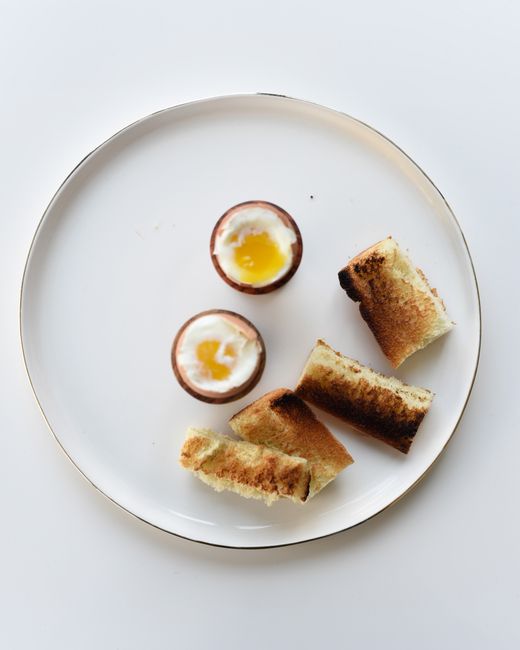
Baked Egg Cups with Garlic Toast: A Versatile and Savory Breakfast and Brunch Essential
Baked egg cups, often referred to as mini frittatas or individual quiches, represent a triumph of simplicity and flavor, offering a highly adaptable breakfast and brunch solution. Their inherent portability, customizable nature, and impressive visual appeal make them a go-to option for busy weekdays and leisurely weekend gatherings alike. The true magic of baked egg cups lies in their ability to act as edible vessels, perfectly cradling a symphony of ingredients that complement the rich, creamy texture of baked eggs. When paired with a side of crisp, aromatic garlic toast, this combination transforms from a mere meal into a complete sensory experience, delivering satisfying protein, healthy fats, and irresistible carbohydrates in every bite. This article will delve into the multifaceted world of baked egg cups, exploring their foundational components, an extensive array of filling possibilities, the nuances of the baking process, and the perfect complementary garlic toast recipes, all while providing SEO-friendly insights for content creators and home cooks seeking to master this culinary delight.
The fundamental structure of a baked egg cup is elegantly straightforward. It begins with a base of whisked eggs, typically whole eggs for richness and flavor, although a blend of whole eggs and egg whites can be employed to reduce fat content without significantly compromising texture. The ratio of eggs to other liquid ingredients is crucial for achieving the desired consistency. A common starting point involves about two to three eggs per muffin tin cavity, with a tablespoon or two of milk, cream, or even unsweetened plant-based milk to introduce a subtle moisture and tenderness. Seasoning is paramount; salt and freshly ground black pepper are the non-negotiable foundations, but a pinch of red pepper flakes can introduce a subtle warmth, while a sprinkle of dried herbs like chives, parsley, or oregano can add aromatic depth. The key is to whisk the egg mixture thoroughly until uniformly combined and slightly frothy, which incorporates a small amount of air, contributing to a lighter, fluffier final product. Some recipes advocate for adding a tablespoon of grated cheese directly into the egg mixture, which further enhances flavor and creates delightful cheesy pockets within the baked egg cup.
The true artistry of baked egg cups emerges from the boundless potential of their fillings. This is where creativity can truly shine, allowing for a diverse range of flavor profiles and dietary accommodations. For a classic and widely appealing option, consider a combination of sautéed vegetables and cheese. Finely diced onions, bell peppers (any color), mushrooms, and spinach are excellent choices. Sautéing these vegetables beforehand is a critical step; it not only softens them but also removes excess moisture, preventing the egg cups from becoming watery. A brief sauté in olive oil or butter with a pinch of salt and pepper is all that is required. Once softened, these vegetables can be distributed evenly into the muffin tin cavities, forming the flavorful base for the egg mixture.
Beyond the foundational vegetable medley, the world of baked egg cup fillings expands exponentially. For a protein-packed and savory delight, consider incorporating cooked meats. Crumbled bacon or breakfast sausage, pre-cooked and drained, adds a salty, smoky dimension that is universally loved. Diced ham or shredded cooked chicken can also be excellent additions, offering a lean protein boost. For a more sophisticated brunch, smoked salmon, flaked and gently mixed with the vegetables, provides a luxurious and omega-rich element.
Cheese, of course, plays a starring role in many baked egg cup recipes. Sharp cheddar, Monterey Jack, Gruyère, feta, goat cheese, and Parmesan are all excellent choices, offering distinct flavor profiles that can be tailored to individual preferences. The type of cheese chosen will significantly influence the overall taste and texture of the egg cup, with harder cheeses like cheddar melting and browning beautifully, while softer cheeses like goat cheese can offer a creamier, tangier experience.
For vegetarian and vegan variations, the possibilities are equally vast. Tofu scramble, seasoned with turmeric for color and nutritional yeast for a cheesy flavor, can serve as a substantial and protein-rich base. Roasted vegetables, such as sweet potatoes, Brussels sprouts, or broccoli florets, add a caramelized sweetness and satisfying chew. Legumes, like black beans or chickpeas, can also be incorporated for added fiber and protein. For vegan egg cups, a combination of silken tofu, plant-based milk (like cashew or soy), and black salt (kala namak) to impart an eggy flavor is a common and effective strategy. Nutritional yeast is indispensable for achieving a savory, cheesy undertone in vegan recipes.
The culinary landscape of baked egg cups is not limited to traditional breakfast ingredients. One can venture into global flavor profiles with inspired combinations. For a Mediterranean twist, consider crumbled feta cheese, Kalamata olives, sun-dried tomatoes, and a sprinkle of dried oregano. An Italian-inspired version could feature sautéed zucchini and bell peppers, mozzarella cheese, and a touch of basil. For a spicier kick, jalapeños and pepper jack cheese can be incorporated. The key is to ensure all fillings are either pre-cooked or very finely diced to ensure they cook through evenly within the egg mixture.
The baking process for egg cups is designed for efficiency and consistency. A standard 12-cup muffin tin is the ideal vessel, greased generously with cooking spray or butter to prevent sticking. Some individuals prefer to line the muffin tin with silicone cupcake liners or parchment paper for even easier cleanup and added insurance against sticking. The prepped filling ingredients are distributed into the greased cavities, ensuring they don’t overfill, as the egg mixture will expand slightly during baking. The whisked egg mixture is then carefully poured over the fillings, filling each cavity to about three-quarters full. Overfilling can lead to overflow and a messy baking sheet.
The oven temperature is crucial for achieving perfectly cooked egg cups. A moderate oven temperature, typically between 350°F (175°C) and 375°F (190°C), is recommended. Baking time will vary depending on the size of the muffin tin cavities and the density of the fillings, but generally ranges from 18 to 25 minutes. The egg cups are ready when the edges are set and lightly golden, and the center is firm but still has a slight wobble. Overbaking can result in dry, rubbery eggs, so it’s important to monitor them closely towards the end of the baking cycle. A toothpick inserted into the center should come out clean.
Allowing the baked egg cups to cool slightly in the muffin tin for about 5-10 minutes before attempting to remove them is a critical step. This allows them to set further and makes them easier to extract without breaking. A small offset spatula or a butter knife can be used to gently loosen the edges if needed. Once removed from the tin, they can be served immediately or stored for later consumption. Baked egg cups are remarkably versatile for meal prep, as they can be made ahead of time and reheated in a microwave or a toaster oven.
Complementing the savory richness of baked egg cups, garlic toast stands as an iconic and universally appreciated accompaniment. Its simplicity belies its powerful flavor contribution, providing a crunchy, aromatic counterpoint that elevates the entire meal. The foundation of excellent garlic toast is good quality bread. A rustic baguette, a hearty sourdough, or even thick-sliced challah bread are excellent choices, offering a sturdy base that can withstand the garlic and butter mixture without becoming soggy.
The magic of garlic toast lies in its preparation. Fresh garlic is paramount; pre-minced garlic from a jar often lacks the pungent vibrancy of freshly crushed or minced cloves. For the most intense flavor, rub a clove of garlic directly onto the toasted bread, or mince several cloves very finely and incorporate them into softened butter. A common ratio is one to two cloves of garlic per slice of bread, depending on personal preference.
Softened unsalted butter is the preferred medium for infusing garlic flavor. The butter should be at room temperature, allowing it to spread evenly. Combining the minced garlic with the softened butter, a pinch of salt, and a generous grinding of black pepper creates the signature garlic butter spread. Some variations include finely chopped fresh parsley or chives mixed into the butter for added freshness and color. A small amount of olive oil can also be added to the butter mixture to improve spreadability and add a subtle richness.
The bread is typically sliced to a desired thickness, usually around half an inch to an inch. The garlic butter is then generously spread over one side of each slice. The bread can then be toasted in several ways. Broiling is a popular method for achieving quick, even browning and a crispy texture. The garlic butter-coated bread is placed on a baking sheet under a preheated broiler, watching it very carefully to prevent burning, as it can go from golden to blackened in mere seconds. Alternatively, the bread can be toasted in a toaster oven or baked in a preheated oven at a higher temperature, around 400°F (200°C), for a few minutes until golden and crispy.
For an extra layer of flavor and indulgence, cheese can be added to garlic toast. A sprinkle of grated Parmesan cheese over the garlic butter before toasting creates a delightful cheesy crust. Mozzarella or a blend of Italian cheeses can also be used for a more pronounced cheesy effect.
The synergy between baked egg cups and garlic toast is undeniable. The creamy, savory egg cups, packed with customizable fillings, provide a satisfying protein and vegetable base, while the crisp, garlicky toast offers a delightful textural contrast and an irresistible burst of flavor. This pairing is ideal for a range of occasions, from a quick weekday breakfast to a leisurely weekend brunch. The SEO-friendly aspects of this culinary combination lie in its inherent searchability. Keywords such as "baked egg cups recipe," "mini frittata," "breakfast muffins," "garlic toast recipe," "easy brunch ideas," "meal prep breakfast," and "low carb breakfast options" (depending on filling choices) are all relevant and frequently searched terms. By incorporating these keywords naturally within descriptive content about the ingredients, preparation methods, and variations, content creators can significantly enhance the visibility of their articles and recipes. The adaptability of baked egg cups, catering to various dietary needs and flavor preferences, further broadens their appeal and the potential for organic search traffic.
In conclusion, baked egg cups paired with garlic toast represent a culinary cornerstone for any kitchen. Their inherent simplicity, vast customization potential, and delicious flavor profiles make them an enduringly popular choice for breakfast and brunch. From the foundational elements of whisked eggs and carefully selected fillings to the art of achieving perfectly baked results and the irresistible crunch of homemade garlic toast, this combination offers a satisfying and memorable dining experience. The strategic use of relevant keywords and detailed recipe instructions ensures that this versatile duo can be easily discovered and replicated by home cooks and culinary enthusiasts alike.
