
Skillet Spanish Chicken Rice
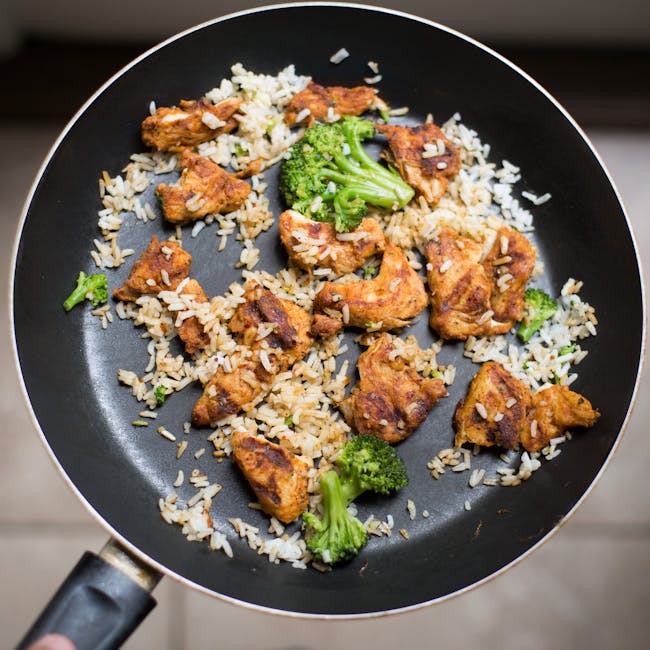
Skillet Spanish Chicken and Rice: A Flavorful, One-Pan Wonder for Every Table
Skillet Spanish chicken and rice, often referred to as Arroz con Pollo in its authentic Latin American and Spanish iterations, is a universally beloved comfort food characterized by its simplicity, vibrant flavors, and remarkable ease of preparation. This one-pan meal eliminates the need for multiple pots and pans, streamlining the cooking process and minimizing cleanup, a significant advantage for busy weeknights or casual entertaining. At its core, the dish features tender pieces of chicken, typically bone-in and skin-on for maximum flavor and moisture, simmered alongside fluffy rice in a savory broth infused with aromatic vegetables, tomatoes, and a medley of spices. The resulting dish is a symphony of textures and tastes, with the succulent chicken yielding to the fork, the rice perfectly cooked and imbued with the chicken’s juices, and the vegetables adding pops of sweetness and earthiness. This comprehensive guide will delve into the intricacies of creating a superior skillet Spanish chicken and rice, covering ingredient selection, essential techniques, flavor-building strategies, and variations to cater to diverse palates and dietary needs. Optimizing this dish for search engines involves employing relevant keywords throughout, such as "Spanish chicken rice," "Arroz con Pollo recipe," "one-pan chicken and rice," "easy skillet dinner," "weeknight meal," "Latin American cuisine," and "Spanish flavors."
The foundation of any excellent skillet Spanish chicken and rice lies in the quality of its ingredients. Chicken, the star protein, benefits greatly from bone-in, skin-on cuts. Thighs and drumsticks are particularly well-suited due to their higher fat content, which renders down during cooking, imparting rich flavor and ensuring the meat remains incredibly moist. While bone-in chicken offers superior taste, boneless, skinless thighs or breasts can be used for a quicker cooking time and leaner option, though they may require slightly adjusted cooking times to prevent drying out. The rice is the supporting act, and long-grain white rice, such as Basmati or Jasmine, is generally preferred for its ability to absorb liquid and remain distinct rather than becoming mushy. Medium-grain rice is also a viable option. Sofrito, the aromatic base of many Spanish and Latin American dishes, is crucial for developing deep flavor. This typically consists of finely diced onions, bell peppers (red and green are classic choices for their sweetness and slight bitterness, respectively), and garlic. The quality of the tomatoes used also significantly impacts the final dish. Canned diced tomatoes, fire-roasted diced tomatoes, or even crushed tomatoes can be employed to provide acidity and depth. For the liquid component, chicken broth or stock is paramount. Low-sodium versions allow for greater control over the final saltiness of the dish. White wine, such as a dry Sauvignon Blanc or Pinot Grigio, can be added before the broth to deglaze the pan and introduce a subtle complexity.
The technique of searing the chicken first is a non-negotiable step for achieving optimal flavor and texture in skillet Spanish chicken and rice. Browning the chicken pieces in a hot skillet, typically with olive oil or a neutral cooking oil, develops a rich, caramelized crust through the Maillard reaction. This process not only enhances the visual appeal of the dish but also locks in moisture and contributes a depth of flavor that cannot be replicated if the chicken is added raw to the simmering liquid. Once the chicken is browned on all sides, it’s removed from the skillet to allow for the development of the sofrito. The residual fat and browned bits left in the pan are invaluable flavor carriers. Sautéing the diced onions and bell peppers in this flavorful foundation until they are softened and translucent allows them to absorb the remnants of the chicken’s essence. Next, the minced garlic is added and cooked for just a minute or two until fragrant, taking care to prevent it from burning, which would introduce a bitter note. The addition of spices is where the "Spanish" element truly shines. Smoked paprika (pimentón) is a hallmark ingredient, providing a distinct smoky, slightly sweet, and earthy flavor. Saffron, while a more luxurious and expensive addition, lends its unparalleled golden hue and delicate floral aroma, creating a truly authentic Arroz con Pollo experience. Cumin adds warmth and a hint of earthiness, while oregano contributes a savory, herbaceous note. A pinch of cayenne pepper or red pepper flakes can be incorporated for a touch of heat, catering to individual preferences.
After the sofrito has been cooked and the spices have bloomed in the hot fat, it’s time to introduce the rice. Toasting the rice briefly in the skillet before adding the liquid is another crucial step that enhances its texture and prevents it from becoming clumpy. This short sauté helps to dry out the surface of the rice grains, allowing them to absorb the cooking liquid more evenly and maintain their individual integrity. The deglazing liquid, whether it’s white wine or just a splash of broth, is then added, scraping up any browned bits from the bottom of the pan to incorporate all that concentrated flavor into the dish. The chicken broth is poured in, followed by the diced tomatoes. The browned chicken pieces are then returned to the skillet, nestled into the rice and liquid mixture. Ensuring the chicken is partially submerged in the liquid is important for even cooking and moisture infusion. The skillet is brought to a simmer, then covered tightly, and the heat is reduced to low. This gentle simmering allows the rice to absorb the flavorful liquid, cook through, and become tender, while the chicken finishes cooking and becomes incredibly succulent. The cooking time will vary depending on the size and type of chicken pieces used and the type of rice, but typically ranges from 20 to 30 minutes. During this time, it’s important to resist the urge to lift the lid and stir, as this releases steam and can disrupt the cooking process, leading to unevenly cooked rice.
Once the rice is tender and the liquid has been absorbed, it’s essential to let the skillet Spanish chicken and rice rest off the heat, still covered, for about 5 to 10 minutes. This resting period allows the steam to redistribute, ensuring the rice is perfectly fluffy and allowing the flavors to meld together. This step is often overlooked but makes a significant difference in the final texture and overall enjoyment of the dish. Before serving, the dish is typically garnished with fresh ingredients that add brightness and visual appeal. Chopped fresh parsley or cilantro are classic choices, providing a burst of herbaceous freshness that cuts through the richness of the dish. Sliced green olives or pimientos can also be added for a briny, slightly sweet counterpoint. Lemon wedges are often served alongside, allowing individuals to add a touch of acidity to their liking. For an even more authentic presentation and flavor, a sprinkle of toasted slivered almonds or a dollop of aioli can elevate the dish further. When discussing SEO, it’s important to incorporate terms like "how to make Spanish chicken and rice," "best Arroz con Pollo recipe," "easy one-pot chicken and rice," and "authentic Spanish flavors" within the narrative to attract search engine traffic.
Variations on skillet Spanish chicken and rice are abundant, allowing for endless customization to suit individual preferences and dietary needs. For those seeking a spicier rendition, increasing the amount of cayenne pepper or red pepper flakes, or adding a jalapeño pepper along with the sofrito, will provide a noticeable heat. Chorizo, a flavorful Spanish sausage, can be added alongside the chicken, rendering its paprika-infused fat into the dish and contributing a robust, smoky, and slightly spicy element. For a seafood twist, shrimp or mussels can be added in the last 10-15 minutes of cooking, infusing the rice with their delicate flavors. Vegetarian or vegan adaptations can be achieved by omitting the chicken and using vegetable broth instead of chicken broth. Firm tofu or chickpeas can be used as the protein source, and the sofrito and spices remain the same. For a healthier approach, brown rice can be substituted for white rice, though it will require a longer cooking time and potentially more liquid. To optimize for search, phrases like "spicy Spanish chicken rice," "chorizo chicken and rice," "seafood Arroz con Pollo," "vegetarian Spanish rice," and "healthy chicken and rice recipe" are valuable.
The versatility of skillet Spanish chicken and rice extends to its serving suggestions. It stands as a complete meal on its own, a testament to its balanced combination of protein, carbohydrates, and vegetables. However, it also pairs wonderfully with a variety of side dishes. A simple green salad with a light vinaigrette provides a refreshing counterpoint. Grilled or steamed asparagus or green beans offer additional vegetable goodness. For a more substantial meal, a side of black beans or refried beans complements the Latin American influences of the dish. The ease of preparation makes it an ideal choice for meal prepping. Portions can be made ahead of time and reheated for convenient lunches or dinners throughout the week. When discussing this dish for search engines, consider keywords such as "meal prep chicken and rice," "make-ahead Spanish chicken," and "easy weeknight dinner recipes."
Troubleshooting common issues encountered when making skillet Spanish chicken and rice can help novice cooks achieve consistent success. If the rice is undercooked, it often indicates insufficient liquid or inadequate cooking time. Ensure the lid is tightly sealed to trap steam. If the rice is mushy, it may be due to using the wrong type of rice, over-stirring, or too much liquid. Stick to long-grain rice and avoid excessive agitation. If the chicken is dry, particularly if using boneless, skinless cuts, it might be overcooked. Consider using bone-in, skin-on thighs or breasts, or reducing the cooking time for leaner cuts. Adding a bit more liquid towards the end of cooking can also help rehydrate dry rice. For SEO, incorporating "troubleshooting Arroz con Pollo," "common chicken and rice mistakes," and "how to fix mushy rice" can attract users searching for solutions.
Ultimately, skillet Spanish chicken and rice is more than just a recipe; it’s a culinary experience that brings people together. Its inherent warmth, comforting flavors, and the satisfaction of creating a delicious meal from a single pan make it a timeless classic. Whether you’re a seasoned cook or a beginner, this dish offers a rewarding and flavorful journey. By understanding the fundamentals of ingredient selection, mastering key techniques, and embracing the spirit of variation, you can create a skillet Spanish chicken and rice that is not only delicious but also perfectly optimized for discovery online. The consistent use of keywords such as "skillet Spanish chicken and rice," "Arroz con Pollo recipe," "one-pan chicken and rice," "easy dinner recipe," "flavorful chicken dish," and "Latin American comfort food" will ensure this comprehensive guide reaches a wide audience seeking a satisfying and accessible meal.
