Mastering Mandibular Anesthesia: A Comprehensive Guide to Inferior Alveolar, Vazirani-Akinosi, and Gow-Gates Techniques

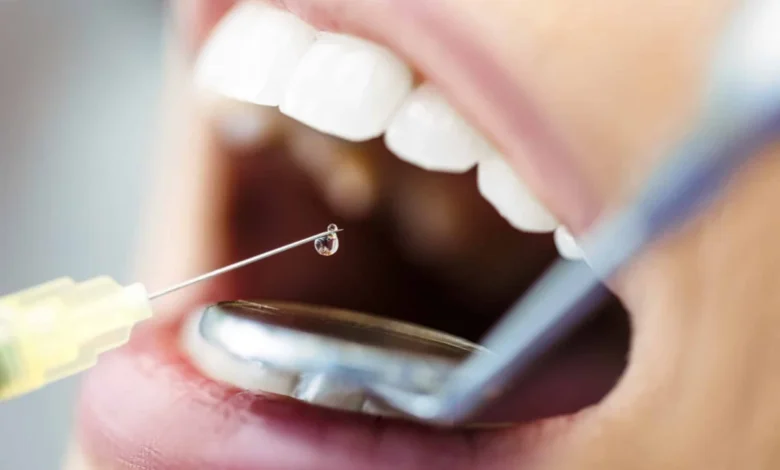
Mandibular local anesthesia represents one of the most critical yet challenging aspects of clinical dentistry, requiring a precise understanding of neuroanatomy and a versatile toolkit of delivery methods to ensure patient comfort and procedural success. While the conventional inferior alveolar nerve block (IANB) remains the most frequently utilized technique in dental practices worldwide, its failure rates—estimated to range between 15% and 25%—have prompted the development and adoption of alternative approaches. The Gow-Gates and Vazirani-Akinosi techniques offer clinicians reliable secondary and tertiary options, particularly when faced with anatomical variations, acute inflammation, or physical limitations such as trismus. By analyzing the advantages, limitations, and specific clinical applications of these three primary mandibular blocks, dental professionals can significantly improve their success rates and provide a higher standard of care.
The Evolution and Anatomy of Mandibular Anesthesia
The history of mandibular anesthesia is a testament to the pursuit of clinical predictability. The conventional IANB, often referred to as the Halsted technique, was popularized in the late 19th century following the discovery of cocaine’s anesthetic properties. However, as dental surgery became more complex, the limitations of the Halsted approach became apparent. Anatomical studies revealed that the mandibular nerve (V3), the largest branch of the trigeminal nerve, often possesses accessory pathways that bypass the traditional injection site.
To achieve profound anesthesia in the mandible, the clinician must target the mandibular nerve or its branches as they pass through the pterygomandibular space. This space is bounded laterally by the ramus of the mandible and medially by the medial pterygoid muscle. Success depends on the anesthetic solution reaching the nerve before it enters the mandibular foramen. However, factors such as the thickness of the sphenomandibular ligament, the presence of a bifid mandibular nerve, or variations in the height of the mandibular foramen can lead to incomplete anesthesia.
The Conventional Inferior Alveolar Nerve Block (IANB)
The IANB is designed to anesthetize the inferior alveolar nerve, the incisive nerve, the mental nerve, and, in most cases, the lingual nerve. This provides anesthesia to the mandibular teeth to the midline, the body of the mandible, the buccal mucoperiosteum anterior to the first molar, and the anterior two-thirds of the tongue and floor of the mouth.
Procedure and Landmarks
The technique relies on identifying three primary landmarks: the coronoid notch, the pterygomandibular raphe, and the occlusal plane of the mandibular teeth. The needle is typically inserted from the opposite side of the mouth, over the premolars, into the pterygotemporal depression. The goal is to deposit anesthetic solution near the mandibular foramen, where the nerve enters the bone.
Common Causes of Failure
Despite being the "gold standard," the IANB is prone to failure for several reasons:
- Anatomical Variation: The height and anteroposterior position of the mandibular foramen vary significantly between individuals and across different age groups.
- Accessory Innervation: The mylohyoid nerve or the cervical plexus (C2, C3) may provide sensory fibers to the mandibular molars, which the IANB often fails to block.
- The "Hot Tooth" Phenomenon: In cases of pulpitis, the lowered pH of inflamed tissue can prevent the anesthetic from penetrating the nerve membrane. Additionally, peripheral sensitization may increase the density of sodium channels, making the nerve more resistant to standard doses.
- Intravascular Injection: The pterygomandibular space is highly vascularized, increasing the risk of anesthetic entering the bloodstream rather than remaining at the nerve site.
The Vazirani-Akinosi Closed-Mouth Technique
Introduced by Joseph Akinosi in 1977, following earlier work by Vazirani, this technique was a revolutionary development for patients who cannot open their mouths sufficiently for traditional blocks. It is frequently indicated for patients suffering from trismus, dental infections causing muscle spasms, or trauma-induced jaw limitations.
Clinical Indications
The primary advantage of the Vazirani-Akinosi technique is that it does not require the patient to open their mouth. This makes it the preferred option for patients with severe TMJ disorders or those who are physically unable to cooperate with wide-opening requirements. Furthermore, because the needle does not contact bone, it is often perceived as less traumatic for the patient.
Technique and Nerve Coverage
The clinician inserts the needle into the soft tissue medial to the ramus, parallel to the maxillary occlusal plane at the level of the mucogingival junction of the maxillary third molar. The anesthetic is deposited in the upper portion of the pterygomandibular space. This technique effectively anesthetizes the inferior alveolar, lingual, and mylohyoid nerves. Because it targets the nerves higher than the IANB, it often succeeds where the conventional block fails by capturing accessory innervation before it branches off.
The Gow-Gates Technique: The True Mandibular Block
In 1973, George Gow-Gates, an Australian dentist, proposed a "high-level" mandibular block that targets the mandibular nerve (V3) before it divides into its major terminal branches. This technique is widely considered the most reliable method for achieving total mandibular anesthesia, boasting a success rate often exceeding 95% in clinical studies.
Anatomical Targeting
The Gow-Gates technique targets the lateral aspect of the neck of the mandibular condyle, just below the insertion of the external pterygoid muscle. By depositing the anesthetic at this high point, the clinician can anesthetize the entire distribution of V3, including:
- Inferior alveolar nerve
- Lingual nerve
- Mylohyoid nerve
- Mental nerve
- Incisive nerve
- Auriculotemporal nerve
- Buccal nerve
Advantages and Challenges
The primary benefit of the Gow-Gates block is its comprehensiveness. It eliminates the need for supplemental buccal nerve injections and bypasses almost all accessory innervation issues. However, it has a slower onset time (typically 5 to 10 minutes) compared to the IANB because of the larger diameter of the nerve trunk and the distance the solution must diffuse. Additionally, it requires the patient to maintain a wide-open mouth for several minutes to allow the anesthetic to pool around the nerve, which can be difficult for some individuals.
Comparative Data and Success Rates
Clinical research has consistently highlighted the differences in efficacy between these three methods. In a meta-analysis of mandibular anesthesia, the Gow-Gates technique showed a significantly higher success rate in anesthetizing the first molar (98%) compared to the IANB (82%). The Vazirani-Akinosi technique sits between the two, often used as a rescue technique when others fail.
| Feature | Conventional IANB | Vazirani-Akinosi | Gow-Gates |
|---|---|---|---|
| Mouth Opening | Wide open | Closed | Wide open |
| Success Rate | 75% – 85% | 80% – 90% | 95% – 99% |
| Aspiration Risk | High (10-15%) | Low (<2%) | Very Low (<2%) |
| Nerve Coverage | IA, Lingual, Mental | IA, Lingual, Mylohyoid | Entire V3 Trunk |
| Onset Time | 3-5 minutes | 5 minutes | 5-10 minutes |
Data regarding complications also favors the alternative techniques. The IANB has a higher reported incidence of positive aspiration and post-operative hematoma due to the proximity of the inferior alveolar artery and vein. In contrast, the Gow-Gates and Akinosi techniques target areas with less vascular density, reducing the risk of systemic toxicity.
Clinical Decision-Making: Choosing the Right Block
The choice of technique should be tailored to the specific needs of the patient and the nature of the dental procedure.
- Routine Restorative Work: For standard fillings or simple extractions in patients with normal anatomy, the IANB remains efficient due to its fast onset.
- Infection and Inflammation: If a patient presents with a "hot tooth" or signs of cellulitis, the Gow-Gates is the superior choice. Its high-level deposition ensures the anesthetic is placed away from the acidic environment of the infection.
- Limited Opening (Trismus): The Vazirani-Akinosi is the only viable option for patients who cannot open more than 10-15mm.
- Surgical Procedures: For quadrant dentistry or complex surgeries involving the entire mandible, the Gow-Gates provides the most profound and longest-lasting anesthesia, often eliminating the need for repeated injections.
Implications for Modern Dental Practice
The move toward more predictable anesthesia is not merely a matter of clinical convenience; it is a fundamental aspect of patient psychology and practice management. Failed anesthesia is a primary driver of dental anxiety, leading to avoided appointments and increased stress for both the patient and the practitioner.
Recent advancements in dental technology, such as Computer-Controlled Local Anesthetic Delivery (CCLAD) systems, have further enhanced these techniques by regulating the pressure and flow rate of the anesthetic, making even the high-level Gow-Gates block more comfortable for the patient. Furthermore, the integration of ultrasound-guided injections is an emerging field that may one day eliminate the "blind" nature of these blocks entirely.
In conclusion, while the conventional inferior alveolar nerve block is a staple of dental education, it is no longer sufficient as a standalone method for mandibular anesthesia. The anatomical complexities of the mandible and the physiological challenges of inflammation demand that modern clinicians be proficient in the Vazirani-Akinosi and Gow-Gates techniques. By understanding the unique landmarks and advantages of each, dentists can ensure a painless experience for their patients, regardless of the clinical hurdles they may face. The transition from relying on a single technique to utilizing a specialized "anesthesia menu" represents the next step in the evolution of pain management in oral healthcare.
Related posts: