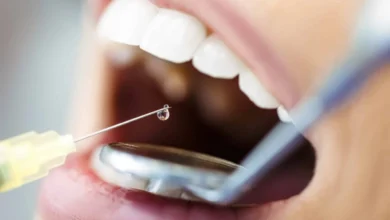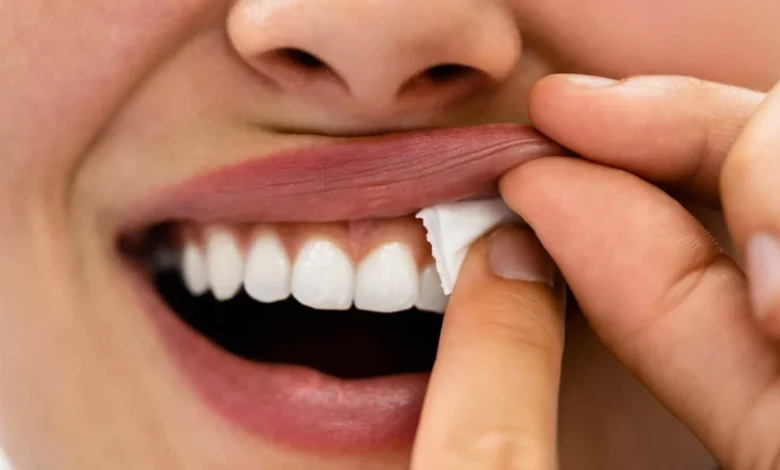
As nicotine pouches continue their rapid ascent in the global consumer market, oral health professionals are finding themselves on the front line of a new public health challenge, identifying localized tissue damage, counseling a new demographic of users, and monitoring for potentially significant long-term oral complications. These products, often marketed with vibrant packaging and a "tobacco-free" label, have carved out a substantial niche among adolescents and adults who view them as a cleaner, more discreet alternative to traditional cigarettes or electronic vaping devices. While these pouches eliminate the combustion of tobacco and the inhalation of aerosolized chemicals, they introduce a concentrated delivery mechanism for nicotine that targets the oral mucosa directly, leading to clinical observations that necessitate a shift in dental screening protocols.
The landscape of nicotine consumption has shifted dramatically over the last decade. Traditional smokeless tobacco, such as snuff or chewing tobacco, has long been associated with oral malignancies and periodontal disease due to the presence of tobacco-specific nitrosamines. However, the emergence of the modern nicotine pouch—containing nicotine salts, fillers, and flavorings encased in a small permeable bag—has complicated the clinical picture. Because these products do not contain the tobacco leaf itself, they are frequently perceived by the public as harmless. This "health halo" effect has led to an explosion in use, with market data indicating billions of units sold annually, yet the localized impact on the gingiva and underlying alveolar bone remains a point of significant clinical concern for the dental community.
The Evolution of Nicotine Delivery: A Chronological Shift
The journey of nicotine delivery from combustible products to the modern pouch reflects a broader trend in harm reduction and consumer preference. For much of the 20th century, cigarette smoking was the primary vehicle for nicotine addiction. The 1990s and early 2000s saw a rise in "snus," a pasteurized smokeless tobacco product from Sweden that claimed lower levels of carcinogens than American dip. However, the true pivot occurred in the mid-2010s with the introduction of high-concentration nicotine salts, popularized initially by the vaping industry.
By 2016, major tobacco companies began aggressively pivoting toward "next-generation products." Oral nicotine pouches (ONPs) were launched as a lifestyle product—odorless, spit-free, and usable in indoor environments where smoking and vaping are prohibited. Between 2019 and 2023, the market for these products grew exponentially, fueled by social media trends and the entry of major brands like Zyn, On!, and Rogue into convenience stores nationwide. This timeline illustrates a rapid transition where the regulatory framework and long-term clinical research are struggling to keep pace with the sheer volume of consumer adoption.
Pathophysiology of Localized Tissue Damage
Unlike systemic nicotine delivery via the lungs, nicotine pouches deliver the drug through the oral mucosa via a process of passive diffusion. The user typically places the pouch between the upper lip or cheek and the gingiva. This placement results in a high concentration of nicotine being held against a specific site for 20 to 60 minutes at a time. Oral health professionals are now identifying a distinct set of clinical markers associated with this habit.
The primary clinical finding is localized erythema—a redness of the tissue caused by increased blood flow and irritation. However, chronic use often leads to the opposite effect over time. Nicotine is a known vasoconstrictor, meaning it narrows blood vessels. While the initial chemical irritation may cause inflammation, the long-term presence of nicotine at the site of the pouch can impair localized blood flow. This impairment reduces the delivery of oxygen and nutrients to the gingival tissues, which is critical for the maintenance of the periodontium.
Furthermore, clinicians are observing "pouch keratosis," a white, wrinkled appearance of the mucosa where the pouch is frequently placed. While often reactive and reversible upon cessation, these lesions represent a change in the cellular structure of the epithelium. Perhaps more concerning is the risk of gingival recession. Because the pouch sits directly against the gum line, the combination of chemical irritation and mechanical friction can lead to the permanent loss of gum tissue and the exposure of tooth roots, increasing the risk of sensitivity and root caries.
Supporting Data and Market Trends
Recent data from the Centers for Disease Control and Prevention (CDC) and various market analysis firms highlight the scale of this trend. In the United States alone, sales of nicotine pouches increased by nearly 300% between 2019 and 2022. While youth vaping rates have seen a slight decline due to increased regulation and flavor bans, the use of oral nicotine products among high school students has remained a persistent concern, with many users "dual-using" both vapes and pouches.
Research into the chemical composition of these pouches reveals that while they lack the tar of cigarettes, they are often alkaline. Manufacturers use pH adjusters, such as sodium carbonates, to increase the alkalinity of the product. This is a deliberate design choice: a higher pH facilitates the conversion of nicotine into its "freebase" form, which is absorbed more rapidly into the bloodstream. However, this high pH can also be caustic to the delicate oral mucosa, accelerating the breakdown of tissue integrity and contributing to the "burn" many users report.
Clinical Protocols and the Role of the Dental Team
The rise of ONPs necessitates a revision of the standard dental history and examination. Many patients, particularly younger ones, do not consider themselves "smokers" or even "tobacco users" because the products are marketed as tobacco-free. Therefore, oral health professionals must update their intake forms to ask specifically about "nicotine pouches" or mention brand names to elicit an accurate history.
During the clinical examination, a thorough soft tissue screening is paramount. Clinicians should pay close attention to the maxillary and mandibular vestibules—the areas where pouches are most commonly tucked. Documentation is key; the use of intraoral cameras to take serial photographs of suspicious lesions allows the practitioner to monitor changes over time. If a lesion presents as leukoplakia (a white patch that cannot be wiped off) or exhibits ulceration and fails to resolve within two weeks of the patient discontinuing the product, a biopsy is often indicated to rule out cellular dysplasia.
Professional organizations, including the American Dental Association (ADA), have emphasized that while the long-term carcinogenic potential of these pouches is still being studied, the immediate oral health risks are undeniable. The consensus among periodontists is that the chronic inflammation caused by these products can exacerbate existing periodontal disease, leading to faster attachment loss and potential tooth loss in susceptible individuals.
Broader Public Health Implications and Analysis
The "harm reduction" debate is central to the analysis of nicotine pouches. Proponents argue that for a lifelong smoker who cannot quit, switching to a pouch significantly reduces the risk of lung cancer and respiratory disease. However, public health advocates point out that these products are often used by individuals who were never smokers to begin with, effectively creating a new generation of nicotine-dependent individuals.
From an oral health perspective, the "harm reduction" argument is less clear-cut. While the risk of oral cancer may be lower than that associated with traditional dipping tobacco (which contains high levels of known carcinogens), the risk of localized periodontal destruction is very real. The dental community serves as an early warning system. Because patients typically visit their dentist more frequently than their primary care physician, the dental office is the most likely place for the early signs of nicotine-induced tissue changes to be caught.
Furthermore, the impact of nicotine on wound healing cannot be overstated. For patients undergoing oral surgery, dental implants, or periodontal therapy, the use of nicotine pouches can significantly compromise the success of the procedure. The vasoconstrictive properties of nicotine hinder the inflammatory response necessary for healing, leading to higher rates of implant failure and post-operative infections.
Conclusion and Future Outlook
The emergence of nicotine pouches represents a significant shift in nicotine consumption patterns, one that requires the dental profession to remain vigilant and informed. The "tobacco-free" label should not be equated with "safety," particularly regarding the health of the oral cavity. As long-term longitudinal studies continue to investigate the link between these products and more severe pathologies like oral cancer, the current focus must remain on early detection and patient education.
Oral health professionals are uniquely positioned to bridge the gap between consumer perception and clinical reality. By integrating specific nicotine pouch screenings into routine exams and providing evidence-based counseling on the risks of gingival recession and mucosal damage, they can play a pivotal role in mitigating the impact of this growing trend. The goal is not merely to treat the damage after it occurs but to intervene early, ensuring that the pursuit of a "cleaner" nicotine alternative does not come at the expense of a patient’s long-term oral and systemic health. As the market evolves, so too must the strategies of those dedicated to preserving the integrity of the oral environment.
Related posts: