
Fit Food Spotlight Oats
Fit Food Spotlight: Oats – The Versatile Foundation for Optimal Nutrition and Performance
Oats, specifically whole rolled oats and steel-cut oats, are a nutritional powerhouse and a foundational food for individuals focused on fitness, health, and optimal performance. Their complex carbohydrate profile, rich fiber content, and array of micronutrients make them an ideal fuel source for demanding physical activity, a sustained energy release throughout the day, and a cornerstone for a balanced diet. This spotlight delves into the multifaceted benefits of oats, exploring their nutritional breakdown, the distinct advantages of different oat varieties, their role in athletic performance and recovery, and practical applications for incorporating them into a fitness-oriented lifestyle. Understanding the science behind oats and their dietary impact empowers individuals to leverage this humble grain for enhanced well-being and athletic achievement.
The nutritional architecture of oats is what elevates them beyond a simple breakfast staple to a performance-enhancing food. The primary macronutrient in oats is complex carbohydrates, primarily in the form of starch. This slow-digesting carbohydrate source provides a steady and sustained release of glucose into the bloodstream, averting the sharp spikes and subsequent crashes associated with refined sugars. This sustained energy release is crucial for endurance athletes, providing the necessary fuel for prolonged exertion, and for individuals engaged in strength training, supporting muscle function and minimizing fatigue during intense workouts. Beyond carbohydrates, oats are also a notable source of protein, offering around 10-15% of their dry weight. While not a complete protein source on its own, this contribution is significant and complements other protein sources in the diet, aiding in muscle repair and synthesis. Furthermore, oats contain a modest amount of healthy fats, primarily unsaturated fats, which contribute to satiety and play a role in nutrient absorption. The true nutritional goldmine of oats, however, lies in their fiber content, particularly beta-glucan. This soluble fiber is a prebiotic, feeding beneficial gut bacteria, and it plays a pivotal role in cardiovascular health by helping to lower cholesterol levels. The fiber also contributes significantly to feelings of fullness and satiety, which is invaluable for appetite management and weight control – common goals within fitness communities. Micronutrient-wise, oats are replete with essential vitamins and minerals. They are a good source of manganese, a mineral crucial for bone health and metabolism. They also provide significant amounts of phosphorus, important for energy production and bone strength, and magnesium, involved in over 300 biochemical reactions in the body, including muscle and nerve function. Additionally, oats contain iron, vital for oxygen transport in the blood, and zinc, which supports immune function and wound healing. This dense nutritional profile underscores why oats are a recommended dietary component for anyone prioritizing their health and performance.
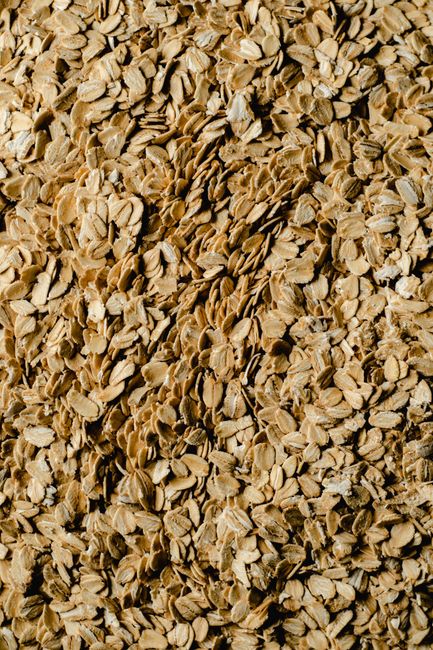
While "oats" is often used as a singular term, understanding the variations is key to optimizing their use. The most common forms are steel-cut oats and rolled oats (also known as old-fashioned oats). Steel-cut oats are groats that have been chopped into smaller pieces. This minimal processing means they retain more of their original structure, resulting in a longer cooking time and a chewier texture. Their intact structure contributes to a slower rate of digestion, leading to an even more gradual release of glucose into the bloodstream compared to rolled oats. This makes them an excellent choice for individuals seeking maximum sustained energy and blood sugar stability. Rolled oats, on the other hand, are whole groats that have been steamed and then flattened into flakes. This processing makes them cook faster and results in a softer texture. While they digest slightly quicker than steel-cut oats, they still offer a significant amount of fiber and a sustained energy release, making them a convenient and effective option for busy individuals or those seeking a quicker breakfast preparation. Instant oats, while convenient, are the most processed form, with the groats being pre-cooked, dried, and rolled very thinly. This processing leads to a faster cooking time but also a more rapid digestion and a higher glycemic index, potentially negating some of the sustained energy benefits. For fitness enthusiasts, prioritizing steel-cut or rolled oats will generally yield superior nutritional and energetic outcomes.
The symbiotic relationship between oats and athletic performance is undeniable. For endurance athletes, the complex carbohydrates in oats serve as the primary fuel source. Consuming oats before a long run, cycle, or swim ensures a glycogen store that can be tapped into throughout the event, delaying fatigue and improving performance. The sustained release of energy prevents the "bonk" or hitting the wall, allowing athletes to maintain a consistent pace and output. For strength athletes, oats provide the energy necessary to power through demanding weightlifting sessions. The glucose released fuels muscle contractions, enabling them to perform more repetitions and lift heavier weights. Furthermore, the protein content, while not the primary benefit, contributes to the overall protein intake required for muscle repair and growth. Post-workout, oats can also play a crucial role in recovery. Consuming a meal or snack containing oats shortly after exercise aids in replenishing glycogen stores, which is essential for facilitating the repair and rebuilding of muscle tissue. The soluble fiber, beta-glucan, also plays a role in reducing inflammation, a common occurrence after intense physical activity, thus potentially speeding up the recovery process.
Beyond direct energy provision, oats contribute to overall health markers that are critical for consistent athletic performance. The beta-glucan content in oats is renowned for its cholesterol-lowering properties. By binding to cholesterol in the digestive tract, it prevents its absorption, leading to reduced levels of LDL (low-density lipoprotein), often referred to as "bad" cholesterol. Maintaining healthy cholesterol levels is vital for cardiovascular health, which is paramount for athletes, ensuring efficient oxygen delivery to working muscles and reducing the risk of heart-related issues. The fiber in oats also contributes to digestive health. A healthy gut microbiome, supported by the prebiotic effects of beta-glucan, is increasingly recognized as a significant factor in overall health, immunity, and nutrient absorption, all of which directly impact an athlete’s ability to train and perform optimally. Furthermore, the slow digestion of oats contributes to improved blood sugar control. For individuals prone to energy slumps or those managing metabolic health, this steady energy release can be transformative, preventing the debilitating fatigue associated with blood sugar fluctuations.
Incorporating oats into a fitness-focused diet is remarkably straightforward due to their versatility. The most common application is as a breakfast cereal. Cooking rolled or steel-cut oats with water or milk (dairy or plant-based) creates a warm and satisfying base. To enhance their nutritional profile and flavor, consider adding a variety of toppings. Protein sources like Greek yogurt, cottage cheese, or a scoop of protein powder can boost the protein content significantly, aiding in muscle recovery. Healthy fats can be introduced through nuts, seeds (chia, flax, hemp), or a drizzle of nut butter, providing essential fatty acids and promoting satiety. Fruits, both fresh and frozen, offer vitamins, antioxidants, and natural sweetness, while spices like cinnamon and nutmeg add flavor and potential anti-inflammatory benefits. Beyond breakfast, oats can be incorporated into numerous other dishes. Oat flour, made by grinding rolled oats, can be used in baking to create healthier muffins, pancakes, or cookies, providing fiber and a denser texture. Overnight oats, where oats are soaked in liquid (milk, yogurt, or water) overnight in the refrigerator, offer a convenient grab-and-go option for busy mornings or post-workout fuel. Their texture softens, creating a pudding-like consistency, and they can be customized with various flavors and mix-ins. Oat-based smoothies are another excellent way to consume oats, blending them with fruits, vegetables, protein powder, and liquids for a nutrient-dense and easily digestible meal or snack. Savory applications are also possible; oats can be used as a binder in veggie burgers or meatballs, added to soups and stews for added texture and nutrition, or even used to create a savory porridge.
For athletes, strategic timing of oat consumption can further optimize performance and recovery. Pre-workout, a moderate portion of rolled or steel-cut oats consumed 1-2 hours before training provides sustained energy without causing digestive discomfort. For longer or more intense endurance events, a larger portion consumed earlier in the day can ensure adequate glycogen stores. Post-workout, a combination of oats with a protein source within 30-60 minutes of finishing exercise is ideal for initiating muscle repair and glycogen replenishment. This could be a protein smoothie with oats, or a bowl of cooked oats topped with Greek yogurt and berries. Throughout the day, incorporating oats into meals and snacks can help maintain consistent energy levels and manage hunger, preventing the urge to reach for less nutritious, processed snacks.
When selecting oats, looking for "whole grain" on the packaging is paramount. This indicates that the entire oat groat – the bran, germ, and endosperm – is present, maximizing the nutritional benefits. Steel-cut oats are typically the least processed, followed by rolled oats. Avoiding instant oats where possible is advisable for those prioritizing sustained energy release and a lower glycemic impact. Reading ingredient lists is also important; some flavored instant oats can contain significant amounts of added sugar and artificial ingredients, negating the inherent health benefits of oats. Opting for plain, unflavored varieties allows for complete control over the added ingredients and sweetness.
In summary, oats are not merely a breakfast food; they are a sophisticated nutritional tool for individuals committed to fitness and optimal health. Their complex carbohydrate profile fuels sustained energy, their rich fiber content supports digestive and cardiovascular well-being, and their micronutrient density contributes to overall physiological function. By understanding the distinct qualities of steel-cut and rolled oats and by strategically incorporating them into a balanced diet through diverse culinary applications, athletes and fitness enthusiasts can effectively leverage this powerful grain to enhance performance, accelerate recovery, and achieve their health and fitness objectives. The humble oat, when understood and utilized effectively, stands as a cornerstone of a high-performance, health-conscious lifestyle.
