
Healthy Habits For Life 10 Tips For Better Meal Prep
10 Tips for Better Meal Prep: Healthy Habits for Life
Embarking on a journey toward a healthier lifestyle is often most effectively achieved through consistent, actionable habits. Meal preparation stands as a cornerstone of this endeavor, offering control over ingredients, portion sizes, and nutritional intake, ultimately contributing to long-term well-being. This article presents ten practical tips designed to enhance your meal prepping prowess, fostering sustainable healthy eating habits for life.
Tip 1: Strategic Planning and Inventory Management
The foundation of successful meal prep lies in meticulous planning. Before you even consider grocery shopping, dedicate time to create a weekly meal plan. This involves outlining breakfast, lunch, dinner, and even snacks for each day. Consider your schedule, activity levels, and any dietary restrictions or preferences. Simultaneously, conduct a thorough inventory of your pantry, refrigerator, and freezer. Understanding what ingredients you already possess prevents duplicate purchases, reduces food waste, and informs your grocery list, ensuring you buy only what you need. This proactive approach minimizes impulse buys and ensures your meal prep aligns with your planned meals, avoiding last-minute scrambling and the temptation of less healthy convenience options. For instance, if you notice you have a surplus of chicken breasts, plan meals that utilize them throughout the week. Similarly, if your pantry is low on quinoa, make it a priority to include it in your shopping list for the week’s grain-based dishes. Effective inventory management also extends to assessing the shelf life of items, allowing you to prioritize their use in upcoming meals.
Tip 2: Embrace Batch Cooking for Staples
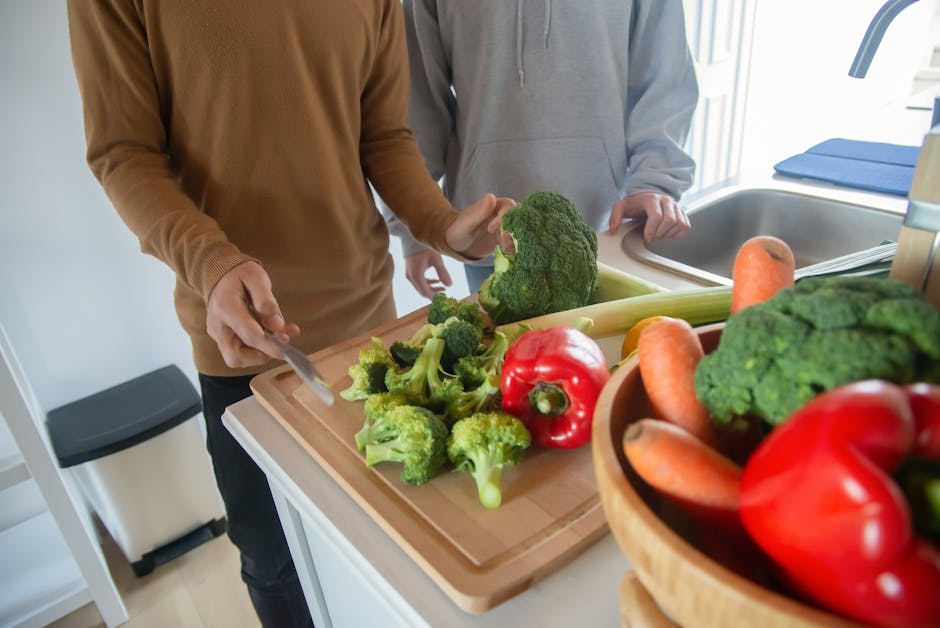
Batch cooking involves preparing large quantities of versatile, foundational ingredients that can be used in multiple meals throughout the week. This is a time-saving strategy that significantly streamlines the meal prep process. Grains like quinoa, brown rice, farro, and couscous are excellent candidates for batch cooking. Similarly, roasting a large batch of vegetables – such as broccoli, sweet potatoes, bell peppers, and onions – or cooking a protein source like grilled chicken breasts, baked salmon, or hard-boiled eggs can provide the building blocks for diverse dishes. Once cooked, these staples can be stored in airtight containers in the refrigerator and easily incorporated into salads, grain bowls, stir-fries, or as side dishes. This approach eliminates the need to cook these components from scratch for every meal, drastically reducing daily cooking time and effort. For example, a batch of cooked quinoa can be transformed into a breakfast bowl with fruit, a lunch salad, or a dinner base for a stir-fry. Similarly, roasted vegetables can be added to an omelet, a wrap, or served alongside a protein.
Tip 3: Invest in Quality Meal Prep Containers
The right meal prep containers are crucial for organization, food safety, and portability. Opt for durable, BPA-free containers that are microwave, dishwasher, and freezer safe. Glass containers are an excellent choice for their longevity and ability to withstand extreme temperatures without leaching chemicals, though they can be heavier. High-quality plastic containers are lighter and often more affordable, but ensure they are food-grade and free from harmful additives. Consider containers with multiple compartments to keep different food items separate, preventing sogginess and maintaining texture, especially for meals with distinct components like a main dish, grain, and vegetable. Airtight seals are paramount to preserving freshness, preventing leaks, and minimizing the risk of spoilage. Having a sufficient number of containers of various sizes will allow you to prep multiple meals and snacks, catering to different portion needs and meal types. This investment not only enhances the practicality of your meal prep but also contributes to a more organized and visually appealing approach to healthy eating.
Tip 4: Master the Art of Portion Control
Meal prep provides an ideal opportunity to practice mindful portion control, a vital aspect of managing weight and overall health. By pre-portioning your meals into individual containers, you remove the guesswork at mealtime and reduce the temptation to overeat. Use measuring cups and spoons when initially preparing your ingredients to establish appropriate serving sizes. Consider your individual caloric and macronutrient needs when determining portion sizes for your planned meals. If you’re aiming for weight loss, smaller portions will be key. If you have a more active lifestyle, your portions may need to be larger. Many meal prep containers come with built-in compartments that can guide portion sizes. Alternatively, using a food scale for the first few weeks can help you accurately gauge ideal portions of protein, carbohydrates, and fats. This deliberate act of pre-portioning serves as a constant visual cue, reinforcing healthy eating habits and preventing mindless consumption.
Tip 5: Prioritize Versatile Protein Sources
Protein is essential for satiety, muscle repair, and numerous bodily functions. Incorporating versatile protein sources into your meal prep is a strategic move that enhances the nutritional value and flexibility of your prepared meals. Lean meats like chicken breast and turkey, fish such as salmon and tuna, plant-based options like tofu, tempeh, lentils, and beans, and eggs are all excellent choices. Batch cooking a large quantity of one or two protein sources can simplify the assembly of various meals. For instance, grilled chicken can be diced for salads, added to wraps, or served over grains. Baked salmon can be flaked into salads or enjoyed as a standalone protein. Tofu can be cubed and stir-fried, baked, or added to curries. Eggs, whether hard-boiled or as part of an omelet, offer a quick and nutritious protein boost. By preparing a substantial amount of protein at the beginning of the week, you ensure that a healthy protein source is readily available for every meal, promoting feelings of fullness and supporting your body’s needs.
Tip 6: Embrace the Power of Roasted and Steamed Vegetables
Vegetables are nutrient powerhouses, packed with vitamins, minerals, and fiber. Roasting and steaming are two highly effective methods for preparing vegetables that preserve their nutritional integrity and create delicious, versatile additions to your meal prep. Roasting vegetables like broccoli, cauliflower, Brussels sprouts, carrots, and bell peppers with a drizzle of olive oil and herbs caramelizes their natural sugars, enhancing their flavor and texture. Steaming vegetables such as asparagus, green beans, and spinach is a gentle cooking method that retains their vibrant color and nutrients. Both methods allow for batch preparation, meaning you can cook a large quantity of vegetables at once and store them for easy inclusion in meals throughout the week. Roasted vegetables can be added to salads, grain bowls, or served as a side dish. Steamed vegetables can be incorporated into stir-fries, pasta dishes, or simply enjoyed as a healthy accompaniment to any meal. Experiment with different seasonings and spice blends to keep your vegetable preparations exciting and prevent flavor fatigue.
Tip 7: Don’t Forget Flavor and Seasoning
Healthy eating doesn’t have to be bland. The key to sustained meal prep is making your food delicious and appealing. Invest in a variety of herbs, spices, vinegars, and healthy sauces to elevate the flavor profile of your prepared meals. Think beyond salt and pepper. Consider cumin, paprika, chili powder, turmeric, garlic powder, onion powder, Italian seasoning, and fresh herbs like parsley, cilantro, and basil. Lemon juice and various vinegars (balsamic, red wine, apple cider) can add brightness and acidity. Healthy sauces, such as homemade salsa, a light vinaigrette, or a low-sodium soy sauce-based marinade, can transform simple ingredients into satisfying dishes. Experiment with different flavor combinations to discover what you enjoy most. For example, a batch of plain grilled chicken can be seasoned differently each day – one day with lemon and herbs, another with a spicy chili rub, and a third with a teriyaki-inspired marinade. This attention to flavor prevents monotony and makes adhering to your healthy eating plan far more enjoyable.
Tip 8: Incorporate Healthy Fats Strategically
Healthy fats are crucial for hormone production, nutrient absorption, and overall well-being. Meal prep offers an excellent opportunity to strategically incorporate these essential fats into your diet. Sources like avocados, nuts, seeds, and olive oil can be easily added to your prepared meals. For instance, a handful of almonds or walnuts can be added to a salad or a yogurt parfait. Seeds like chia seeds or flax seeds can be mixed into oatmeal or smoothies. Drizzling olive oil over roasted vegetables or using it as a base for homemade dressings adds beneficial monounsaturated fats. Avocados can be sliced and added to sandwiches, salads, or grain bowls. Portion control is also important with fats, as they are calorie-dense. Pre-portioning nuts and seeds into small bags or containers can help manage intake. By consciously including healthy fats in your meal prep, you enhance the satiety of your meals and contribute to a balanced nutritional intake.
Tip 9: Plan for Snacks and Hydration
Healthy habits extend beyond main meals. Proactive planning for snacks and ensuring adequate hydration are equally important for sustained well-being and can significantly impact your adherence to healthy eating. Prepare portioned snacks such as fruit, yogurt, a small handful of nuts, vegetable sticks with hummus, or hard-boiled eggs. These ready-to-go options prevent you from reaching for less healthy convenience snacks when hunger strikes between meals. Similarly, keep a reusable water bottle with you and aim to refill it throughout the day. Dehydration can often be mistaken for hunger, so prioritizing hydration can help manage appetite. Having pre-portioned healthy snacks readily available eliminates decision fatigue and reduces the likelihood of making poor food choices when you’re on the go or experiencing a dip in energy. This foresight ensures that your healthy eating journey is supported by convenient, nutritious choices at all times.
Tip 10: Be Flexible and Adaptable
While structured meal prep is beneficial, rigid adherence can lead to burnout. The most sustainable healthy habits are those that are flexible and adaptable to life’s inevitable changes. Don’t be discouraged by an occasional deviation from your plan. If unexpected events arise, such as a last-minute social invitation or a change in your schedule, assess your options and make the best choices available. This might involve slightly modifying a prepped meal, opting for a healthier takeout option, or adjusting your plan for the following day. The goal is long-term consistency, not perfection. Learn from any deviations and use them as opportunities to refine your meal prep strategies. Perhaps you need to prep more snacks for busy days, or maybe your cooking schedule needs a slight adjustment. Embracing flexibility allows you to navigate challenges without derailing your progress, fostering a more resilient and sustainable approach to healthy living.
