Understanding Your Orthodontic Retainer: What to Do When Your Appliance No Longer Fits Properly

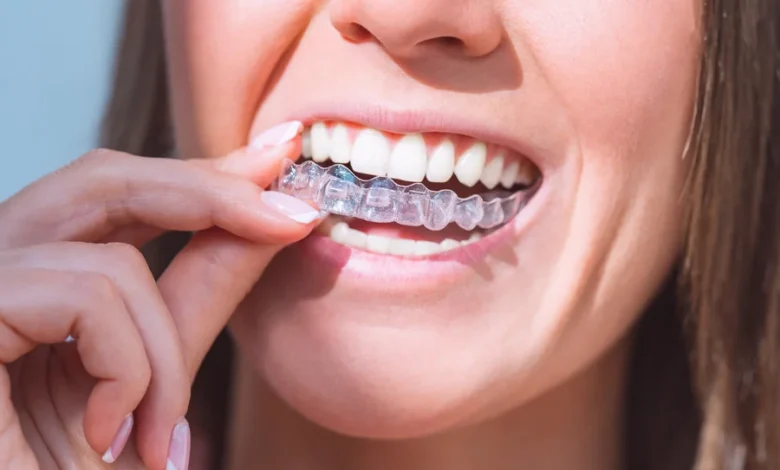
Orthodontic care does not conclude the day braces are removed or clear aligner therapy is completed. For millions of patients worldwide, the transition into the retention phase marks a lifelong commitment to maintaining dental alignment. However, navigating the nuances of retainer maintenance can present unexpected challenges, particularly when an appliance begins to feel tight, changes shape, or ceases to fit entirely. According to guidance issued by the American Association of Orthodontists (AAO), recognizing the difference between normal tooth micro-movements and structural appliance failure is critical for long-term oral health. When a retainer fails to seat properly, patients are strongly advised to seek professional evaluation rather than attempting risky do-it-yourself adjustments.
Background Context of Orthodontic Retention
The human mouth is a dynamic biological environment. Throughout a person’s life, teeth are subject to continuous physiological forces, including chewing pressure, the natural forward migration of dental arches, and the pressure exerted by facial musculature and aging tissues. Even after a successful course of comprehensive orthodontic treatment, periodontal ligaments retain a biological memory, causing teeth to naturally attempt to drift back toward their original positions.
To counteract this natural phenomenon, orthodontists prescribe removable or fixed retainers. Removable appliances—typically crafted from durable clear plastic (such as Essix retainers) or traditional acrylic combined with metal wires (Hawley retainers)—are engineered to hold the teeth in their newly corrected alignment. Over time, however, these materials degrade, and dental arches shift, creating a disconnect between the physical appliance and the patient’s oral anatomy.
Differentiating Between Snugness and Poor Fit
A central point of confusion for many patients is determining whether a tight retainer indicates normal adaptation or a more significant structural issue. Dental professionals emphasize that a mild degree of snugness is entirely normal, especially if a removable appliance has not been worn consistently for a brief period—such as a few days.
When a retainer is mildly snug, it should still seat completely over the dental arch, resting securely in its intended position without requiring excessive physical force, clicking, or biting pressure. The wearer may feel a slight, transient pressure as the plastic or wire guides the teeth back into alignment, but this sensation should quickly dissipate.
Conversely, a retainer that no longer fits exhibits entirely different characteristics. Indicators of a poorly fitting appliance include:
- Stopping partway down the crown of the teeth, leaving a noticeable gap between the edge of the appliance and the gumline.
- Creating an abnormal space between the interior of the retainer and the biting surface of one or more teeth.
- Springing or popping out of position spontaneously due to internal tension.
- Eliciting sharp, localized, or severe pain upon insertion.
When these symptoms occur, the underlying cause requires diagnostic investigation by a qualified orthodontic specialist.
Chronology of Changes: Why Retainers Fail Over Time
The deterioration of a retainer’s fit typically occurs through one of two primary pathways: alterations in the patient’s dental anatomy or physical changes to the appliance itself.
Inconsistent Wear and Dental Shifting
The most frequent cause of fit alteration is inconsistent adherence to the prescribed wear schedule. If a patient leaves their retainer out for weeks or months, the teeth will inevitably shift. When the appliance is finally reintroduced, the physical distance between the current tooth positions and the historical mold of the retainer creates significant resistance.
Thermal and Physical Deformation
Beyond dental movement, the material composition of the retainer itself is vulnerable to environmental stressors. Clear plastic retainers are notoriously sensitive to elevated temperatures. Exposure to hot water during cleaning, leaving an appliance in a vehicle during summer months, or placing it near a heat source can cause the medical-grade plastic to warp, twist, or shrink. Once thermally distorted, the retainer no longer matches the precise geometry of the teeth it was engineered to protect.
Material Fatigue and Wear
Daily mechanical stress—ranging from the physical friction of insertion and removal to the abrasive nature of nightly teeth grinding (bruxism)—takes a cumulative toll on orthodontic hardware. Acrylic can fracture, metal wires can bend or fatigue, and microscopic cracks can compromise the structural integrity of the device. Consequently, standard industry guidelines suggest that removable retainers have a finite lifespan and must be periodically inspected, repaired, or replaced.
The Hidden Dangers of Forcing an Old Retainer
When individuals discover an old retainer after a prolonged hiatus, a common psychological impulse is to force the appliance onto their teeth, operating under the assumption that sheer pressure will act as a substitute for professional realignment. Orthodontists uniformly caution against this practice.
Forcing a misaligned retainer introduces several distinct risks:
- Mismatched Geometry: Because the appliance reflects an outdated dental position, applying heavy pressure forces the teeth into an unmonitored, potentially traumatic configuration. Orthodontic movement requires calculated biological pacing to prevent root resorption or bone loss.
- Appliance Destruction: Excessive mechanical stress frequently causes clear plastic to crack, shatter, or snap, rendering the device completely useless and creating sharp edges that can lacerate delicate gum tissue.
- Masking Underlying Pathology: Pain is a biological warning signal. Interpreting significant pain as proof that a retainer is "working" ignores the potential damage being inflicted on the periodontal ligament and alveolar bone.
Official Responses and Professional Guidelines
According to clinical statements from the American Association of Orthodontists, patients experiencing persistent discomfort, visible material damage, or a sudden loss of fit should immediately halt use of the questionable device and schedule an evaluation.
During a formal retainer check, an orthodontist conducts a thorough clinical examination of the patient’s occlusion (bite), dental alignment, and soft tissues. If the retainer is deemed structurally sound but the teeth have shifted moderately, the specialist may recommend localized adjustments or a strictly monitored wear schedule. However, if the appliance is warped or if the dental relapse is significant, the practitioner will typically take new digital scans or physical impressions.
Depending on the individual diagnostic findings, potential professional solutions may include:
- Fabrication of a brand-new custom retainer matched to the patient’s current, stable tooth positions.
- Minor orthodontic interventions, such as a short course of clear aligners (e.g., Invisalign) or limited fixed braces to correct localized relapse before issuing a new retainer.
- Ongoing observation and monitoring of the dental arch.
Professionals stress that scheduling an evaluation does not automatically commit a patient to extensive new treatment; rather, it provides a factual baseline from which to make informed health decisions.
Broader Impact and Implications for Long-Term Dental Health
The implications of ignoring retainer degradation extend far beyond aesthetic concerns regarding straight teeth. A compromised bite can influence overall oral functionality, including mastication efficiency, temporomandibular joint (TMJ) health, and periodontal hygiene. When teeth drift out of alignment, they can become more difficult to clean properly, increasing the long-term risk of plaque accumulation, gingivitis, and tooth decay.
Furthermore, replacing a warped or ill-fitting retainer proactively is significantly more cost-effective and less time-consuming than undergoing secondary orthodontic treatment to reverse advanced dental relapse. By treating retainers with the same care as other vital medical devices—keeping them clean, storing them securely in protective cases away from heat sources, and monitoring their physical condition—patients can safeguard their financial and physical investment in their smiles.
Conclusion
Ultimately, an orthodontic retainer is a precise medical instrument, not a universal correction tool. When an appliance stops fitting comfortably, it serves as an important signal that a physical change has occurred within the teeth or the material itself. By avoiding home remedies, respecting the limits of the appliance, and seeking timely professional evaluations from qualified orthodontists, patients can ensure their long-term dental stability remains secure.