Decoding the Timeline of Pediatric Orthodontics: Why Waiting for All Baby Teeth to Fall Out Is a Misconception

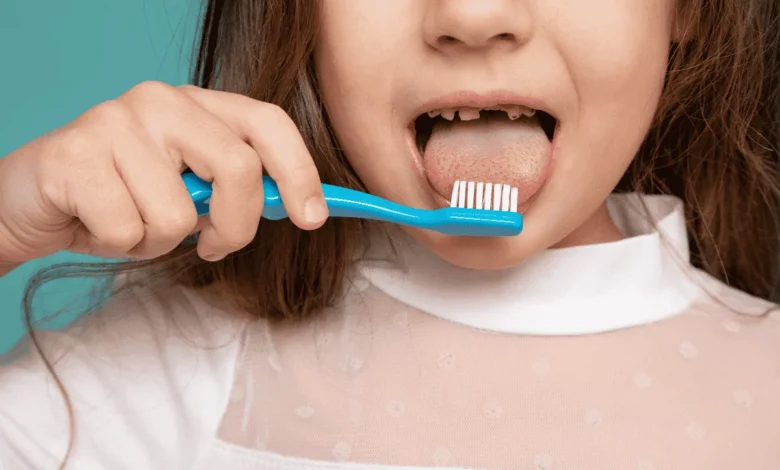
Navigating the milestones of a child’s dental development often brings a host of questions for parents, particularly when it comes to the timing of orthodontic care. A widespread assumption among families is that a child must lose all of their primary, or baby, teeth before they can be evaluated for braces or other corrective dental devices. According to leading dental health organizations, this belief is entirely incorrect. Orthodontic interventions, ranging from simple monitoring to active interceptive treatments, can—and frequently do—occur while a child still has a combination of baby and permanent teeth.
Understanding the complex trajectory of oral development requires looking past simple milestones like the loss of a final primary tooth. Modern orthodontics focuses heavily on jaw growth trajectories, skeletal development, and bite alignment. By shifting the focus away from chronological age or the total shedding of baby teeth, dental professionals can address functional and structural discrepancies at a stage when treatments are often most effective.
The Evolution of Early Orthodontic Guidelines and Chronology
Historically, orthodontic care was often delayed until adolescence, typically after a teenager’s second molars had fully erupted and all baby teeth were long gone. Traditional practices dictated that braces were a rite of passage reserved for middle or high school students. However, over the past several decades, clinical research and technological advancements in orthodontics have shifted this timeline significantly earlier.
The American Association of Orthodontists (AAO) formalized a crucial benchmark in dental care by recommending that every child undergo their first professional orthodontic evaluation no later than age seven. By this age, the first permanent molars erupt, establishing the back bite and allowing orthodontists to evaluate the front-to-back and side-to-side tooth relationships. Furthermore, by age seven, the incisors have typically begun to emerge, providing a clear window into potential crowding, spacing issues, or bite abnormalities.
This early evaluation does not automatically translate into immediate hardware or active treatment. Instead, it establishes a clinical baseline. Chronologically, a child’s dental journey from ages six to twelve is characterized by a stage known as "mixed dentition"—a period where primary and permanent teeth coexist. During these elementary school years, the craniofacial complex undergoes rapid growth, making it an ideal window for observation and, when clinically indicated, early intervention.
Understanding Mixed Dentition and Skeletal Development
The mixed dentition phase is a dynamic period in a child’s oral health. As baby teeth loosen and make way for larger permanent teeth, the jawbone simultaneously expands to accommodate the incoming adult dentition. However, discrepancies frequently arise during this transition. If a child’s jaw is too small to accommodate the incoming permanent teeth, severe crowding can occur. Conversely, early loss of a baby tooth—due to decay, trauma, or premature resorption—can cause adjacent teeth to drift into the empty space, blocking out incoming permanent teeth and leading to severe alignment issues.
Orthodontists evaluate much more than just the visual straightness of visible teeth. They analyze the skeletal framework of the face, specifically how the upper and lower jaws relate to one another. Conditions such as crossbites, where the upper teeth sit inside the lower teeth, or skeletal discrepancies like severe overbites and underbites, are deeply rooted in jaw growth patterns. Because a child’s bones are still malleable and actively growing during the mixed dentition phase, certain skeletal imbalances can be efficiently managed using specialized appliances, thereby reducing the need for more invasive procedures, such as jaw surgery or extractions, later in life.
Phase 1 Orthodontics: Interceptive Treatment Explained
When orthodontic intervention is deemed necessary during the mixed dentition stage, it is clinically referred to as Phase 1, or interceptive, orthodontics. The primary goal of Phase 1 treatment is not merely to cosmeticize a child’s smile at an early age, but to correct specific functional problems and guide favorable jaw development.
According to clinical data from pediatric dental specialists, interceptive treatments can take many forms depending on the specific diagnosis. Common Phase 1 modalities include:
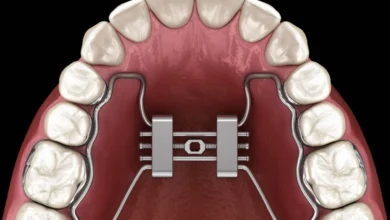
- Palatal Expanders: Fixed or removable devices designed to widen the upper jaw, effectively creating space for crowded teeth and correcting crossbites.
- Partial Braces: Limited placement of brackets on specific teeth to correct severe crossbites, protruding front teeth, or harmful oral habits like thumb-sucking.
- Space Maintainers: Custom devices used to hold space open when a baby tooth is lost prematurely, preventing neighboring teeth from drifting.
- Functional Appliances: Devices that help modify the growth rate of the lower jaw relative to the upper jaw.
Data indicates that only a subset of children evaluated at age seven require Phase 1 treatment. For the majority of patients, the orthodontist simply implements a periodic observation program, tracking growth at regular intervals—typically every six to twelve months—until the optimal time for comprehensive adolescent treatment (Phase 2) arrives.
Clinical Perspectives and Professional Consensus
Dental professionals emphasize that parents should not rely on self-diagnosis or wait for a referral from a general family dentist to seek an orthodontic opinion. While general dentists provide critical routine cleanings and cavity prevention, orthodontists possess specialized, multi-year postgraduate training focused exclusively on the alignment of teeth, bite mechanics, and facial growth modification.
Industry experts note that many serious bite and skeletal problems develop subtly and remain hidden beneath the surface during early childhood. A straight-looking smile can easily mask underlying skeletal misalignments that worsen over time if left unmonitored. By consulting directly with a certified orthodontist, parents gain access to comprehensive diagnostic imaging and expert clinical analysis that account for both immediate dental health and long-term facial aesthetics.
Furthermore, professional organizations stress that early evaluations provide substantial psychological benefits. Identifying issues early allows families to plan financially and logistically for future treatments, while also alleviating children’s anxieties about future dental procedures through early, low-pressure familiarization with the orthodontic office environment.
Broader Impacts and Long-Term Implications of Early Evaluation
The decision to pursue an early orthodontic evaluation extends far beyond cosmetic appeal. Functional occlusion—how the upper and lower teeth meet during biting, chewing, and speaking—plays a critical role in long-term oral health. Misaligned bites can lead to uneven tooth wear, chronic jaw joint pain (temporomandibular joint disorders), gum recession, and difficulties with proper oral hygiene, which in turn increases the risk of tooth decay and periodontal disease.
From a public health perspective, early detection programs championed by orthodontic associations aim to reduce the complexity and cost of dental treatments later in life. Intercepting a severe crossbite or correcting a developing underbite while skeletal sutures are still pliable can avert the need for orthognathic jaw surgery during adulthood.
Ultimately, the persistent myth that parents must wait until every baby tooth has fallen out before visiting an orthodontist can lead to missed windows of developmental opportunity. By adhering to the recommended benchmark of an initial check-up by age seven—regardless of whether baby teeth remain—parents empower themselves with professional insights tailored to their child’s unique growth pattern. Whether the resulting plan involves immediate interceptive therapy, targeted appliance use, or simply watchful waiting through the mixed dentition years, proactive evaluation remains the cornerstone of modern, effective pediatric dental care.