IAPD August 2026 E-News: Preparing for the Global Summit in Barcelona and Advancing Paediatric Dental Standards

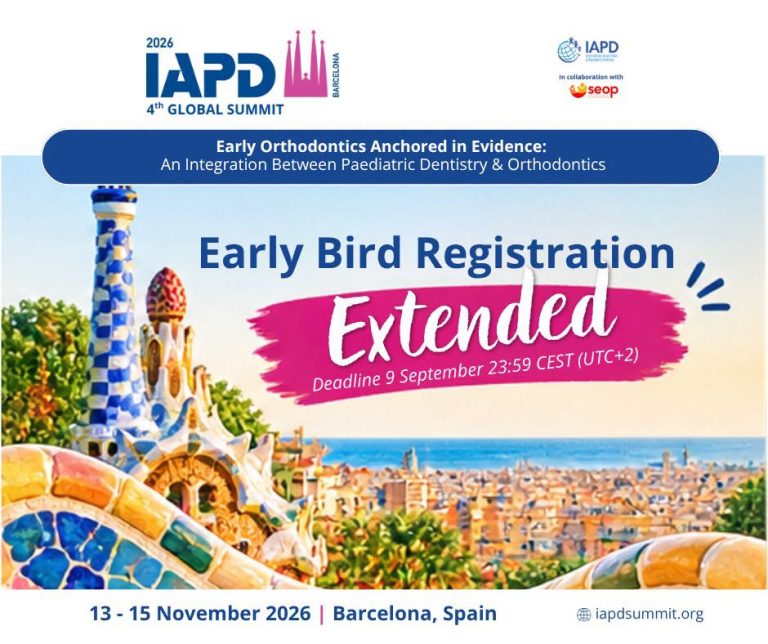
The International Association of Paediatric Dentistry (IAPD) has officially entered a critical phase of its 2026 calendar as it prepares for the 4th Global IAPD Summit, scheduled to take place in Barcelona. With the registration deadline for the Early Bird rate extended to September 9, 2026, the organization is focusing on consolidating its global membership and providing the necessary logistical infrastructure to ensure a robust international turnout. The summit, which serves as a cornerstone for scientific exchange and professional development within the field of paediatric dentistry, is expected to draw experts, practitioners, and researchers from across the globe to engage in collaborative discourse.
The Countdown to the 4th Global IAPD Summit
The decision to extend the Early Bird registration deadline is reflective of the high interest and logistical complexities associated with the upcoming summit. For many practitioners, attending an international event of this magnitude requires significant planning, particularly regarding travel logistics and visa processing. By providing an additional window of opportunity, the IAPD aims to facilitate wider attendance for those who have faced administrative delays or scheduling conflicts.

The summit in Barcelona is designed to be more than a traditional academic conference; it is a collaborative hub. The agenda features three intensive days of programming, emphasizing the integration of clinical science, evidence-based practices, and community-driven health initiatives. The IAPD leadership has underscored the importance of active membership, noting that while the summit is open to the broader dental community, members benefit from prioritized access and exclusive registration rates. This emphasis on membership serves a dual purpose: it strengthens the collective bargaining and advocacy power of the IAPD while ensuring that those who contribute to the organization’s ongoing research efforts receive due recognition.
Visa Support and Logistical Coordination
A significant hurdle for any international medical summit is the facilitation of travel for delegates from diverse jurisdictions. The IAPD has proactively addressed the necessity for administrative support by streamlining its visa invitation letter process. Registered delegates are being urged to initiate their requests immediately upon securing their conference tickets. By maintaining a dedicated channel for correspondence with the Congress Team, the IAPD seeks to mitigate the risks of visa denials or processing backlogs that have historically hindered participation in large-scale professional gatherings.
This administrative effort is symptomatic of a larger trend in international professional organizations, where the burden of facilitating cross-border movement has become a central component of event management. The IAPD’s proactive stance demonstrates a commitment to inclusivity, ensuring that geographic location does not act as a barrier to the dissemination of clinical knowledge.

The Fluoriders Initiative and Public Health Engagement
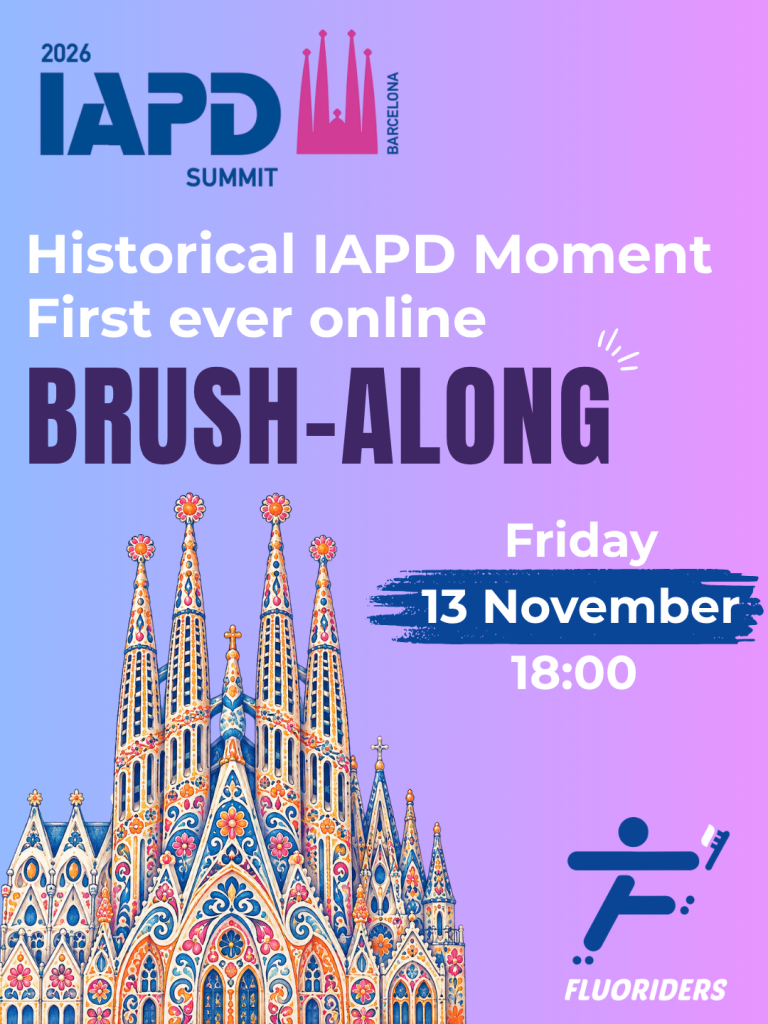
Beyond the walls of the conference hall, the IAPD is leveraging its digital platforms to promote oral health awareness through the "Fluoriders" initiative. This campaign, centered on the "Happy Teeth Song" and the "Fluoriders Dance Challenge," represents a shift toward more accessible, high-engagement public health communication. The campaign is not merely a social media exercise; it is a targeted effort to translate complex pediatric dental guidelines into actionable, daily habits for families and school communities.
The climax of this initiative is scheduled for November 13, 2026, when the organization will host a synchronized global event titled "Barcelona Brushes Together." During this two-minute window, the IAPD aims to achieve a simultaneous, global demonstration of proper brushing techniques. This event serves as a symbolic bridge between the academic discussions occurring at the summit and the real-world application of dental health practices. By encouraging practitioners to record and share their engagement with the "Fluoriders" movement, the IAPD is creating a digital archive of community health, which provides a tangible metric for the impact of their outreach efforts.
Clinical Standards: The Spotlight on Restorative Dentistry
In line with its mission to provide evidence-based guidance, the IAPD is currently highlighting its consensus recommendations on Restorative Dentistry in Children. These guidelines represent a departure from traditional "drill-and-fill" methodologies, favoring a more nuanced approach that prioritizes individual risk assessment.
The consensus highlights four primary strategies:
- Atraumatic Restorative Treatment (ART): Emphasizing minimal intervention to preserve tooth structure.
- Glass Ionomer Materials: Valued for their chemical bond to the tooth and fluoride-releasing properties.
- Preformed Metal Crowns: A standard for restoring heavily decayed primary molars.
- Zirconia Crowns: An increasingly preferred aesthetic and durable option for pediatric patients.
The analysis provided by the IAPD stresses that restorative treatment should never be viewed in isolation. Instead, it must be considered as part of a broader spectrum of care that includes diagnostic assessment, parental education, and longitudinal monitoring. This clinical philosophy reflects a global move toward precision dentistry, where the intervention is tailored to the child’s unique physiological and behavioral needs.
Professional Development and Scholarly Output
The educational ecosystem surrounding the IAPD is further bolstered by its ongoing webinar series and the continuous publication of the International Journal of Paediatric Dentistry (IJPD). The upcoming webinar on September 27, 2026, featuring Dr. Teresa Giral on the topic of "Color changes in primary teeth after traumatic injuries," exemplifies the organization’s commitment to addressing highly specific, yet frequently encountered, clinical challenges.
The IJPD, which has pivoted toward a digital-first distribution model, remains a primary repository for the latest advancements in the field. By integrating access to the journal directly into the IAPD Membership Portal, the organization has effectively removed technical barriers to information, allowing practitioners to access peer-reviewed research in real-time. This digital integration is essential for maintaining the agility of the pediatric dental community, ensuring that practitioners can adapt their clinical protocols based on the most recent findings in caries management, pulp therapy, and pediatric traumatology.
Furthermore, the IAPD is celebrating the success of its 2025 Fellowship program. The certification of new Fellows acts as a benchmark for professional excellence, ensuring that a standard of specialized care is maintained across international borders. As applications for the 2027 examinations open, the organization is setting a clear trajectory for the next generation of pediatric dental leaders.
Broader Impact and Future Outlook
The activities surrounding the August 2026 cycle reveal an organization in a state of high operational velocity. The convergence of academic rigor (via the IJPD and consensus recommendations) and public-facing advocacy (via the Fluoriders initiative) suggests a holistic approach to pediatric oral health.
From an analytical perspective, the IAPD’s strategy is designed to create a "closed-loop" system: practitioners receive high-level training and consensus-backed research, which they then implement in their clinics and share with their communities, ultimately leading to improved health outcomes for children globally. The Barcelona Summit will serve as the focal point for this cycle, allowing the organization to evaluate the success of its current initiatives and set the strategic agenda for the coming years.
For members and prospective attendees, the message is clear: the period leading up to November 2026 is one of preparation, collaboration, and active participation. As the deadline for Early Bird registration approaches, the focus remains on ensuring that the global pediatric dental community is equipped, informed, and ready to convene in Barcelona to address the evolving complexities of oral health in children. Whether through the lens of clinical research or public health advocacy, the IAPD continues to serve as the primary catalyst for progress in the field, bridging the gap between scientific discovery and daily clinical practice.