
A Primer On The Ever Popular Mediterranean Diet
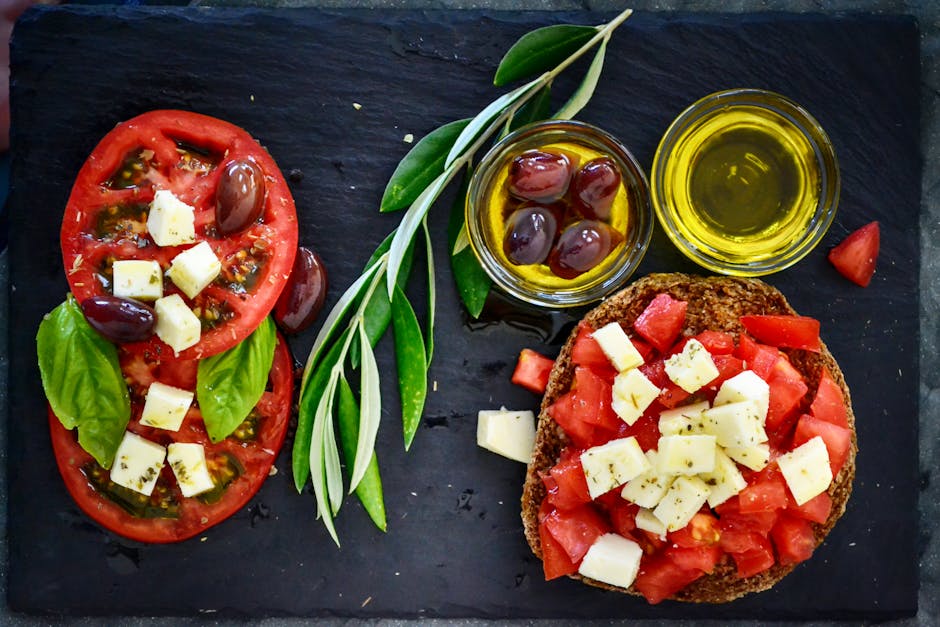
The Mediterranean Diet: A Comprehensive Guide to Health, Flavor, and Longevity
The Mediterranean diet isn’t a rigid regimen with strict calorie counts or prescribed portion sizes. Instead, it’s a lifestyle pattern that emphasizes foods traditionally eaten by people in countries bordering the Mediterranean Sea, such as Greece, Italy, Spain, and Morocco. This dietary approach has garnered significant global popularity due to its well-documented health benefits, including reduced risk of heart disease, stroke, type 2 diabetes, and certain cancers, as well as its association with increased longevity and improved cognitive function. At its core, the Mediterranean diet is characterized by a high intake of plant-based foods, healthy fats, and moderate consumption of animal products. Understanding the foundational principles and key food groups is crucial for successfully adopting this nourishing eating pattern.
Core Pillars of the Mediterranean Diet:
At the heart of the Mediterranean diet are several interconnected pillars that collectively contribute to its health-promoting profile. These pillars are not just about individual food items but about the overall balance and synergy of the diet.
-
Abundant Plant-Based Foods: This is arguably the most defining characteristic. The diet is rich in fruits, vegetables, whole grains, legumes, nuts, and seeds. These foods are packed with fiber, vitamins, minerals, antioxidants, and phytochemicals, all of which play vital roles in protecting the body from disease and promoting overall well-being. The sheer variety of these plant-based staples ensures a broad spectrum of nutrients.
-
Emphasis on Healthy Fats: The primary source of fat in the Mediterranean diet is olive oil, particularly extra virgin olive oil. This monounsaturated fat is rich in oleocanthal, a compound with anti-inflammatory properties similar to ibuprofen. Other healthy fat sources include avocados, nuts, and seeds, all of which contribute essential fatty acids crucial for brain health and reducing inflammation.
-
Moderate Fish and Seafood Consumption: Fish, especially fatty fish like salmon, mackerel, and sardines, are consumed regularly, typically several times a week. These are excellent sources of omega-3 fatty acids, which are vital for heart health, reducing inflammation, and supporting brain function.
-
Moderate Dairy and Poultry: While not a primary focus, dairy products, particularly yogurt and cheese, are consumed in moderation. Poultry is also eaten a few times a week. These provide protein and calcium.
-
Limited Red Meat and Sweets: Red meat is eaten infrequently, perhaps a few times a month, and often in smaller portions. Processed meats and sugary foods and drinks are significantly limited or avoided altogether. This reduction in saturated and trans fats, along with added sugars, is a major contributor to the diet’s heart-protective benefits.
-
Herbs and Spices for Flavor: Instead of relying on salt or rich sauces, Mediterranean cuisine heavily utilizes fresh and dried herbs and spices to enhance flavor. This not only adds deliciousness but also provides additional antioxidants and anti-inflammatory compounds. Common examples include oregano, basil, rosemary, thyme, garlic, and onion.
-
Enjoyment of Meals and Social Connection: Beyond the food itself, the Mediterranean lifestyle emphasizes the enjoyment of meals, often shared with family and friends. This social aspect contributes to a more relaxed approach to eating, which can aid digestion and promote mindful consumption.
-
Regular Physical Activity: While not strictly dietary, regular physical activity, such as walking, is an integral part of the Mediterranean way of life and complements the health benefits of the diet.
Key Food Groups and Their Benefits:
Delving deeper into the specific food groups that form the foundation of the Mediterranean diet reveals their unique nutritional contributions and health advantages.
-
Fruits and Vegetables: These are the undisputed stars. Aim for a wide variety of colors to ensure a diverse intake of vitamins, minerals, and antioxidants. Berries are packed with anthocyanins, citrus fruits provide vitamin C, leafy greens offer folate and iron, and cruciferous vegetables like broccoli and cauliflower are rich in cancer-fighting compounds. Their high fiber content promotes satiety, aids digestion, and helps regulate blood sugar levels. The antioxidants present combat oxidative stress, a key factor in aging and chronic disease development.
-
Whole Grains: Opt for whole grains over refined grains whenever possible. This includes whole wheat bread and pasta, brown rice, quinoa, oats, barley, and farro. Whole grains retain their bran and germ, providing essential fiber, B vitamins, and minerals like magnesium and selenium. Their complex carbohydrate structure leads to a slower release of glucose into the bloodstream, preventing energy spikes and crashes and contributing to better blood sugar control. They are also instrumental in promoting gut health by acting as prebiotics for beneficial gut bacteria.
-
Legumes: Beans, lentils, chickpeas, and peas are nutritional powerhouses. They are excellent sources of plant-based protein, complex carbohydrates, and fiber, making them incredibly satiating and beneficial for blood sugar management. They also provide important minerals like iron and folate. Their versatility makes them a staple in soups, stews, salads, and dips. Incorporating legumes regularly can significantly boost protein intake without the saturated fat associated with animal sources.
-
Nuts and Seeds: Almonds, walnuts, pistachios, sunflower seeds, pumpkin seeds, and flaxseeds are rich in healthy fats (monounsaturated and polyunsaturated), protein, fiber, vitamins (like vitamin E), and minerals (such as magnesium and zinc). Walnuts, in particular, are a notable source of omega-3 fatty acids. They contribute to heart health by helping to lower LDL cholesterol and reduce inflammation. They also provide a satisfying crunch and can be incorporated into meals and snacks.
-
Olive Oil: Extra virgin olive oil is the cornerstone of the Mediterranean diet’s fat profile. Its high concentration of monounsaturated fatty acids is associated with improved cholesterol levels and reduced risk of cardiovascular disease. The polyphenols and antioxidants in extra virgin olive oil offer potent anti-inflammatory and cardioprotective effects. It should be used generously as a primary cooking fat and for dressings.
-
Fish and Seafood: Fatty fish like salmon, mackerel, herring, sardines, and anchovies are rich in omega-3 fatty acids (EPA and DHA), which are crucial for brain health, reducing inflammation, and supporting cardiovascular function. Aim for at least two servings of fish per week. Other seafood, such as shrimp and mussels, also provide lean protein and essential nutrients.
-
Dairy: While not central, moderate consumption of yogurt and cheese, particularly fermented dairy, is common. These offer calcium, protein, and probiotics, which are beneficial for gut health. Opt for plain, unsweetened yogurt and consider cheeses with lower saturated fat content when possible.
-
Herbs and Spices: These are flavor enhancers that also offer health benefits. Garlic, onions, basil, oregano, rosemary, thyme, and mint are packed with antioxidants and anti-inflammatory compounds. They reduce the need for added salt, which is beneficial for blood pressure management.
Implementing the Mediterranean Diet into Your Lifestyle:
Adopting the Mediterranean diet is a journey, not an overnight transformation. Gradual changes and a focus on sustainable habits are key.
-
Start with Small Swaps: Begin by incorporating more fruits and vegetables into your daily meals. Swap refined grains for whole grains. Choose olive oil as your primary cooking fat.
-
Focus on Whole, Unprocessed Foods: Prioritize ingredients in their natural state. This means cooking from scratch more often and reading food labels to avoid hidden sugars, unhealthy fats, and excessive sodium.
-
Embrace Legumes: Make legumes a regular part of your diet. Add them to salads, soups, stews, or create flavorful dips like hummus.
-
Increase Fish Consumption: Aim for at least two servings of fatty fish per week. Explore different recipes to find your favorites.
-
Nuts and Seeds as Snacks: Keep a variety of nuts and seeds on hand for healthy, satisfying snacks. Portion control is important due to their calorie density.
-
Flavor with Herbs and Spices: Experiment with different herb and spice combinations to elevate the taste of your dishes without relying on salt or unhealthy sauces.
-
Hydration is Key: Drink plenty of water throughout the day. Unsweetened herbal teas are also a good choice. Limit sugary drinks and excessive alcohol consumption.
-
Mindful Eating: Pay attention to hunger and fullness cues. Eat slowly, savoring each bite. This can lead to better digestion and prevent overeating.
-
Enjoy Your Meals: Make mealtimes a pleasurable experience. Gather with loved ones when possible. This fosters a positive relationship with food.
-
Regular Physical Activity: Integrate regular movement into your routine. This can be anything from brisk walking and cycling to swimming or dancing.
Nutritional Profile and Health Benefits:
The Mediterranean diet’s composition naturally aligns with optimal health outcomes. Its emphasis on unsaturated fats, fiber, and antioxidants, coupled with limited intake of saturated fats and added sugars, contributes to a wealth of proven health advantages.
-
Cardiovascular Health: This is perhaps the most extensively studied benefit. The diet’s components – particularly olive oil, fatty fish, fruits, vegetables, and nuts – work synergistically to lower LDL ("bad") cholesterol, raise HDL ("good") cholesterol, reduce blood pressure, and decrease the risk of blood clots. This significantly lowers the risk of heart attack and stroke.
-
Diabetes Prevention and Management: The high fiber content and complex carbohydrates in whole grains and legumes promote stable blood sugar levels, preventing sharp spikes and crashes. This makes the Mediterranean diet an effective strategy for preventing type 2 diabetes and for managing existing diabetes.
-
Weight Management: While not a calorie-restrictive diet, the Mediterranean pattern’s emphasis on whole, fiber-rich foods promotes satiety, helping individuals feel fuller for longer. This can naturally lead to reduced calorie intake without the feeling of deprivation often associated with restrictive diets.
-
Cancer Prevention: The abundance of antioxidants, phytochemicals, and fiber in fruits, vegetables, and whole grains plays a protective role against certain types of cancer, particularly colorectal, breast, and prostate cancers. These compounds help neutralize free radicals, which can damage cells and contribute to cancer development.
-
Cognitive Health: Omega-3 fatty acids found in fatty fish are crucial for brain function and development. Studies suggest that adherence to the Mediterranean diet is associated with a reduced risk of cognitive decline, dementia, and Alzheimer’s disease, likely due to its anti-inflammatory properties and beneficial effects on vascular health.
-
Reduced Inflammation: Chronic inflammation is a root cause of many diseases. The olive oil, fatty fish, fruits, vegetables, and herbs in the Mediterranean diet are rich in anti-inflammatory compounds that combat this process throughout the body.
-
Longevity: Numerous epidemiological studies have linked adherence to the Mediterranean diet with increased lifespan. This is a testament to the diet’s holistic approach to health, addressing multiple risk factors for chronic disease and promoting overall well-being.
Dispelling Common Misconceptions:
Despite its popularity, some common misconceptions about the Mediterranean diet persist.
-
It’s not just about pasta and pizza: While these are Italian staples, the traditional Mediterranean diet is far more diverse and focuses on whole grains, legumes, vegetables, and healthy fats rather than refined versions and excessive cheese or meat.
-
Wine is not mandatory: While moderate red wine consumption is often associated with the diet, it is not a requirement. Water and herbal teas are excellent alternatives for hydration.
-
It doesn’t exclude all animal products: Dairy and poultry are included in moderation, and fish is a regular component. The key is balance and prioritizing plant-based foods.
-
It’s not a restrictive "diet" in the modern sense: It’s a sustainable lifestyle pattern that emphasizes enjoyable, nutrient-dense foods, making it easy to follow long-term.
Conclusion:
The Mediterranean diet represents a time-tested, scientifically validated approach to nutrition that prioritizes whole, unprocessed foods, healthy fats, and a balanced lifestyle. Its profound impact on cardiovascular health, metabolic function, cognitive well-being, and longevity makes it an unparalleled dietary model. By understanding its core principles and embracing its delicious, versatile food groups, individuals can embark on a journey toward sustained health, vitality, and a more vibrant life, richly seasoned with the flavors of the Mediterranean.
