August 2026 E-News Update: IAPD Global Summit, Membership Milestones, and Pediatric Dentistry Advancements

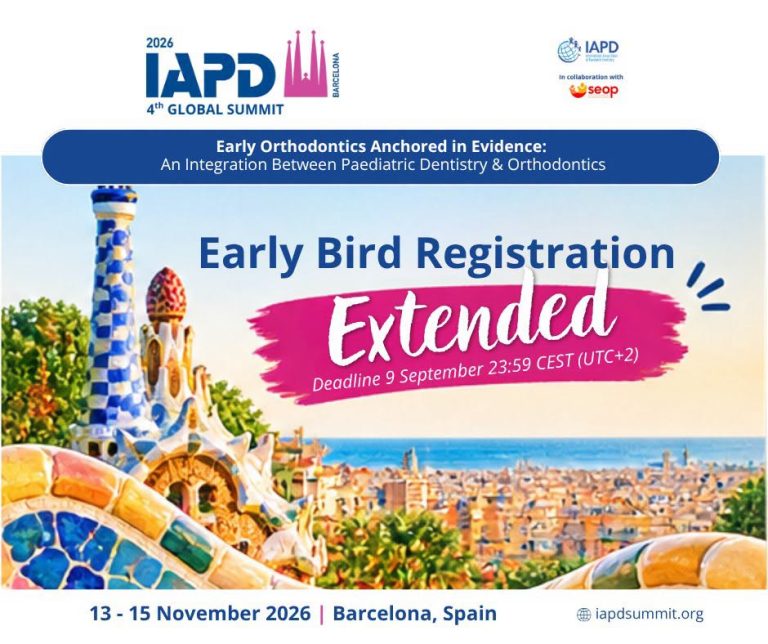
The international pediatric dentistry community is entering a critical window of preparation as the 4th Global IAPD Summit in Barcelona approaches. With the official extension of the Early Bird registration deadline to September 9, 2026, the International Association of Paediatric Dentistry (IAPD) is intensifying efforts to consolidate global attendance for what is expected to be a landmark event in the field. The summit, which serves as a nexus for scientific exchange, clinical collaboration, and policy development, represents the culmination of two years of organizational strategy aimed at advancing oral health outcomes for children worldwide.
The Strategic Importance of the 4th Global IAPD Summit
The choice of Barcelona as the host city for the 2026 summit underscores the IAPD’s commitment to facilitating accessible, high-level professional development. The summit is not merely a conference; it is a strategic platform designed to address the widening gap in pediatric oral health care access in both developed and emerging economies.

The scientific program, currently being finalized, will feature a multidisciplinary approach, blending clinical innovation with public health policy. By extending the early-bird registration period, the IAPD leadership aims to maximize inclusivity, ensuring that practitioners from diverse economic backgrounds can secure participation at a reduced rate. This extension reflects a broader trend in professional medical conferences, where the emphasis has shifted toward broadening geographic representation to ensure global best practices are shared across borders.
Clinical Excellence and Consensus Recommendations
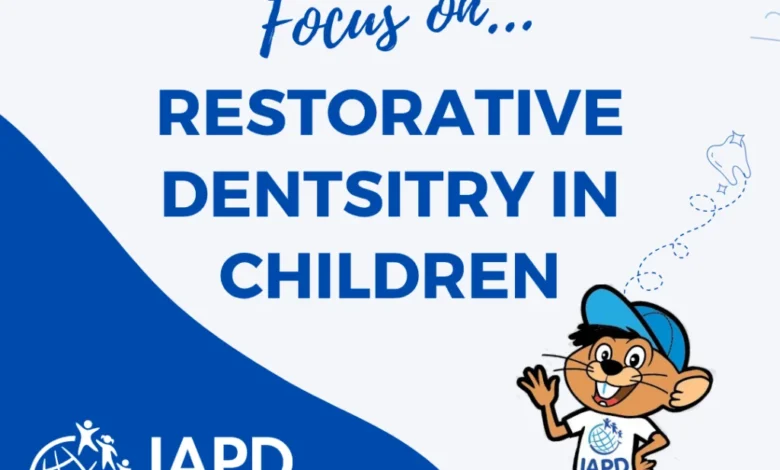
Central to the IAPD’s mission is the development and dissemination of consensus-based clinical guidelines. The current focus on the "Consensus Recommendation on Restorative Dentistry in Children" highlights a paradigm shift in modern pediatric practice. Historically, the profession relied heavily on aggressive restorative techniques. However, the current consensus emphasizes a "minimally invasive" philosophy.
This approach mandates a rigorous assessment of individual caries risk before any physical intervention is performed. The recommended clinical pathways include the utilization of atraumatic restorative treatment (ART), the application of glass ionomer materials, and the use of preformed metal or zirconia crowns where appropriate. This clinical evolution is significant; it moves the profession away from a "one-size-fits-all" model and toward a personalized, risk-based methodology. For the practitioner, this requires a deeper understanding of biomaterials and a more nuanced approach to clinical judgment, balancing the longevity of the restoration against the biological preservation of tooth structure.

The Role of Advocacy and Community Engagement
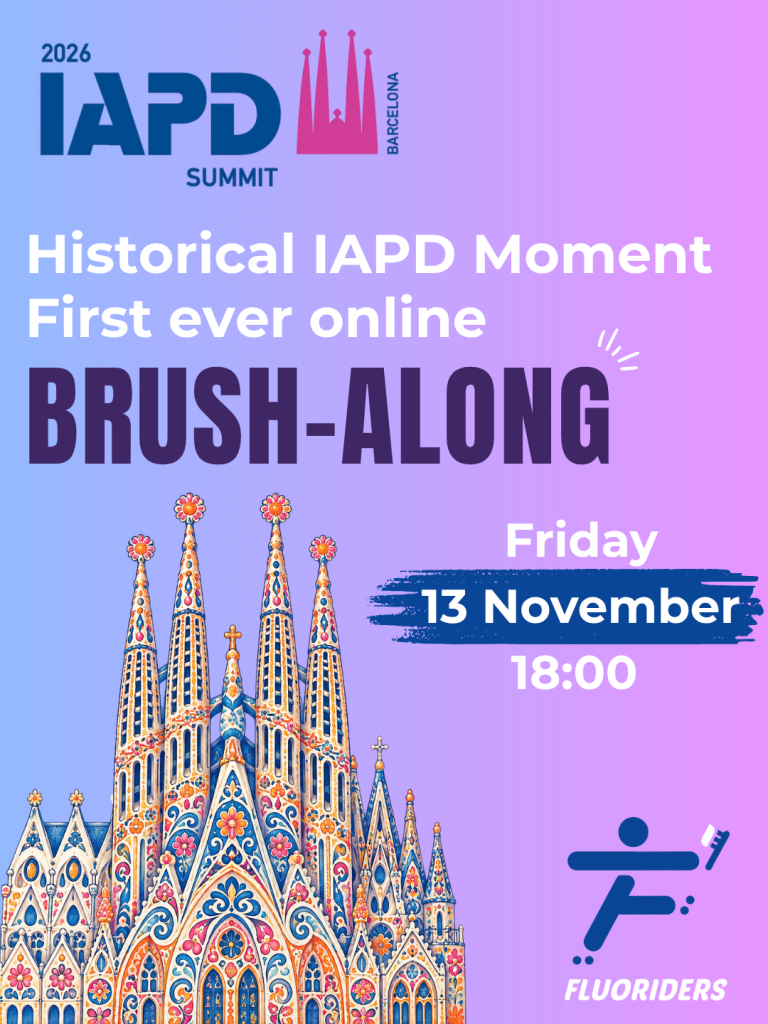
Beyond the clinical sphere, the IAPD is leveraging creative advocacy through the "Fluoriders" initiative. By integrating social media engagement, the "Happy Teeth Song," and the "Barcelona Brushes Together" event—scheduled for November 13, 2026—the organization is attempting to bridge the gap between academic research and public health awareness.
This initiative is not merely performative; it serves a pedagogical purpose. By encouraging dentists, families, and schools to participate in a synchronized brushing event, the IAPD aims to create a viral, positive reinforcement loop regarding fluoride usage. Public health data consistently shows that consistent, early-age exposure to fluoride is the most cost-effective method for reducing the incidence of dental caries. By gamifying this message, the IAPD is attempting to increase the "stickiness" of public health communication, which is traditionally dry and often overlooked by the general public.
Operational Logistics and Visa Support
As international travel logistics remain complex, the IAPD has streamlined its administrative processes for delegates. Recognizing that visa processing times for international conferences can be substantial, the Congress Team has initiated a dedicated support channel to provide official invitation letters.
The importance of this administrative support cannot be overstated. For many practitioners in the Global South, the primary barrier to participating in international summits is not the cost of registration, but the administrative hurdle of obtaining travel documentation. By providing proactive support, the IAPD is reducing the "friction" associated with international participation, which is essential for maintaining the truly global character of the organization.
Educational Infrastructure: Webinars and Professional Certification
The IAPD continues to expand its digital educational footprint through the IAPD Video Lecture Centre and a robust webinar schedule. The upcoming session on September 27, led by Dr. Teresa Giral, focusing on "Color changes in primary teeth after traumatic injuries," serves as a prime example of the high-level, niche education that the association provides.
The shift toward a "digital-first" model for the International Journal of Paediatric Dentistry (IJPD) has also allowed for greater agility in publishing. As research in pediatric dentistry moves at an accelerated pace, the ability for members to access peer-reviewed, high-impact studies via the IAPD Membership Portal is a significant value-add. Furthermore, the celebration of the 2025 cohort of IAPD Fellows signals a strong commitment to standardized professional excellence. The examination process for Fellowship is rigorous, ensuring that those who hold the title have demonstrated a high level of clinical competence and theoretical knowledge.
Future-Proofing the Profession
The broader implications of the current IAPD activities suggest a profession in transition. The integration of digital health, the adoption of minimally invasive restorative materials, and the increased focus on global health equity are defining the 2026 agenda.
Data from the International Journal of Paediatric Dentistry indicates that while caries remains the most common chronic disease in children, the prevalence and severity are highly correlated with socio-economic factors. The IAPD’s current strategic direction—combining high-level clinical consensus with widespread public health outreach—is a direct response to this disparity.
The organization is also positioning itself to be more responsive to national member societies. By allowing these societies to showcase their own events on the IAPD website, the organization is decentralizing its communications, effectively creating a global network of local expertise. This bottom-up approach to information sharing is expected to strengthen the collective knowledge base of the profession, as innovations in one region can be rapidly adopted or adapted in another.
Conclusion: Preparing for November
As the countdown to the 4th Global IAPD Summit intensifies, the professional community is encouraged to finalize their participation. The convergence of clinical expertise, research dissemination, and advocacy efforts in Barcelona will serve as a bellwether for the future of pediatric dentistry.
For the individual practitioner, the value of attending lies in the synthesis of these various elements: gaining access to the latest evidence-based consensus, refining clinical techniques, and participating in the global conversation on policy and public health. Whether through the pursuit of Fellowship, the engagement with the latest IJPD research, or the simple act of participating in the "Barcelona Brushes Together" initiative, members of the IAPD are contributing to a cohesive global strategy designed to ensure the next generation of children grows up with healthier, more resilient smiles.
With the deadline of September 9 fast approaching, the window to secure early-bird access to these resources is limited. The IAPD’s commitment to "Dancing, Learning, and Brushing" alongside its members serves as a reminder that the most effective health outcomes are those that are achieved through collaboration, science, and a shared sense of global purpose.
Related posts: