
Creative Ways To Use Herbs For Flavorful Meals
Unlocking Culinary Potential: Creative Herb Usage for Flavorful Meals
Fresh herbs are the unsung heroes of the culinary world, offering a vibrant spectrum of aromas and tastes that can elevate even the most humble dish from ordinary to extraordinary. Beyond simply sprinkling a few leaves on top, there’s a universe of creative applications for herbs that unlock their full flavor potential, transforming everyday cooking into an exciting exploration of taste and aroma. This article delves into innovative techniques and often-overlooked strategies for maximizing the impact of herbs in your kitchen, ensuring every meal is a flavorful masterpiece.
One of the most fundamental, yet often underutilized, methods for extracting maximum flavor from herbs is to understand their distinct aromatic compounds and how heat affects them. Woody herbs such as rosemary, thyme, and sage, with their more robust cell structures, benefit from longer cooking times. Incorporating them early in the cooking process, perhaps bundled in a bouquet garni or added directly to braises, stews, or roasts, allows their essential oils to slowly release and permeate the entire dish. Conversely, tender herbs like basil, cilantro, parsley, and mint possess delicate flavors that are easily destroyed by prolonged heat. For these herbs, adding them towards the end of cooking or as a fresh garnish is paramount. Consider whisking chopped basil into a marinara sauce just before serving for an explosion of fresh, peppery notes, or scattering torn mint leaves over a lamb tagine as it rests. Mastering this heat-sensitivity is a cornerstone of effective herb utilization.
Beyond direct addition, the art of creating infused oils and vinegars presents a potent avenue for consistent flavor delivery. Gently heating herbs in a neutral oil, such as olive or grapeseed oil, over low heat for an extended period allows the oil to absorb their essence without cooking the herbs themselves. Strain the oil, discarding the solids, and you’re left with a liquid gold infused with the herb’s aroma. This infused oil can then be used as a finishing drizzle on salads, grilled vegetables, or pasta dishes, providing a concentrated burst of flavor in every drop. Similarly, steeping herbs in vinegar, whether white wine, red wine, or apple cider vinegar, yields a flavorful condiment. Imagine the bright tang of lemon-infused rosemary vinegar drizzled over roasted potatoes or the subtle sweetness of basil vinegar dressing a Caprese salad. These infusions can be made in batches and stored, offering a convenient way to elevate multiple meals.
Roasting herbs alongside vegetables or proteins is another powerful technique. As herbs roast, their sugars caramelize, intensifying their flavor and lending a slightly smoky, toasty depth. Toss sprigs of thyme or rosemary with root vegetables before roasting, or place a few sprigs of sage inside a whole chicken cavity. The dry heat of the oven draws out moisture, concentrating the aromatic compounds and infusing the surrounding ingredients with their complex flavors. Don’t shy away from experimenting with this method for fruits as well; roasted peaches or pears with a hint of lavender or thyme can create surprisingly sophisticated desserts.
The culinary world also embraces the concept of "herb salts," a simple yet profoundly impactful way to preserve and amplify herb flavors. By finely chopping fresh herbs and thoroughly combining them with coarse sea salt or kosher salt, you create a seasoned salt that is far more nuanced than plain salt. The salt acts as a desiccant, drawing out moisture from the herbs and locking in their flavor. Allow the mixture to air dry for a few days, breaking up any clumps, and then store it in an airtight container. This herb salt can be used as a finishing salt on everything from scrambled eggs to grilled steaks, or as a base for rubs and marinades. Consider a smoky chipotle-lime herb salt for grilled corn or a refreshing lemon-dill herb salt for seafood.
Another creative application lies in the preparation of compound butters. Softened unsalted butter, whipped with finely chopped fresh herbs, garlic, and a pinch of salt and pepper, creates a luxurious spread that melts into hot dishes, imbuing them with rich, layered flavors. Think of a classic garlic-parsley compound butter for steak, or a more adventurous chive-lemon compound butter for salmon. These can be made ahead, shaped into logs, and chilled or frozen, ready to be sliced and added to pan sauces, melted over steamed vegetables, or spread on crusty bread. The possibilities are truly endless, allowing for quick flavor boosts at any stage of cooking.
Don’t underestimate the power of herb stems. While often discarded, the stems of herbs like parsley, cilantro, and dill are packed with flavor. They can be simmered in stocks, broths, or sauces to impart a deeper herbaceousness without the coarser texture of the leaves. Bundle them with other aromatics like onion skins and garlic cloves to create a foundational flavor for soups and stews. For tougher stemmed herbs like thyme and rosemary, the stems can even be used as natural skewers for smaller ingredients like cherry tomatoes or cubes of halloumi cheese.
Grilling and smoking herbs adds a unique dimension to their flavor. When placed directly on hot coals or wood chips, herbs release their essential oils in a burst of aromatic smoke. Rosemary sprigs can be used to add a smoky, piney note to grilled lamb or vegetables. Sage leaves, when lightly charred, develop a sweet, smoky flavor that pairs beautifully with pork. Even dried herbs can be added to wood chips for smoking, imparting a subtle yet distinct herbaceous aroma to whatever you’re cooking.
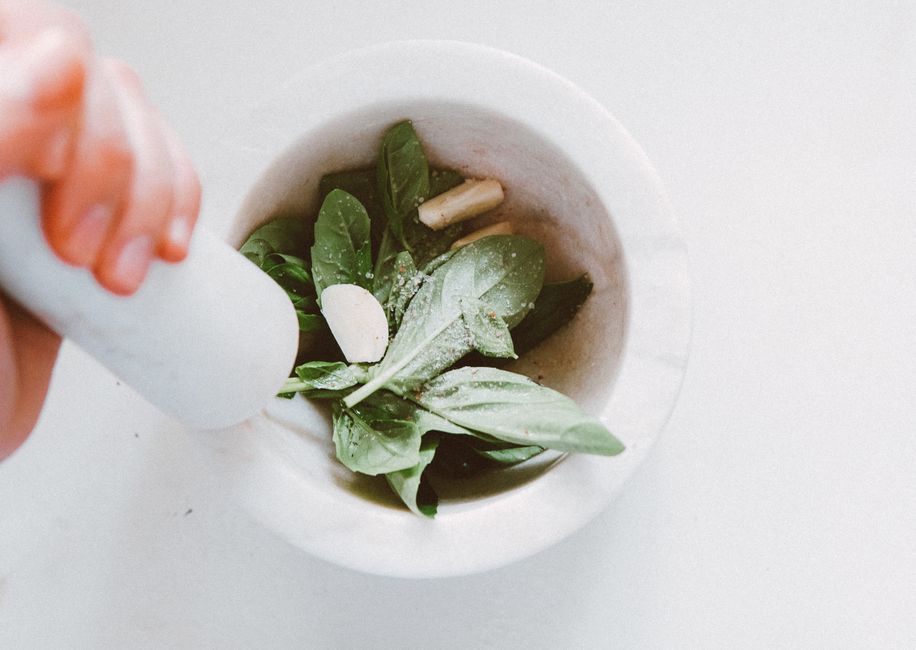
When it comes to salads and raw preparations, consider "herb purees" or "herb oils." A basil pesto is a classic example, but the concept can be extended to other herbs. Blend cilantro with a touch of lime juice and a little olive oil for a vibrant dressing for Mexican-inspired salads. Puree mint with yogurt and a hint of garlic for a refreshing accompaniment to roasted meats or grilled vegetables. These purees offer a concentrated and smooth texture that distributes flavor evenly throughout the dish.
Infusing liquids beyond oils and vinegars opens up further creative avenues. Consider infusing milk or cream with herbs like thyme or rosemary for a subtly flavored béchamel sauce or a creamy soup base. For a more exotic touch, infuse water or clear spirits with herbs like lemongrass or kaffir lime leaves to create refreshing beverages or cocktail bases. Even water can be infused with mint or cucumber for a hydrating and flavorful drink.
The concept of "herb garnishes" extends beyond mere visual appeal. Consider "fried herbs." Delicate herbs like parsley, cilantro, and basil can be quickly fried in hot oil until crispy. These fried herbs provide a delightful textural contrast and a concentrated burst of flavor. They can be crumbled over soups, salads, or pasta dishes, adding both visual interest and a satisfying crunch. Imagine crispy fried sage leaves atop a rich risotto or crispy fried rosemary sprigs scattered over roasted chicken.
For baked goods, don’t limit yourself to sweet herbs like mint. Savory herbs can add a surprising depth to breads, muffins, and even cakes. Finely chopped rosemary or thyme can be incorporated into a savory scone or a cornbread batter. Lemon zest and a hint of lavender can elevate a simple pound cake to something truly special. Even savory cookies can benefit from the addition of herbs like dill or chives.
Finally, embrace the idea of "herb infusions" in beverages, both alcoholic and non-alcoholic. Steep fresh ginger and mint in hot water for a soothing tea, or combine muddled basil with gin and lime for a refreshing cocktail. Even a simple pitcher of water can be transformed with slices of cucumber and sprigs of mint. This allows for a subtle yet pervasive way to enjoy the refreshing and invigorating qualities of herbs throughout the day. By consciously incorporating these diverse techniques, you can unlock a new level of flavor in your cooking, transforming everyday meals into memorable culinary experiences.
