DEXIS Unveils Sweeping Ecosystem Expansion at ILLUMINATE Keynote to Redefine Orthodontic and Dental Imaging Workflows

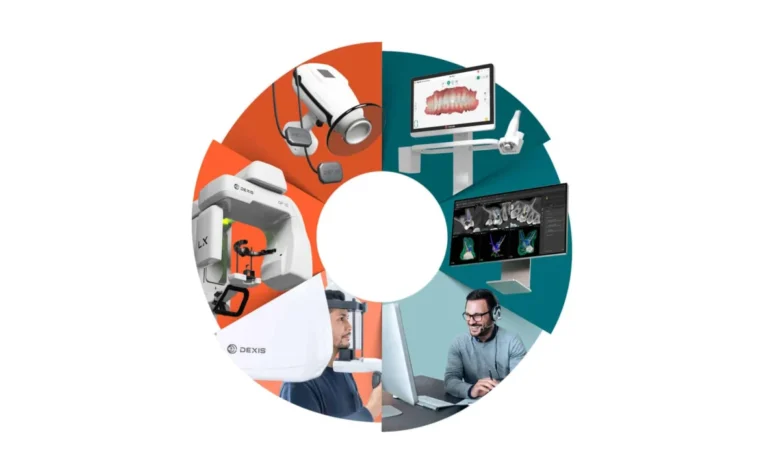
The landscape of digital dentistry underwent a significant shift on September 23, as DEXIS announced a comprehensive suite of technological advancements during its ILLUMINATE virtual keynote. This wide-ranging update, which encompasses hardware, software, cloud infrastructure, and innovative acquisition models, marks a strategic pivot toward a more interconnected, open-architecture ecosystem. By addressing persistent pain points—ranging from patient motion in CBCT imaging to the complexities of lab collaboration—DEXIS is positioning its suite of tools to meet the evolving demands of modern orthodontic and general dental practices.
A Chronology of Digital Transformation
The announcements follow a period of rapid industry consolidation and a growing preference for digital interoperability. Over the past five years, the dental imaging sector has moved away from proprietary "siloed" systems toward open platforms that allow clinicians to integrate diverse technologies.
The timeline of this shift has been accelerated by the widespread adoption of intraoral scanning (IOS) and the increasing complexity of 3D diagnostic requirements. DEXIS, through its parent company, has strategically aligned its product development to mirror these market pressures. The September 23 unveiling represents the culmination of an intensive development cycle aimed at closing the loop between image acquisition and clinical action. Key highlights include the introduction of the NOMAD Pro 3 handheld X-ray system, the debut of the SEAT Protocol within the IS ScanFlow software, and the expansion of the DEXIS IOS Cloud.
Addressing Clinical Bottlenecks: The Orthodontic Focus
While the DEXIS portfolio is extensive, several of the recent updates hold particular weight for orthodontists, who operate in a highly visual and data-dependent clinical environment. Among these is the introduction of a sophisticated Motion Correction feature for the ORTHOPANTOMOGRAPH OP 3D LX and EX CBCT units.
Patient movement is a perennial concern in orthodontic imaging, particularly when dealing with pediatric patients or individuals with sensory sensitivities. Motion artifacts—the "ghosting" or blurring that occurs when a patient shifts during a scan—can render high-resolution 3D data unusable, necessitating costly and time-consuming rescans. By utilizing advanced algorithms, the new Motion Correction software update effectively mitigates these artifacts.
Robert Befidi, president of DEXIS, underscored the significance of this development during an interview with Orthodontic Products. "Patient movement is one of the most common challenges in CBCT imaging," Befidi noted. "During development, we focused on the real-world situations clinicians encounter every day. Our goal was to create a solution that preserves diagnostic integrity without requiring the clinician to overhaul their existing scanning protocols."
This software-centric approach is notable because it provides existing users of the OP 3D LX and EX units with immediate access to improved diagnostic clarity without the capital expenditure typically associated with upgrading hardware. However, experts in dental radiology caution that such technology should not be viewed as a panacea. Proper patient positioning and clinician oversight remain the primary requirements for high-quality diagnostics, especially as AI-driven segmentation tools become more prevalent in treatment planning.
Enhancing Precision with Hardware Ergonomics
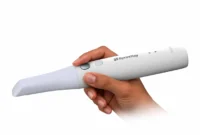
Beyond imaging software, DEXIS is addressing the physical limitations of chairside procedures through the introduction of a new slim tip for the DEXIS Imprevo intraoral scanner. Orthodontists frequently face anatomical challenges, such as limited oral opening in adolescents or restricted access to posterior segments in patients with narrow arches.
The slim tip is specifically engineered to improve maneuverability. For the modern orthodontic practice, where digital impressions are the cornerstone of aligner therapy, indirect bonding, and appliance fabrication, the efficacy of the scanner tip directly impacts the efficiency of the clinical workflow. By reducing the frequency of rescans caused by "blind spots" in the digital capture, this hardware enhancement contributes to both patient comfort and the overall throughput of the clinic.
The Shift Toward Open Collaboration
Perhaps the most significant long-term shift is the rebranding and expansion of IS Connect into the DEXIS IOS Cloud. The move reflects the industry’s transition from local, server-based data storage to cloud-native platforms that facilitate seamless collaboration between practitioners, specialists, and dental laboratories.
The updated platform now features direct integration with 3Shape, a move that is expected to resonate with practices that rely on a mix of vendors for their digital workflows. Additionally, expanded integrations with Asiga and SmileGrid demonstrate a commitment to an open-ecosystem philosophy.
"Our approach to an open ecosystem is centered on helping customers connect imaging, scanning, planning, and collaboration workflows without requiring them to work within a closed environment," said Befidi. "In practical terms, it means enabling data and workflows to move more easily between systems, helping practices maintain the flexibility to use the technologies they prefer while benefiting from a more connected experience."
For the orthodontic practice, this interoperability is not just a technical convenience; it is a vital operational requirement. As practices increasingly rely on multidisciplinary teams—involving periodontists, oral surgeons, and lab technicians—the ability to share high-fidelity diagnostic data without friction is critical to treatment outcomes.
Redefining Financial Accessibility: Hardware-as-a-Service
Perhaps the most disruptive announcement of the event was the introduction of a Hardware-as-a-Service (HaaS) subscription model, starting with the DEXIS Ti2 intraoral sensor. This model represents a departure from traditional capital equipment procurement, which typically requires a significant upfront investment and long-term depreciation management.
Under the new subscription structure, practices pay a predictable monthly fee that includes the hardware, support, and access to the connected ecosystem. This shift is likely a response to the growing desire among practitioners for greater financial agility. By lowering the barrier to entry for high-end technology, DEXIS is enabling smaller practices to compete on equal footing with larger groups.
Industry analysts suggest that if the HaaS model proves successful with the Ti2 sensor, it could set a precedent for the entire dental equipment market. If extended to more expensive capital assets, such as CBCT units or chairside milling machines, it could fundamentally alter the relationship between dental manufacturers and their end-users, moving from a transaction-based model to a long-term partnership-based model.
Broader Implications for the Digital Workflow
The collective impact of these updates suggests a broader trend in the dental industry: the commoditization of hardware and the increasing value of software-defined workflows. As hardware performance reaches a plateau in terms of raw resolution and speed, manufacturers are shifting their competitive focus to the integration layer—the "glue" that holds disparate systems together.
For the orthodontic community, these developments point toward a future where the distinction between imaging, scanning, and planning software continues to blur. As AI-powered diagnostic tools and automated treatment planning software become more sophisticated, the role of the clinician will evolve toward one of "digital orchestration," where the primary responsibility is managing the flow of information across an integrated network.
Conclusion: A Connected Future
The announcements made at the DEXIS ILLUMINATE event demonstrate a sophisticated understanding of the modern dental practice’s needs. By combining incremental hardware improvements, such as the slim tip for the Imprevo scanner, with structural changes like the IOS Cloud and the HaaS subscription model, DEXIS is attempting to create a more resilient and flexible digital environment.
As clinicians evaluate these new tools, the focus will likely remain on how these systems integrate into their existing routines. The promise of an open ecosystem, combined with the pragmatic approach to addressing common clinical challenges like patient motion and anatomical access, positions DEXIS as a key player in the ongoing digitization of dentistry. The coming months will be a critical test for these technologies as they are integrated into the real-world environments of busy orthodontic practices, where the true value of connectivity will be measured by its impact on clinical efficiency and patient outcomes.