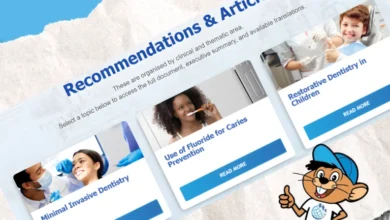
Professional Communication Frameworks for Pediatric Dentistry and Preventive Oral Health Care


The International Association of Paediatric Dentistry (IAPD) has recently formalized a comprehensive suite of communication principles designed to refine the critical interaction between dental practitioners and parents. This initiative, while strictly framed as an educational resource rather than a prescriptive clinical mandate, underscores a growing recognition within the global medical community that the efficacy of pediatric oral health interventions is inextricably linked to the quality of the practitioner-parent dialogue. By providing a structured approach to counseling, the IAPD aims to bridge the gap between clinical expertise and parental adherence, ultimately fostering better preventive outcomes for children worldwide.
Contextualizing the Need for Enhanced Communication
For decades, the field of pediatric dentistry has grappled with the "compliance gap"—the discrepancy between recommended preventive care regimens and the actual daily habits practiced at home. Research published in journals such as the International Journal of Paediatric Dentistry suggests that oral health literacy among parents remains a primary barrier to reducing early childhood caries (ECC). ECC remains the most prevalent chronic disease in children globally, despite being largely preventable.
The IAPD’s recent release of communication guidelines serves as a strategic response to these persistent challenges. The organization acknowledges that while clinical procedures like fluoride application and sealants are standard, the longevity of these treatments depends on the parent’s ability to manage diet, brushing frequency, and professional follow-ups. By disseminating these principles, the association seeks to transition the dentist’s role from a purely technical provider to an effective health educator capable of navigating complex behavioral and cultural landscapes.
Chronology of the Initiative
The development of these communication frameworks did not occur in a vacuum. It follows a multi-year effort by the IAPD to harmonize global standards for pediatric dental practice.
- 2020-2021: Initial research phase, involving global surveys of pediatric dentists regarding the primary hurdles in patient management. The data indicated that "parental resistance" and "lack of understanding" were cited by over 65% of respondents as significant obstacles to care.
- 2022: The establishment of a working group focused on the intersection of behavioral psychology and dental practice. This group began drafting modular communication strategies, testing them in diverse socioeconomic and cultural environments.
- Early 2023: Review sessions with international stakeholders, including national dental associations and child health experts, to ensure that the proposed guidelines were adaptable to various regional regulatory frameworks.
- Late 2023/Early 2024: Finalization and publication of the educational materials, accompanied by the explicit legal disclaimer intended to protect both the association and the individual practitioner from misinterpretation.
Data-Driven Justification for Behavioral Interventions
The necessity for such guidelines is supported by substantial clinical data. Studies indicate that interventions incorporating "Motivational Interviewing" (MI)—a collaborative conversation style for strengthening a person’s own motivation and commitment to change—result in significantly higher adherence rates compared to traditional, directive "advice-giving" models.
According to data from the World Health Organization (WHO), oral diseases affect nearly 3.5 billion people, with children in low-to-middle-income countries disproportionately affected. In scenarios where access to specialized dental care is limited, the preventive home-care routine becomes the most valuable asset in oral health. The IAPD’s materials emphasize that when a dentist uses supportive, reflective communication, parents are more likely to internalize the importance of preventive measures, leading to a measurable reduction in plaque indices and gingival inflammation in pediatric patients.
Analysis of the Legal and Professional Framework
A crucial component of the IAPD’s release is the inclusion of a rigorous disclaimer, which clarifies the status of these materials. In the modern healthcare climate, where "standard of care" is a legal term with significant liability implications, the IAPD has taken pains to delineate between "educational resources" and "professional standards."
The disclaimer specifies that these principles are not a substitute for clinical judgment. This is a critical distinction. In legal terms, "clinical judgment" refers to the practitioner’s ability to assess a patient’s unique physiological, psychological, and social context. By explicitly stating that the IAPD does not mandate these protocols, the organization protects itself from claims of liability while simultaneously empowering dentists to adopt these tools as they see fit. This approach reflects a modern trend in professional organizations: providing "best practice" frameworks that are flexible enough to withstand the scrutiny of varying local laws and cultural norms.
Implications for the Pediatric Dental Workforce
The implications of this initiative for the global dental workforce are profound. By shifting the focus toward effective communication, the IAPD is signaling a professional evolution. Dentists are being encouraged to see themselves as facilitators of change rather than just technicians of repair.
- Educational Integration: Dental schools are increasingly incorporating communication training into their curricula. The IAPD materials provide a ready-made framework that can be integrated into residency programs and continuing professional development (CPD) courses.
- Cultural Sensitivity: One of the most significant aspects of the new framework is its emphasis on cultural context. The guidelines acknowledge that what constitutes "effective communication" in a Scandinavian clinic may differ significantly from the approach required in a rural setting in Southeast Asia.
- Reducing Burnout: Research suggests that high-conflict interactions with parents are a leading cause of stress and burnout among pediatric dental practitioners. By equipping dentists with structured, evidence-based communication tools, the IAPD may indirectly improve the mental well-being of the workforce by reducing the emotional toll of difficult patient-parent encounters.
Official Reactions and Industry Perspective
While the IAPD has not released a formal statement from individual members, early feedback from regional dental boards has been largely positive. Proponents argue that the framework provides a much-needed common language for global pediatric dentistry.
"The challenge has never been the clinical science; it has always been the translation of that science into the daily lives of families," notes one independent consultant in dental public health. "The IAPD initiative provides a structured roadmap that acknowledges the complexity of that translation."
However, critics caution that the successful implementation of these materials depends heavily on the time allotted for patient visits. In many private and public healthcare systems, the "time-per-patient" metric is shrinking, making it difficult for practitioners to engage in the deep, reflective conversations the IAPD recommends. The challenge for the industry now lies in reconciling these high-quality communication standards with the fiscal and operational realities of modern dental practice.
The Broader Impact on Public Health
The long-term success of these communication guidelines will be measured by its impact on global oral health metrics. If the principles result in even a marginal increase in parental adherence to home-care routines, the downstream effect on pediatric oral health could be substantial. Fewer cavities mean less need for restorative procedures, reduced pain for children, and lower overall healthcare costs for families and insurance systems.
Furthermore, by fostering a more collaborative relationship between the dentist and the parent, the initiative helps to demystify oral health care. When parents feel empowered, they are more likely to seek out preventive services and engage in early intervention, which is the cornerstone of the IAPD’s mission.
Conclusion: A Foundation for Future Practice
The release of these communication principles by the International Association of Paediatric Dentistry marks a significant, if cautionary, step forward for the profession. It acknowledges that the future of oral health does not reside solely in the dental chair, but in the ongoing relationship between the practitioner, the child, and the family unit.
By framing these tools as educational rather than regulatory, the IAPD has struck a balance that respects the autonomy of the individual clinician while providing a sophisticated resource for professional growth. As the dental community continues to grapple with the complexities of modern pediatric care, these guidelines will likely serve as a foundational reference point, encouraging a more empathetic, effective, and collaborative approach to the vital work of protecting children’s oral health.
While the disclaimer reminds practitioners that they bear the ultimate responsibility for their clinical decisions, the message from the IAPD is clear: the path to better health outcomes is paved with better communication. Whether these tools are adopted wholesale or integrated into existing practices, their existence signifies a proactive shift in the global dental community’s commitment to excellence in every facet of patient care.