IAPD Global Updates: Advancing Pediatric Dentistry Through Innovation, Education, and Global Collaboration


The International Association of Paediatric Dentistry (IAPD) is accelerating its mission to elevate global oral health standards through a series of strategic initiatives, high-level summits, and educational frameworks designed to bridge the gap between clinical research and daily practice. As the organization prepares for its upcoming 4th Global IAPD Summit in Barcelona, it is simultaneously rolling out enhanced digital resources, professional communication toolkits, and international workshops that underscore its commitment to evidence-based pediatric care.
The 4th Global IAPD Summit: A Shift Toward Consensus-Driven Practice
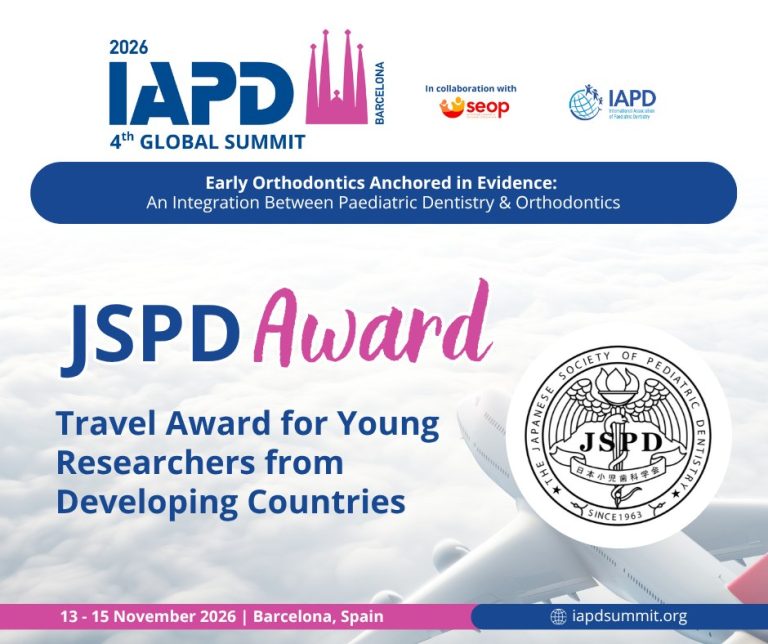
Scheduled for November 13–15, 2026, the 4th Global IAPD Summit in Barcelona represents a departure from traditional, lecture-heavy dental congresses. Instead, the IAPD is positioning this event as an interactive, collaborative forum. The primary objective is the development of a consensus-driven publication that will serve as a global benchmark for clinical practice.

Barcelona, a city synonymous with intellectual discourse and cultural heritage, will host international experts tasked with addressing the complex intersection of early orthodontics and pediatric dentistry. The summit’s theme, "Early Orthodontics Anchored in Evidence," highlights the growing clinical necessity for integrated approaches. By fostering an environment where experts challenge prevailing perspectives, the IAPD aims to move beyond theoretical research and arrive at actionable clinical guidelines that can be implemented in diverse healthcare settings, from high-resource urban clinics to underserved regional facilities.
Strengthening Research and Early-Career Development
A pivotal component of the IAPD’s strategy is the cultivation of the next generation of researchers. The Japanese Society of Pediatric Dentistry (JSPD) Travel Award remains a cornerstone of this effort. By providing financial support to early-career investigators and postgraduate students from developing nations, the IAPD is actively lowering the barrier to entry for international research presentation.
This initiative is not merely about financial aid; it serves as a critical mechanism for scientific democratization. Research in pediatric dentistry often suffers from regional silos, where findings in one geographic area remain unknown to practitioners in another. By facilitating the participation of young researchers from developing countries, the IAPD ensures that regional clinical experiences—often encompassing unique genetic, environmental, and socio-economic variables—are represented on the global stage. This infusion of diverse perspectives is essential for building a truly comprehensive body of evidence for pediatric oral health.
Digital Transformation of Clinical Resources
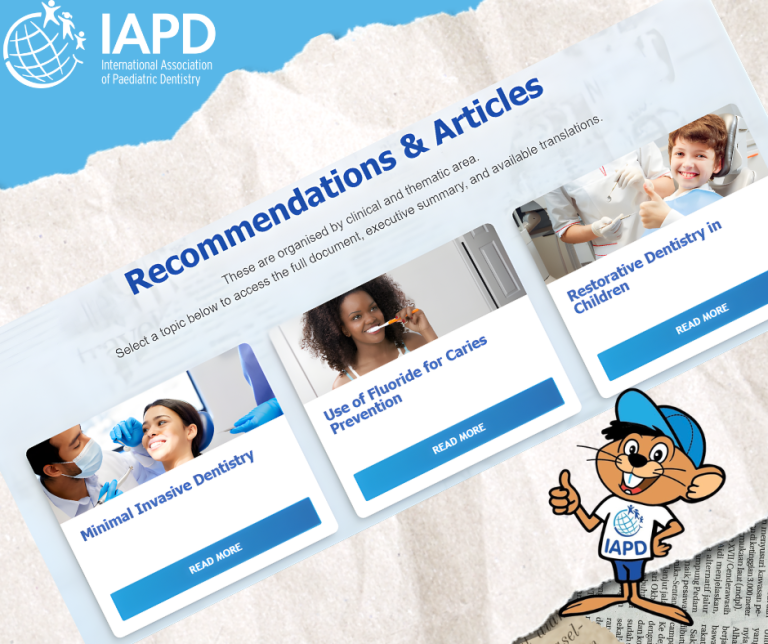
In an era of information overload, the IAPD has recognized the need for streamlined access to verified medical data. The recent launch of the redesigned IAPD Consensus Recommendations Hub is a direct response to the feedback from its international membership base. The platform has been optimized for improved accessibility, allowing practitioners to rapidly locate, download, and implement evidence-based protocols regarding fluoride application, early childhood caries prevention, and diagnostic best practices.
The move toward a more user-friendly digital interface is a significant development for practitioners who require real-time, evidence-based support during clinical consultations. By simplifying the path from research to the patient chair, the IAPD is effectively reducing the time-lag between the discovery of clinical best practices and their adoption by frontline providers.
Advancing Clinical Communication: The Fluoriders Corner
Clinical excellence is increasingly defined not only by technical proficiency but by the efficacy of the dentist-parent relationship. Recognizing that patient compliance is a primary hurdle in pediatric dentistry, the IAPD has expanded its "Fluoriders Corner" to include a dedicated section for professionals.
The new "For Professionals" page provides a framework centered on eight practical communication principles. These tools are designed to assist dentists in navigating the sensitive and often challenging conversations surrounding fluoride, parental hesitation, and preventive care. By providing clinicians with the language and psychological strategies to address these concerns, the IAPD is empowering practitioners to act as educators, thereby increasing the likelihood of long-term adherence to preventive oral health programs. This focus on communication science marks a sophisticated evolution in the organization’s educational offerings, acknowledging that technical expertise is insufficient if it cannot be communicated effectively to the primary stakeholders: the parents.
Expanding the Fellowship and Educational Reach
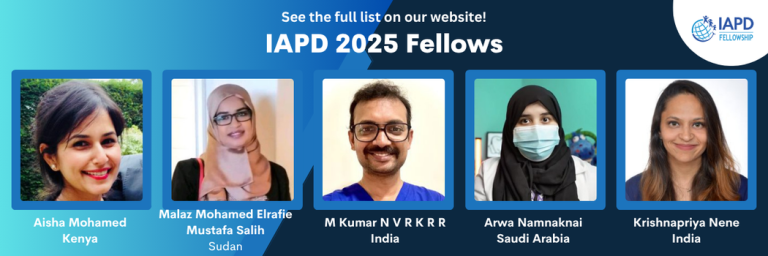
The success of the IAPD’s 2025 Fellowship program highlights a growing trend toward formal recognition and professional standardization. With applications now open for the 2027 examination cycle, the association continues to set rigorous benchmarks for pediatric dental specialists. These fellows act as ambassadors for the IAPD’s clinical standards, ensuring that high-quality, standardized care is maintained across various national borders.
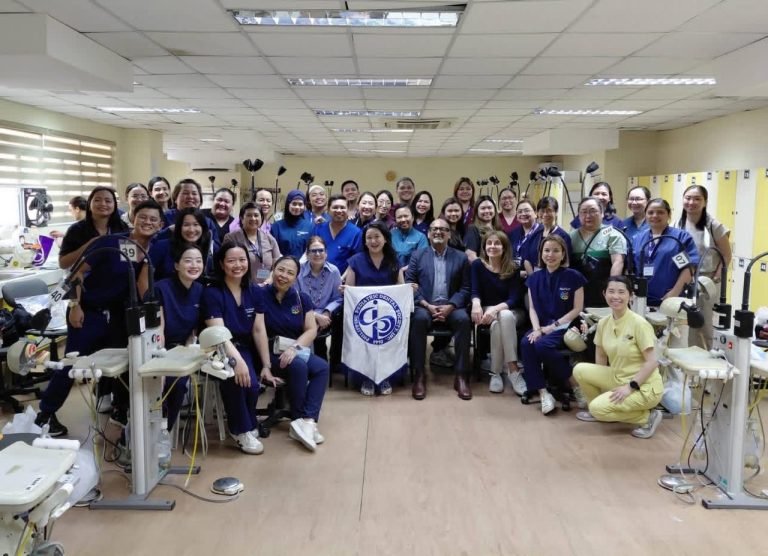
Furthermore, the recent "Teach the Teachers" Educational Workshop (TTEW) held in Manila on April 25–26, 2026, serves as a case study for the organization’s regional strategy. In collaboration with the Philippine Pediatric Dental Society, Inc., the TTEW utilized a two-day format—mixing high-level lectures with hands-on, practical training. Led by IAPD leadership, including Secretary General Dr. Anna Maria Vierrou, President Dr. Soni Stephen, and Board Member Dr. Marina Papachroni, the workshop demonstrated the tangible impact of international knowledge transfer. The integration of corporate partners, such as Ultradent Products, Inc. and SDI Limited, provided the necessary infrastructure to scale this initiative, proving that public-private partnerships remain a vital engine for professional development in dentistry.
Upcoming Educational Milestones and Webinars
The IAPD’s commitment to continuous professional development extends into the digital realm with an aggressive webinar schedule. The upcoming sessions, featuring experts such as Dr. Tetiana Peshko and Dr. Juan Fernando Yepes, focus on specialized topics including integrative caries prevention and pediatric radiology.
These webinars are more than supplementary learning; they are designed as high-fidelity educational tools. By restricting access to live participation, the IAPD ensures that members can engage directly with speakers, fostering a community of practice that transcends geographic boundaries. The ability to access these lectures within the IAPD Video Lecture Centre also provides a vital resource for members who cannot attend sessions in real-time due to varying time zones or clinical obligations.
Fact-Based Implications: Why These Initiatives Matter
The broader implications of the IAPD’s current trajectory are significant. By integrating clinical guidelines, communication training, research support, and high-level consensus summits, the organization is creating a closed-loop system of professional improvement.
- Standardization of Care: Through the Consensus Hub and Fellowship programs, the IAPD is narrowing the disparity in the quality of care between developed and developing nations.
- Behavioral Integration: The emphasis on the "Fluoriders" communication principles acknowledges that preventive dentistry is a behavioral challenge as much as a biological one.
- Collaborative Research: The focus on the Global Summit in Barcelona suggests that the future of dentistry lies in collaborative, multi-centric studies rather than isolated laboratory work.
The IAPD’s holistic approach to the profession—acknowledging the roles of the researcher, the teacher, the practitioner, and the communicator—positions it as the primary catalyst for the next decade of pediatric oral health. As the industry faces new challenges in digitalization and shifting global health policies, the organization’s focus on structured, evidence-based advocacy provides a necessary stable foundation for practitioners worldwide.
For members and prospective attendees, the message is clear: the IAPD is evolving into a more agile, accessible, and inclusive body. Whether through participation in the Barcelona summit or the utilization of the newly launched digital resources, practitioners are encouraged to engage with these platforms to ensure they remain at the vanguard of pediatric dental science. With the 2026 calendar packed with educational opportunities, the IAPD continues to demonstrate that it is not merely a professional society, but an essential infrastructure for the global pediatric dental community.