IAPD May 2026 Global Update: Summit Preparations, Digital Transformation, and Professional Commemoration

The International Association of Paediatric Dentistry (IAPD) is accelerating preparations for the 4th Global IAPD Summit, scheduled to take place in Barcelona, Spain, from November 13–15, 2026. This year’s assembly, themed Early Orthodontics Anchored in Evidence: An Integration Between Paediatric Dentistry & Orthodontics, signals a strategic shift toward interdisciplinary clinical practice. By bridging the traditional gap between paediatric dentistry and orthodontics, the Summit aims to establish new consensus-based guidelines that prioritize evidence-based intervention for the developing dentition.
The event, which serves as a cornerstone for international knowledge exchange, is expected to host a diverse faculty of researchers, clinicians, and policy experts. With registration and abstract submissions currently active, the IAPD is emphasizing the necessity of clinical data integration. The program is designed to move beyond theoretical lectures, focusing instead on interactive case studies and consensus-building sessions that reflect the complexities of modern pediatric oral health.

Chronology and Global Context of the 4th Global Summit
The trajectory of the IAPD Summit series highlights the growing necessity for global standardization in child oral care. Since the inception of the Global Summit, the organization has consistently aimed to address localized dental challenges with universal solutions. The 2026 Barcelona event follows a period of significant growth for the association, particularly in the wake of the 2025 outreach initiatives that saw an increase in membership engagement across Europe and the Americas.
The decision to focus on early orthodontics is a direct response to rising global concerns regarding malocclusions in pediatric populations. According to recent dental health surveys, the prevalence of orthodontic issues among children under the age of 12 has remained high, yet clinical approaches to early intervention—specifically regarding the timing of treatment—remain highly debated. By centering the 2026 summit on this theme, the IAPD is attempting to synthesize disparate regional practices into a unified, evidence-based global standard.
Professional Mourning: Honoring the Legacy of Prof. Hugo Furze
The dental community is currently observing a period of reflection following the passing of Professor Hugo Furze of Argentina, who served as IAPD President from 2003 to 2005. His tenure was defined by a commitment to the "globalization" of pediatric dentistry, a vision that helped the IAPD navigate a critical expansion period.

Colleagues remember Prof. Furze not only for his clinical acumen but for his diplomatic efforts in bridging the gap between Latin American dental associations and the wider international community. His leadership during the early 2000s is often cited as a turning point in the professionalization of the association, establishing the infrastructure that allowed for the high-level educational programs currently offered by the organization. His passing marks the end of a foundational chapter for the IAPD, leaving behind a legacy of collaborative research and cross-border clinical cooperation.
The Digital-First Shift: Sustainability in Scientific Publishing
In a move that aligns with global sustainability trends, the International Journal of Paediatric Dentistry (IJPD) has officially transitioned to an online-only publishing model. This shift is expected to have a profound impact on the association’s environmental footprint by eliminating the need for physical printing and international distribution of the journal.
From an administrative perspective, the digital-first approach ensures that IAPD members receive research updates in real-time. By utilizing the IAPD Membership Portal, the organization has created a centralized repository for scholarly material, which is accessible to practitioners in remote or resource-limited regions who previously faced delays in receiving print editions. This transition is not merely logistical; it represents a broader effort to modernize scientific communication, ensuring that high-quality, peer-reviewed data is disseminated efficiently to the clinicians who need it most.

International Collaboration at AAPD 2026
The IAPD’s recent involvement in the AAPD 2026 Annual Session in Las Vegas served as a high-profile demonstration of global partnership. A delegation of IAPD leadership, including President Dr. Soni Stephen and Secretary General Dr. Anna Maria Vierrou, led a featured session titled "Decision Making in the Developing Dentition: Global Perspectives on Early Intervention."
The session utilized live polling and interactive clinical decision-making, which provided the association with valuable qualitative data regarding how practitioners across different regions prioritize treatment. The feedback gathered during this session is expected to inform future policy recommendations, as it highlighted a divergence in diagnostic criteria between North American and European clinical models. This collaborative dialogue is essential for the IAPD as it moves toward the November summit, ensuring that the consensus guidelines developed in Barcelona are representative of global clinical realities rather than localized practices.
Supporting Academic Excellence: The Bengt Magnusson Memorial Prize
The sponsorship of the Bengt Magnusson Memorial Prize by Kids-e-Dental underscores the role of industry-academic partnerships in fostering child dental health research. Named after Professor Bengt Magnusson, a pioneer in the field who passed away in 1981, the prize rewards the most insightful essay on child dental health submitted during the IAPD Congress.

The sponsorship by Kids-e-Dental is viewed as a strategic investment in the future of the profession. As the industry shifts toward preventative and minimally invasive dentistry, the prize highlights research that addresses the aesthetic and functional needs of children. By supporting this award, the IAPD ensures that young researchers and clinicians are incentivized to contribute to the evolving literature on oral health, particularly in areas like dental anomalies—a topic currently in the IAPD spotlight.
Addressing Dental Anomalies: A Clinical Focus
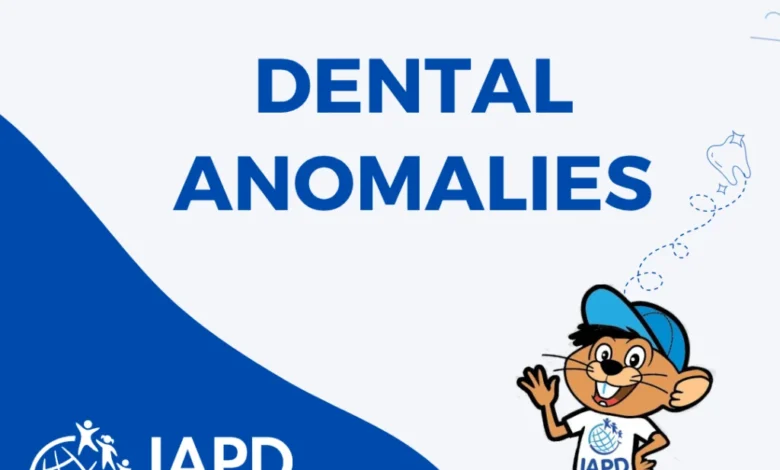
The IAPD’s current spotlight on its Consensus Recommendations for Dental Anomalies provides a roadmap for practitioners encountering complex developmental conditions. These conditions, which include amelogenesis imperfecta, hypodontia, and supernumerary teeth, often require multidisciplinary management. The IAPD’s updated guidance emphasizes that early diagnosis is not just a restorative necessity but a quality-of-life imperative.
The recommendations advocate for a shift from reactive to proactive treatment planning. By providing clear diagnostic pathways for conditions like dens invaginatus and dentin dysplasia, the IAPD is equipping pediatric dentists with the tools to manage long-term patient care. This approach is consistent with the association’s broader goal of integrating orthodontic and restorative strategies, ensuring that dental anomalies are treated with the full context of a child’s long-term oral development in mind.
Future Outlook and Educational Initiatives
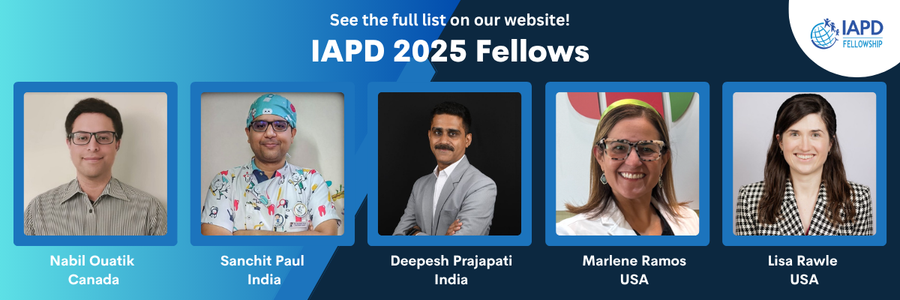
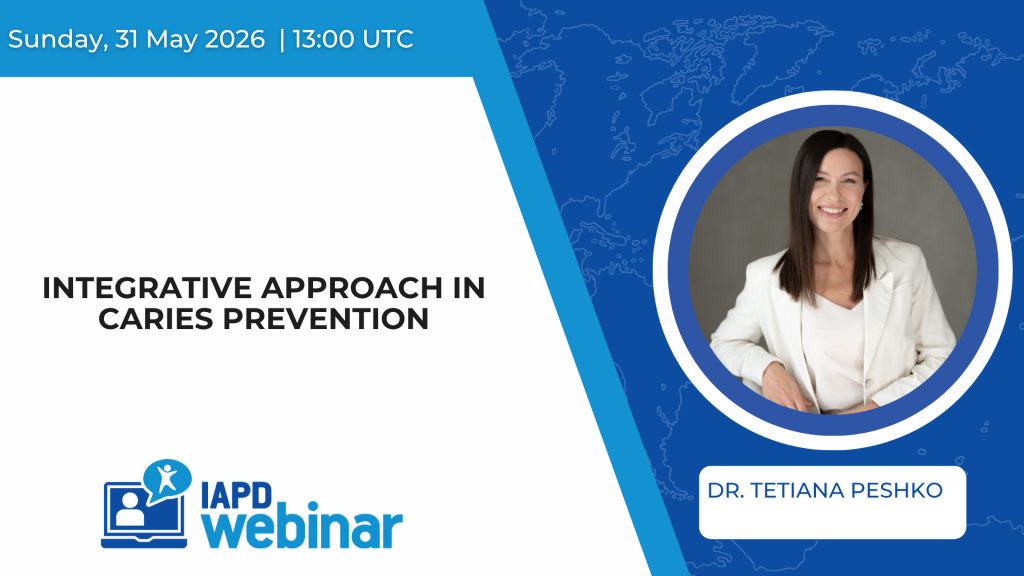
As the IAPD looks toward the latter half of 2026, its educational programming remains robust. With upcoming webinars featuring Dr. Tetiana Peshko and Dr. Juan Fernando Yepes, the association is maintaining a consistent cadence of high-level training. The focus on topics such as caries prevention and pediatric radiology indicates a commitment to covering the full spectrum of modern pediatric dentistry.
The success of these educational initiatives relies on the high level of engagement from the IAPD membership. The association continues to encourage members to utilize the Video Lecture Centre, which archives past sessions to ensure that educational content remains a durable resource. By restricting live access to the Zoom platform, the IAPD maintains a controlled, professional environment that encourages direct engagement between the lecturer and the audience, a hallmark of the association’s educational strategy.
Implications for the Global Pediatric Dental Community
The combination of the 4th Global IAPD Summit, the transition to digital publishing, and the ongoing collaborative efforts at international conferences signals a period of modernization for the IAPD. The association is moving toward a model where consensus is built on real-time data and international dialogue rather than static, regional traditions.
For the individual practitioner, these developments imply a higher standard of required engagement. As the lines between specialized fields—such as orthodontics and pediatric dentistry—continue to blur, the role of the pediatric dentist is expanding to include more complex diagnostic and interceptive duties. The IAPD’s role in this transition is critical; by providing the platform for consensus and the resources for continuous education, it remains the primary driver of quality improvement in global pediatric oral health. As November 2026 approaches, the global dental community remains focused on Barcelona, where the outcomes of these ongoing discussions will likely define the next decade of pediatric clinical practice.