Early Orthodontics Anchored in Evidence: An Integration Between Paediatric Dentistry & Orthodontics

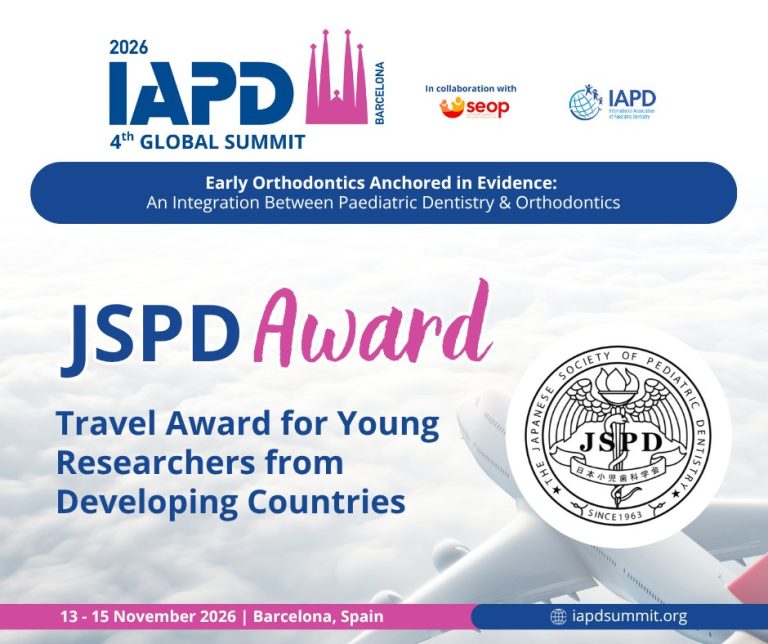
The International Association of Paediatric Dentistry (IAPD) is preparing to convene its 4th Global Summit in Barcelona, Spain, from November 13 to 15, 2026. This gathering represents a critical juncture for the global dental community, as it seeks to harmonize the disciplines of paediatric dentistry and orthodontics through a consensus-driven framework. Unlike traditional scientific congresses that prioritize didactic lecture formats, the IAPD Global Summit is structured as an interactive forum designed to facilitate high-level discourse, bridge the gap between emerging clinical research and daily practice, and ultimately produce a unified publication that will serve as a global benchmark for early orthodontic intervention.
Barcelona, recognized as a hub for both Mediterranean innovation and historical clinical influence, will host delegates from across the globe. The summit’s primary objective—anchoring early orthodontic treatment in rigorous, evidence-based science—addresses a long-standing debate within the profession regarding the timing, necessity, and long-term efficacy of interceptive orthodontic measures in children. By fostering collaboration between paediatric dentists and orthodontic specialists, the IAPD aims to move beyond isolated practice patterns toward a standardized, evidence-informed paradigm that prioritizes patient-centered, long-term oral health outcomes.

Evolution of the Global Summit Format
The IAPD’s decision to move toward a consensus-based summit model reflects a broader shift in international medical associations. Rather than simply disseminating information, the IAPD is leveraging its global membership to synthesize data. The 2026 summit serves as a laboratory for this synthesis. Participants will engage in working groups tasked with reviewing existing literature, identifying gaps in current pediatric orthodontic guidelines, and formulating recommendations that account for the diverse socio-economic and clinical environments in which IAPD members operate.
This collaborative approach is timely. As global health organizations increasingly emphasize the importance of early childhood oral health as a predictor of systemic well-being, the role of early orthodontic care—often involving myofunctional therapy, arch expansion, and space management—has come under increased scrutiny. The consensus document produced in Barcelona is expected to address these controversial areas, providing practitioners with a clear, defensible path for clinical decision-making.
Nurturing the Next Generation of Researchers
Central to the IAPD’s mission is the cultivation of early-career investigators. To this end, the Japanese Society of Pediatric Dentistry (JSPD) has once again extended its support through the prestigious JSPD Travel Award. This initiative is designed to lower the barrier to entry for postgraduate students and early-career researchers hailing from developing countries. By facilitating their attendance at the Barcelona summit, the JSPD and IAPD are ensuring that the global discourse on children’s oral health is not limited to voices from high-income regions.
The inclusion of these young scholars is vital for the sustainability of the profession. According to recent demographic shifts in the dental workforce, a significant percentage of pediatric dental practitioners in the Global South are under the age of 35, yet they are often underrepresented in international policy discussions. The travel award serves as a bridge, allowing these researchers to present their findings on a global stage, gain mentorship from established leaders, and contribute to the consensus-building process. This commitment to diversity in research is expected to influence the breadth and applicability of the summit’s final recommendations.
Enhancing Clinical Accessibility: The Consensus Recommendations Hub
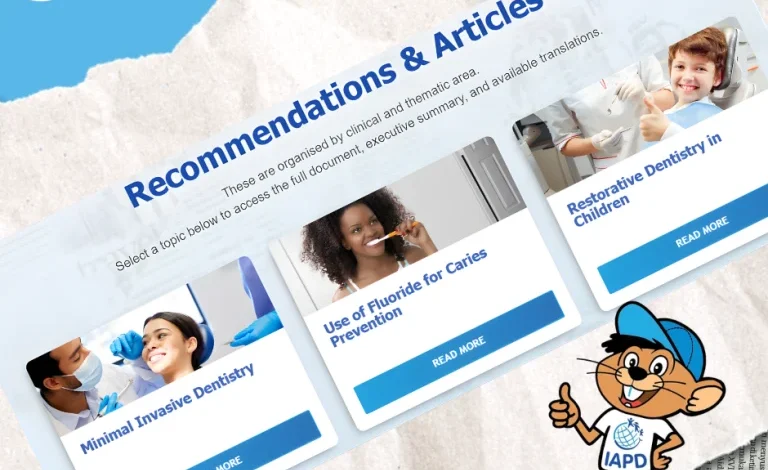
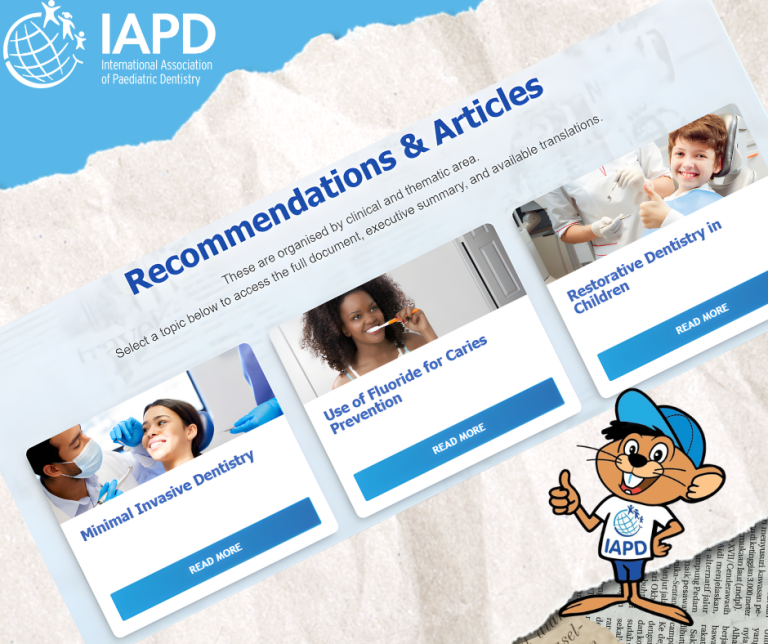
Concurrent with the summit, the IAPD has launched a revamped digital infrastructure for its Consensus Recommendations. This hub acts as a repository for evidence-based guidance on everything from the management of early childhood caries to the application of fluoride therapies. The digitalization of these resources is not merely a technical update; it is an accessibility strategy. By simplifying navigation and increasing the downloadability of key documents, the IAPD is ensuring that evidence-based dentistry reaches the point of care, even in resource-limited settings.
For many clinicians, the gap between the publication of a consensus paper and its integration into private or public practice can be years. The new hub is designed to minimize this latency, providing practitioners with easy-to-digest summaries and actionable clinical protocols. As digital health becomes an increasingly significant component of dental education, the IAPD’s move toward a more user-friendly interface represents a commitment to modernizing the flow of scientific information.
Strengthening Communication: The Fluoriders Corner
Clinical efficacy is inherently linked to patient and parental compliance, a challenge that is particularly acute in pediatric dentistry. The expansion of the "Fluoriders Corner" to include a dedicated "For Professionals" page is a direct response to feedback from members regarding the difficulty of communicating complex evidence to parents. The initiative focuses on eight core communication principles, providing clinicians with a framework to handle parental hesitation regarding fluoride use.
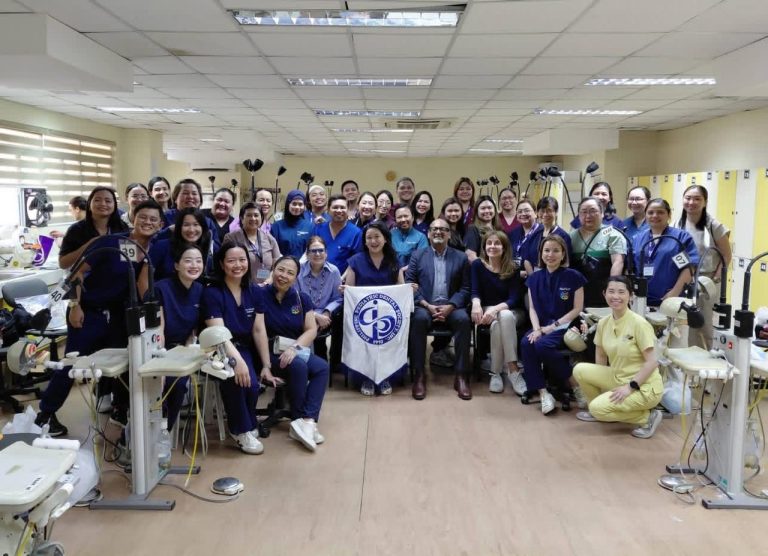
Effective communication is increasingly being recognized as a clinical skill as essential as technical proficiency. By providing scripts and psychological frameworks for these interactions, the IAPD is attempting to standardize the delivery of public health messaging. The success of this initiative is already being demonstrated globally, as evidenced by the enthusiasm of the Philippine Pediatric Dental Society during the recent "Teach the Teachers" (TTEW) workshop in Manila. The event, which featured the debut of the "Happy Teeth Song" as a tool for public engagement, underscored that while the clinical science of pediatric dentistry is rigorous, its delivery must be accessible and culturally resonant to be effective.
Global Outreach and Professional Development
The TTEW initiative in Manila, held in April 2026, serves as a blueprint for the IAPD’s regional outreach strategy. By partnering with local societies like the Philippine Pediatric Dental Society, Inc., the IAPD is able to tailor its educational offerings to the specific needs of regional practitioners. The Manila workshop, led by IAPD Secretary General Dr. Anna Maria Vierrou, President Dr. Soni Stephen, and Board Member Dr. Marina Papachroni, demonstrated the success of the hybrid lecture-and-hands-on format.
The inclusion of practical workshops in the TTEW curriculum marks a departure from purely theoretical training. In Manila, participants were able to engage with new restorative materials and diagnostic workflows, supported by industry partners such as Ultradent Products and SDI Limited. This model of industry-academic partnership is essential for the rapid dissemination of new technologies, particularly in areas like microinvasive caries treatment, which require specific clinical training to be implemented safely and effectively.
Continuing Education and the Path Forward
As the IAPD moves toward the final months of 2026, the organization’s calendar remains packed with virtual learning opportunities. The upcoming webinars, including Dr. Tetiana Peshko’s session on "Integrative Approaches in Caries Prevention" and Dr. Juan Fernando Yepes’ lecture on "Radiology in the Paediatric Patient," highlight the association’s commitment to continuous learning. These sessions are restricted to live Zoom participation to ensure that attendees can engage in direct Q&A, a format that the IAPD has found to be significantly more effective for knowledge retention than passive social media streaming.
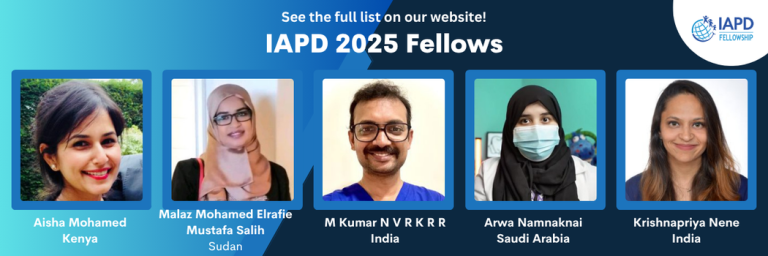
Furthermore, the growth of the IAPD Fellowship program—which recently recognized a new cohort of successful candidates—points to a strengthening of professional standards across the global membership. The fellowship examination is increasingly viewed as the gold standard for clinical excellence in pediatric dentistry. With applications now open for the 2027 cycle, the organization is seeing a steady increase in interest from practitioners eager to validate their expertise through this rigorous, peer-reviewed process.
Strategic Implications for the Future of Dentistry
The overarching impact of these initiatives is the professionalization of pediatric dental practice on a global scale. By connecting the dots between academic research, consensus-based clinical guidelines, and enhanced communication strategies, the IAPD is creating a cohesive ecosystem for its members.
The implications for the profession are clear: as the boundaries of what is possible in pediatric dentistry expand—through early orthodontic intervention, digital diagnostics, and more nuanced patient engagement—the need for a unified voice becomes paramount. The Barcelona Summit in November 2026 will not only be a meeting of the minds; it will be a defining moment in the evolution of the field. By setting the tone for the next decade of clinical practice, the IAPD is ensuring that the global community of pediatric dentists remains at the forefront of preventive care, ready to meet the evolving oral health needs of children worldwide. As the association prepares to welcome its members to Spain, the focus remains firmly on the goal of securing better, evidence-based smiles for the next generation.