Life After Braces: A Comprehensive Guide to Post-Orthodontic Care, Retention, and Maintaining Your New Smile


The removal of orthodontic braces marks a significant milestone for millions of patients worldwide, symbolizing the culmination of months or even years of physical adjustments, dietary restrictions, and meticulous oral hygiene. For many, this long-awaited appointment represents the ultimate reward: the unveiling of a straight, healthy, and properly aligned smile. However, dental professionals and orthodontic associations emphasize that the day the braces finally come off is not the end of the journey, but rather the beginning of a lifelong commitment to retention and ongoing oral health maintenance. Understanding the physiological changes occurring within the mouth during this transition is crucial for ensuring that the newly achieved alignment remains stable over the long term.
The Mechanics of Braces Removal and Immediate Clinical Evaluations
When a patient arrives for their debanding appointment—the clinical term for removing braces—the process is typically straightforward, systematic, and entirely manageable. Orthodontists utilize specialized, calibrated instruments designed to gently fracture the medical-grade adhesive bonding each bracket to the tooth enamel. As the brackets, archwires, and elastic or metal bands are detached, patients frequently report hearing a series of distinct clicking sounds and feeling a mild, transient pulling sensation. Modern orthodontic techniques have refined this procedure to minimize any potential discomfort, making it significantly faster and gentler than historical methods.
Once the hardware has been successfully detached, the clinical team focuses on thoroughly cleaning the tooth surfaces. Specialized polishing instruments and burs are employed to remove every trace of residual composite resin adhesive, ensuring that the enamel feels completely smooth to the tongue and that no rough patches remain to trap plaque. Following the cleaning phase, orthodontists typically conduct a comprehensive evaluation of the patient’s occlusion, or bite, to verify that the functional goals of the treatment plan have been fully realized.
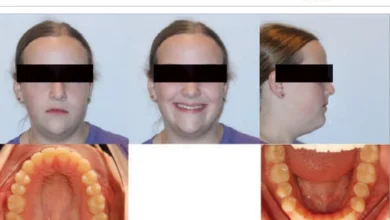
This critical appointment often incorporates diagnostic documentation. Depending on the specific protocols of the orthodontic practice, the team may capture high-resolution clinical photographs, digital intraoral scans, physical dental impressions, or panoramic X-rays. These records serve as a permanent baseline documenting the completion of active treatment. Before the patient is dismissed, the orthodontist introduces the retention phase, explaining the mechanics of the prescribed retainer and establishing a personalized wear schedule designed to protect the structural investment of the braces.
Navigating Physical Sensations: Pain, Sensitivity, and Adaptation
A common concern among patients preparing for debanding is whether the procedure will cause physical pain. Clinical consensus indicates that the removal process itself is generally painless, though patients should anticipate unusual tactile sensations. The primary physical experiences during the removal phase include localized pressure, squeezing, or a brief pulling force as individual brackets are popped off the teeth. Similarly, the subsequent polishing phase introduces mechanical vibrations and tactile pressure that can feel strange, particularly because patients have grown accustomed to the constant, fixed presence of hardware.
Following the appointment, the newly exposed teeth and surrounding gum tissues often exhibit mild sensitivity. This temporary discomfort stems from several factors, including the sudden absence of brackets, the mechanical friction of the polishing tools, and the natural readjustment of periodontal ligaments. Furthermore, patients frequently remark on how their teeth feel foreign, overly smooth, or abnormally sharp when running their tongue across the enamel or biting down.
Tooth sensitivity after braces frequently manifests when consuming hot, cold, or sugary foods and beverages. Additionally, if the gingival tissues experienced mild inflammation or hypertrophy while the braces were in place, they may remain slightly tender during the initial days following removal. Orthodontists note that this post-removal sensitivity is self-limiting, typically subsiding within a few days to a week as the oral cavity adapts. Recommendations for managing this transitional phase often include switching to specialized potassium nitrate toothpastes formulated for sensitive teeth and practicing gentle brushing techniques.
The Orthodontic Paradox: Why Teeth Feel Loose After Removal
One of the most startling sensations patients report after getting their braces off is a feeling of looseness or mobility in their teeth. While this symptom can cause unnecessary alarm, dental specialists explain that a degree of tooth mobility is an entirely normal physiological response to active orthodontic treatment. Throughout the months or years of treatment, constant mechanical forces applied by archwires and elastics stimulate bone remodeling. This process involves the controlled resorption of alveolar bone on one side of the tooth root and the deposition of new bone on the opposite side, allowing the tooth to migrate through the jawbone.
When the braces are finally removed, the alveolar bone and the surrounding periodontal ligament fibers have not yet fully mineralized or stabilized in their new architectural positions. Consequently, the teeth retain a slight amount of play. This natural mobility diminishes progressively as the surrounding bone matures and solidifies around the newly positioned tooth roots. However, if a tooth feels excessively loose, causes sharp pain during biting, or exhibits abnormal displacement, patients are strongly advised to contact their orthodontist immediately to rule out underlying structural complications.
Dietary Transitions: Earning Back Your Favorite Foods
The removal of braces brings immediate dietary liberation for most patients. Throughout active treatment, individuals must strictly avoid hard, crunchy, sticky, and chewy items—such as whole apples, hard candies, popcorn, caramel, and nuts—to prevent bracket detachment or bent archwires. Upon debanding, patients are technically free to reintroduce these foods into their daily diets.
Nevertheless, dental professionals recommend a cautious, measured approach to this culinary reunion. Because the teeth and gums may still be experiencing post-removal sensitivity and mild physiological mobility, immediately biting into an extremely hard or crunchy food can cause unnecessary discomfort. Easing back into a normal diet over the course of a week allows the periodontal tissues to strengthen. Furthermore, patients fitted with removable retainers must remember to extract their appliances prior to consuming meals or beverages, unless explicitly instructed otherwise by their orthodontic specialist.
The Imperative Role of Retainers in Long-Term Alignment
The single most critical takeaway from post-braces education is that the retention phase is just as vital as the active treatment phase. Without proper retention, natural biological forces will inevitably cause the teeth to drift back toward their original, pre-treatment malocclusion—a phenomenon clinically referred to as orthodontic relapse.
Orthodontists utilize several distinct categories of retainers to counteract these natural forces:
- Removable Hawley Retainers: Constructed from a durable acrylic baseplate that conforms to the roof of the mouth or the lingual floor, combined with a visible metal labial bow that crosses the front surfaces of the teeth. These traditional retainers are adjustable and highly durable.
- Clear Plastic Removable Retainers (Essix or Vivera): Fabricated from transparent, medical-grade thermoplastic material that fits snugly over the entire dental arch. These appliances offer a high degree of aesthetic discretion, making them popular among teenagers and adults alike.
- Fixed or Bonded Retainers: Composed of a custom-fit multi-stranded wire permanently bonded to the lingual (tongue-facing) surfaces of the lower front teeth, and occasionally the upper teeth. Because these retainers are permanently attached, they provide continuous, 24/7 retention without requiring patient compliance, though they demand meticulous flossing techniques using specialized threaders.
Establishing a Long-Term Retainer Wear Schedule
The duration and frequency of retainer wear are dictated by biological healing timelines and individual patient assessments. Immediately following the removal of braces, orthodontists typically mandate continuous retainer wear—often 22 hours per day, removing the appliance only for eating, brushing, and flossing. This intensive early wear schedule is necessary because the periodontal ligaments, gingival fibers, and alveolar bone require several months to completely reorganize and stabilize around the newly positioned roots.
As the months progress and clinical evaluations confirm structural stability, orthodontists frequently transition patients to a nighttime-only wear schedule. This protocol often extends indefinitely. Dental experts emphasize that minor, gradual shifts in dental alignment occur naturally throughout a person’s lifespan due to physiological aging, continuous jaw growth, and everyday masticatory forces. Consequently, many orthodontists advise lifelong, periodic retainer wear—such as wearing the appliance several nights a week—to permanently safeguard the alignment achieved through years of orthodontic intervention.
Understanding and Preventing Orthodontic Relapse
Orthodontic relapse is a common clinical reality driven by the elastic memory of the gingival fibers and periodontal tissues. When teeth are moved during treatment, the microscopic fibers surrounding the roots are stretched like rubber bands. Even after the braces are removed, these tissues persistently attempt to pull the teeth back to their original configurations.
When patients neglect their prescribed retainer schedules, the consequences manifest rapidly. Within days or weeks of discontinued wear, individuals may notice that their removable retainer feels exceptionally tight, or that it fails to seat properly over the dental arch. Forcing a tight retainer onto shifting teeth can damage the periodontal structures or fracture the appliance. If a retainer ceases to fit comfortably, patients must consult their orthodontist immediately to evaluate the degree of movement and determine whether minor corrective measures or a replacement appliance is necessary.
Post-Braces Oral Hygiene and Preventative Care
The conclusion of orthodontic treatment necessitates a renewed focus on comprehensive oral hygiene. While fixed braces complicate brushing and flossing—frequently leading to plaque accumulation, gingivitis, and localized decalcification or white spot lesions on the enamel—the removal of hardware simplifies daily hygiene routines. However, maintaining pristine dental health remains paramount.
Patients are encouraged to brush thoroughly at least twice daily with a fluoride toothpaste and engage in daily interdental cleaning using dental floss or interdental brushes. Furthermore, maintaining the cleanliness of the retainer itself is crucial for preventing bacterial colonization, plaque buildup, and unpleasant odors. Removable retainers should be cleaned daily using non-abrasive cleansers, specialized tablets, or mild liquid soap, avoiding hot water that can warp the thermoplastic materials.
The Value of Scheduled Follow-Up Appointments
To ensure the long-term success of the post-braces transition, most orthodontic practices schedule a series of structured follow-up evaluations over the first year following debanding. These appointments allow the orthodontist to inspect the health of the gingival tissues, monitor the structural integrity and fit of the retainers, and catch any early signs of orthodontic relapse before they require extensive intervention. Adhering to these follow-up visits represents a minimal time investment that yields substantial dividends in preserving a healthy, confident smile.
Knowing When to Contact Your Orthodontist
Open communication channels between the patient and the orthodontic team are essential throughout the retention phase. Patients are advised to reach out to their clinic promptly if they encounter any of the following warning signs:
- A removable retainer becomes cracked, distorted, lost, or broken.
- A fixed retainer wire becomes loose, detaches from even a single tooth, or bends.
- The teeth begin to shift noticeably, or the bite feels altered.
- Persistent, unexplained pain, sharp discomfort, or abnormal tooth mobility arises.
- Gum inflammation, bleeding, or unusual sensitivity develops around the teeth.
Early intervention by a qualified professional can resolve minor mechanical failures or shifting before they compromise the structural integrity of the smile.
Looking Forward to a Lifetime of Confident Smiles
Transitioning out of braces represents a major triumph in personal health and aesthetics. While the removal appointment closes the chapter on active orthodontic treatment, it opens a new phase centered on retention, preventative maintenance, and vigilant oral hygiene. By embracing the lifelong responsibility of retainer wear, maintaining regular dental checkups, and responding proactively to any physical changes in the mouth, patients can ensure that the investment of time, resources, and patience yields a beautiful, functional smile that lasts a lifetime.