
10 Answers To Typical Excuses For Skipping A Workout
10 Answers to Typical Excuses for Skipping a Workout
"I don’t have time" is arguably the most prevalent excuse for not exercising. This statement often stems from a perception that fitness requires large, dedicated blocks of time. The reality, however, is that even short bursts of activity can yield significant health benefits. Consider the concept of High-Intensity Interval Training (HIIT). These workouts, typically lasting 15-30 minutes, involve short periods of intense exertion followed by brief recovery. A quick HIIT session can elevate your heart rate, burn calories, and improve cardiovascular health just as effectively, if not more so, than a longer, moderate-intensity workout. Furthermore, time management is a skill that can be honed. Identifying your daily schedule’s "time leaks" – activities that consume time without adding value – can free up surprisingly large chunks. Social media scrolling, excessive television watching, or unproductive meetings can often be condensed or eliminated. Prioritizing your health by scheduling workouts like you would any other important appointment can also make a difference. Think about it: you wouldn’t skip a crucial business meeting due to lack of time, yet your health, which underpins your ability to perform in that meeting, often falls by the wayside. Breaking down your day into smaller, manageable segments can help you find those 20-30 minute windows. Even a brisk 15-minute walk during your lunch break, or a quick bodyweight circuit in the morning before the chaos of the day begins, can be a powerful catalyst for consistency. The key isn’t finding an hour, but rather integrating movement into the existing fabric of your day. It’s about reframing "lack of time" into "prioritization of time."
"I’m too tired" is another common roadblock. This excuse often points to a cycle of low energy leading to inactivity, which in turn perpetuates low energy. While it’s true that certain chronic conditions can cause profound fatigue, for most individuals, this feeling is a symptom of an unhealthy lifestyle, not a reason to avoid exercise. In fact, regular physical activity is a potent energy booster. Exercise increases circulation, delivering oxygen and nutrients to your tissues more efficiently. It also stimulates the release of endorphins, natural mood elevators and energy enhancers. Think of it as jump-starting your engine. Instead of collapsing on the couch, a moderate workout can leave you feeling more invigorated. If you are truly exhausted, a gentler form of movement like a yoga session, a light stroll, or some stretching can still be beneficial. The goal is not necessarily to push yourself to the brink of exhaustion, but to simply move your body. Furthermore, understanding the root cause of your fatigue is crucial. Poor sleep hygiene, inadequate nutrition, and chronic stress can all contribute to persistent tiredness. Addressing these underlying issues will naturally improve your energy levels and make exercise feel less like a Herculean task. Dehydration can also significantly impact energy levels. Ensuring you’re adequately hydrated throughout the day, not just during workouts, can make a noticeable difference. Prioritize sleep, nourish your body with whole foods, and manage stress effectively, and you’ll likely find that "too tired" becomes a less frequent refrain.
"I don’t have the motivation" speaks to the psychological barrier that often accompanies exercise. Motivation is a fickle friend, often arriving when you least expect it and disappearing just as quickly. Relying solely on motivation to get you moving is a recipe for inconsistency. The solution lies in cultivating discipline and building habits. Discipline is the ability to do what you need to do, even when you don’t feel like it. This involves creating a routine and sticking to it, regardless of your emotional state. Setting small, achievable goals can also be a powerful motivator. Instead of aiming for a dramatic transformation, focus on consistent attendance. Celebrate small victories, such as completing three workouts in a week, or increasing your squat reps by two. This positive reinforcement loop can build momentum. Finding an accountability partner, whether a friend, family member, or personal trainer, can also provide a crucial external push. Knowing someone is expecting you to show up can be a powerful deterrent to skipping. Furthermore, making exercise enjoyable is key. Experiment with different activities – dancing, hiking, swimming, team sports – until you find something you genuinely look forward to. Music, podcasts, or audiobooks can also transform a mundane workout into an engaging experience. Don’t wait for motivation; create it through consistent action and by making the process as enjoyable as possible.
"I’m too sore" is a valid concern, especially when starting a new program or increasing intensity. However, it often becomes an excuse for continued inactivity. Mild to moderate muscle soreness, known as Delayed Onset Muscle Soreness (DOMS), is a natural response to muscle micro-tears from exercise. This soreness typically subsides within 24-72 hours. The key is to differentiate between the discomfort of DOMS and actual pain that might indicate an injury. If you’re experiencing DOMS, light activity can actually be beneficial for recovery. Gentle stretching, foam rolling, or a light walk can increase blood flow to the muscles, aiding in their repair and reducing stiffness. In fact, "working through" mild soreness can often help you adapt more quickly and reduce future soreness. The body is incredibly resilient and designed to adapt. If you’re consistently experiencing debilitating soreness, it might indicate that your training volume or intensity is too high, or that you’re not properly warming up or cooling down. Focus on progressive overload – gradually increasing the demands on your body. Incorporate active recovery days into your routine, and ensure adequate protein intake for muscle repair. Don’t let temporary soreness be a permanent excuse; learn to manage it and understand your body’s signals.
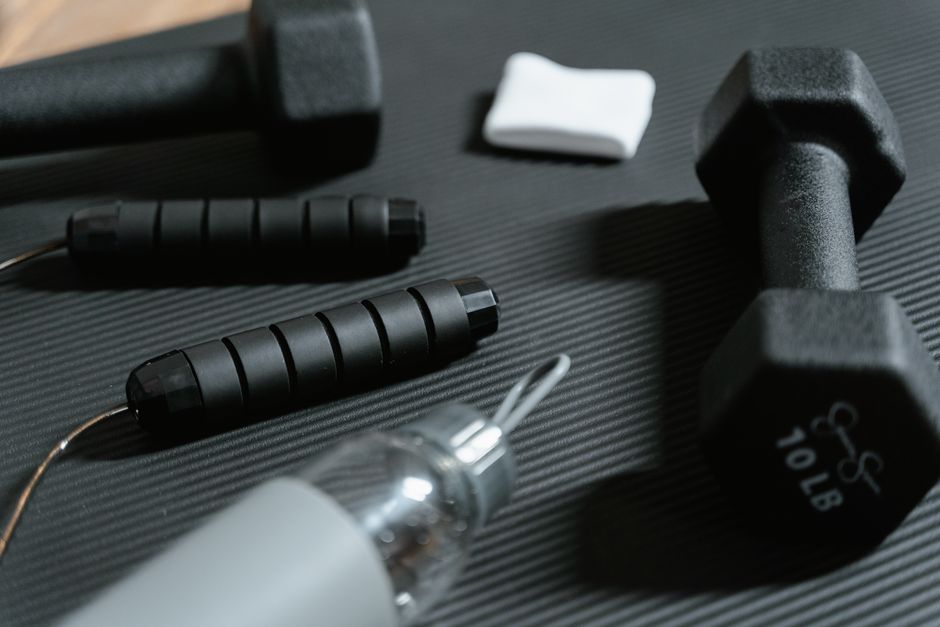
"I don’t have the right equipment" is a frequently cited barrier, particularly for those who envision complex gym setups. The truth is, you don’t need a fancy gym membership or expensive home equipment to get a great workout. Bodyweight exercises are incredibly effective and can be performed anywhere, anytime. Squats, lunges, push-ups, planks, and burpees utilize your own body weight for resistance, building strength, endurance, and flexibility. Resistance bands are an inexpensive and versatile tool that can add challenge to a wide range of exercises, mimicking the function of many weight machines. Even simple household items like water bottles or chairs can be incorporated into workouts. Walking and running are free, accessible forms of cardiovascular exercise. Outdoor activities like hiking or cycling require minimal equipment beyond a decent pair of shoes or a bicycle. The internet is a treasure trove of free workout videos and routines designed for minimal or no equipment. Focus on what you can do with what you have, rather than fixating on what you lack. Often, the perceived need for equipment is more of a mental hurdle than a practical limitation. Challenge yourself to get creative and discover the vast array of exercises that don’t require any specialized gear.
"I’m not seeing results fast enough" is a frustrating excuse that highlights unrealistic expectations. Fitness is a journey, not a sprint, and significant, sustainable changes take time. The human body is a complex system that adapts gradually. Focusing solely on immediate aesthetic changes can lead to discouragement. It’s important to recognize that progress isn’t always visible in the mirror, especially in the early stages. Improvements in cardiovascular health, increased strength, better sleep, improved mood, and enhanced energy levels are all significant results that may not be immediately apparent externally. Keep a fitness journal to track your progress, not just in terms of weight or measurements, but also in performance – how many reps you can do, how much weight you can lift, how long you can sustain an activity. This quantitative data can be more motivating than subjective observations. Setting realistic short-term and long-term goals is crucial. Celebrate non-scale victories and acknowledge the cumulative impact of consistent effort. Trust the process, understand that plateaus are normal, and continue to be patient and persistent. The "slow and steady wins the race" adage is particularly relevant in fitness.
"I’m afraid of getting injured" is a legitimate concern, but it should be a reason to approach exercise intelligently, not to avoid it altogether. Fear can be paralyzing, and it’s essential to address it with knowledge and proper execution. The vast majority of exercise-related injuries are preventable. This involves proper form, gradual progression, adequate warm-ups and cool-downs, and listening to your body. If you’re unsure about proper technique, seeking guidance from a qualified fitness professional is invaluable. They can teach you the correct way to perform exercises, reducing your risk of injury. Starting with lighter weights or lower intensity and gradually increasing the challenge as your body adapts is crucial. Pushing yourself too hard, too soon, is a common precursor to injury. Also, understanding your body’s signals is vital. Differentiate between muscle fatigue and sharp or persistent pain. If something feels wrong, stop. Don’t try to "power through" pain. Consistent movement actually strengthens your body and makes it more resilient, reducing your risk of injury in daily activities. Focus on building a strong foundation, prioritize technique, and be an active participant in preventing injuries.
"I have a medical condition" is a serious consideration, but it shouldn’t automatically lead to inactivity. For many medical conditions, exercise is not only safe but often recommended as part of a comprehensive treatment plan. The key is to consult with your healthcare provider before starting or modifying an exercise program. They can advise you on appropriate types of exercise, intensity levels, and any specific precautions you need to take based on your condition. For example, individuals with heart conditions may be encouraged to engage in cardiovascular exercise under medical supervision, while those with arthritis might benefit from low-impact activities like swimming or water aerobics. Exercise can help manage symptoms, improve overall health, and even reduce the need for medication for many chronic diseases. Dismissing exercise due to a medical condition without consulting a professional is a missed opportunity for significant health improvement. Empower yourself with knowledge from your doctor, and discover how movement can be a powerful tool in managing your health.
"I don’t like the gym environment" is a common sentiment, and thankfully, the gym is not the only place to achieve your fitness goals. Many people find the atmosphere intimidating, competitive, or simply unappealing. Fortunately, a world of fitness opportunities exists beyond the gym walls. Outdoor activities offer fresh air and natural beauty. Parks, trails, and beaches become your workout space. Consider joining a running club, a hiking group, or a cycling community. Community centers often offer affordable fitness classes like yoga, Pilates, or Zumba in a more relaxed setting. Dance studios provide a fun and engaging way to get a cardio workout. Even at home, you can create your own personalized fitness sanctuary with online classes, workout videos, or by simply using your own body weight. The key is to find an environment that resonates with you and makes you feel comfortable and motivated. Don’t let a dislike for a particular setting deter you from pursuing a healthier lifestyle. Explore the vast possibilities and discover where you thrive.
"I’ll start tomorrow" is the ultimate procrastination excuse, a subtle form of self-sabotage that perpetuates a cycle of delayed action. "Tomorrow" often becomes "next week," which then stretches into "next month," and before you know it, months or even years have passed. The power of "now" cannot be overstated. The best time to start any positive habit is in the present moment. This excuse often stems from a desire for perfection – waiting for the "perfect" time when all circumstances align. The reality is, there will rarely be a perfect time. Life is inherently imperfect, and it’s about making exercise fit into your life, not waiting for your life to fit around exercise. Breaking down the task into smaller, more manageable steps can combat this feeling of overwhelm. Instead of committing to a full hour-long workout, commit to 15 minutes. Commit to just putting on your workout clothes. Often, once you start, you’ll find the momentum to continue. Recognize that "tomorrow" is a mythical construct. Take action today, even if it’s a small step. Consistency, not grand gestures, builds lasting habits.
