
4 Ways To Add Bbq Inspired Flavors To Plant Based Meals
4 Ways to Infuse Your Plant-Based Meals with Bold BBQ Flavor
The smoky, savory, and often sweet notes of barbecue are beloved by many, but achieving that same depth of flavor without traditional meat can seem like a culinary challenge. Fortunately, the world of plant-based cooking offers a vibrant palette of ingredients and techniques that can brilliantly mimic and even enhance the essence of barbecue. This article explores four distinct yet complementary approaches to infusing your vegetarian and vegan dishes with irresistible BBQ-inspired flavors, ensuring no compromise on taste or satisfaction. These methods focus on building layers of flavor, utilizing specific ingredients, and employing cooking techniques that evoke the spirit of a backyard cookout. Whether you’re a seasoned vegan chef or just beginning your plant-based journey, these strategies will empower you to create dynamic and delicious meals that are undeniably barbecue.
The first pivotal strategy for achieving authentic BBQ flavor in plant-based cuisine lies in mastering the art of the marinade and the rub. Marinades are liquid-based mixtures designed to penetrate food, tenderize it, and impart flavor. For a BBQ-inspired marinade, the foundation often comprises a balance of acidity, sweetness, and savory elements. Acidity is crucial for breaking down plant cell walls, allowing flavors to seep in more effectively. Think apple cider vinegar, a classic BBQ staple known for its tangy profile, or even a splash of lime juice for a brighter, zesty counterpoint. Soy sauce or tamari provides an umami depth that is essential for replicating the richness often found in meat marinades. Worcestershire sauce, while traditionally containing anchovies, has vegan-friendly alternatives available that capture its complex, fermented, and slightly sweet funk. A good vegan Worcestershire sauce will contribute notes of tamarind, molasses, and spices, all vital for that signature BBQ complexity.
Sweetness is another cornerstone of BBQ flavor, and in plant-based cooking, there are numerous ways to achieve it. Maple syrup offers a pure, nuanced sweetness that pairs beautifully with smoky notes. Agave nectar is another excellent option, providing a clean sweetness without an overpowering flavor. Molasses, particularly blackstrap molasses, delivers a robust, slightly bitter sweetness that adds significant depth and a dark, caramelized hue, reminiscent of slow-cooked meats. Brown sugar, or coconut sugar for a less refined alternative, can also be incorporated to add sweetness and aid in caramelization during cooking.
The savory components of a BBQ marinade are what truly elevate the dish. Smoked paprika is non-negotiable. Its smoky aroma and flavor are paramount to any BBQ-inspired dish. Use both sweet and hot smoked paprika for a layered heat and smokiness. Garlic powder and onion powder are fundamental aromatics that provide a savory backbone. A touch of liquid smoke, used sparingly, can offer an intense smoky essence, but be cautious as it can easily overpower other flavors. For a more natural approach to smokiness, consider charring some of your vegetables before adding them to the marinade or incorporating ingredients like chipotle peppers in adobo sauce, which offer both smoky and spicy notes.
Beyond the liquid marinade, dry rubs are equally vital for building a crust and infusing flavor. A classic BBQ dry rub often includes a blend of salt, pepper, paprika, garlic powder, onion powder, and a sweetener like brown sugar or paprika. Experiment with additional spices such as cumin for earthiness, coriander for a citrusy note, and cayenne pepper or chili powder for heat. The rub’s granular texture adheres to the surface of the plant-based ingredients, creating a flavorful crust during cooking. When applying, ensure the plant-based ingredients are slightly damp (from a light mist of oil or water) to allow the rub to stick effectively. For thicker cuts of vegetables or plant-based proteins, allow them to marinate for at least 30 minutes, and ideally several hours, or even overnight in the refrigerator, to fully absorb the flavors.
The second powerful avenue for achieving BBQ-inspired flavors in plant-based meals is through the strategic use of smoky ingredients and cooking techniques. Smoking itself, when accessible, is the most direct route. A smoker box on a grill filled with wood chips like hickory, mesquite, or applewood can impart a deep, authentic smoky flavor to vegetables such as eggplant, portobello mushrooms, and firm tofu. For those without a smoker, oven roasting at high temperatures with added smoky elements can simulate some of that depth.
Liquid smoke is a concentrated essence of wood smoke that can be a powerful tool when used judiciously. A few drops can add a noticeable smoky aroma and taste to sauces, marinades, and even rubs. However, it’s crucial to remember that “less is more” with liquid smoke; too much can result in an artificial and acrid flavor.
Beyond direct smoking, many ingredients inherently possess smoky qualities. Chipotle peppers, whether fresh, dried, or canned in adobo sauce, are a revelation for imparting smoky heat. Their robust flavor profile, often carrying notes of chocolate and earthiness alongside their smokiness, makes them incredibly versatile. Incorporating them into sauces, stews, or even blending them into a paste for marinades can add a significant BBQ dimension. Smoked paprika, as mentioned previously, is another indispensable ingredient. Its versatility lies in its ability to provide smokiness without additional heat (sweet smoked paprika) or with a spicy kick (hot smoked paprika). Sprinkle it generously into rubs, stir it into sauces, or roast vegetables coated in it for an instant smoky infusion.
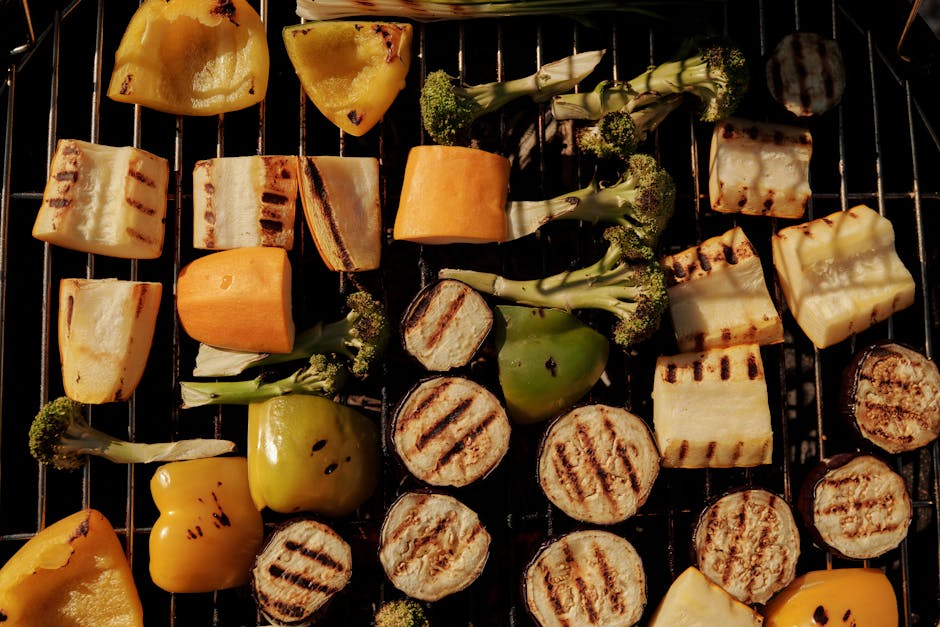
Cooking techniques also play a significant role. Grilling plant-based ingredients directly over open flames or on a grill pan creates char marks and a subtle smoky flavor from the combustion of wood or charcoal. The Maillard reaction, which occurs at high temperatures, also contributes to browning and flavor development, enhancing the overall savory profile. Charring vegetables like bell peppers, onions, and corn on the grill before incorporating them into dishes can lend a pleasant smoky bitterness and depth. Roasting vegetables at high temperatures (400-450°F or 200-230°C) can also develop desirable caramelization and a slightly smoky aroma, especially when using ingredients like sweet potatoes, cauliflower, or Brussels sprouts. Even pan-searing plant-based proteins like tempeh or extra-firm tofu can create a browned, slightly crispy exterior that, when combined with BBQ seasonings, mimics the texture and flavor of grilled meats. For a deeper smoky character, consider slow-roasting vegetables in the oven at a lower temperature for an extended period, allowing them to become tender and develop rich, caramelized flavors.
The third essential element in creating plant-based BBQ masterpieces is the judicious use of sweet and tangy sauces. BBQ sauce is more than just a condiment; it’s a flavor vehicle that binds smoky, savory, and sweet components together. The foundation of a classic BBQ sauce is typically tomato-based. Ketchup serves as a convenient and readily available base, providing sweetness, acidity, and a touch of tomato flavor. For a more nuanced and from-scratch approach, consider using tomato paste or pureed tomatoes as the base, which allows for greater control over sweetness and acidity.
Vinegar is the indispensable tangy counterpart to the sweetness in BBQ sauce. Apple cider vinegar is a quintessential BBQ choice, offering a bright, slightly fruity tang. White vinegar can provide a sharper, more pungent acidity. Red wine vinegar adds a more complex, robust tang. The ratio of vinegar to sweetener is critical in achieving the desired balance. Too much vinegar can make the sauce overly sharp, while too little will result in a cloying sweetness.
Sweeteners, as previously discussed, are crucial for balancing the acidity and providing that signature BBQ sweetness. Maple syrup, agave nectar, molasses, and brown sugar all contribute their unique nuances. Molasses, in particular, lends a deep, caramelized flavor and a dark color that is characteristic of many traditional BBQ sauces. Experiment with different combinations and ratios to find your preferred sweetness profile.
Beyond these core components, a plethora of flavor enhancers can elevate a plant-based BBQ sauce to gourmet status. Smoked paprika is paramount for its smoky aroma and taste. Garlic and onion powder provide savory depth. Mustard, whether Dijon or yellow, adds a pungent kick and helps emulsify the sauce. A touch of Worcestershire sauce (vegan, of course) contributes umami and complexity. For heat, consider adding cayenne pepper, chili powder, or even a dash of hot sauce. The inclusion of spices like cumin, coriander, and black pepper further enhances the aromatic profile.
The cooking of the sauce is just as important as its ingredients. Simmering the sauce for at least 15-20 minutes allows the flavors to meld and deepen, and the sauce to thicken to a desirable consistency. For a smoother sauce, you can blend it after simmering. Consider making your BBQ sauce ahead of time, as the flavors often improve after a day or two in the refrigerator. This allows the ingredients to fully integrate and develop a more complex taste. When using the sauce, brush it generously onto grilled or roasted vegetables, plant-based proteins, or tofu during the last few minutes of cooking to allow it to caramelize and adhere. It can also be served on the side for dipping or drizzled over finished dishes.
The fourth and final strategy for infusing plant-based meals with BBQ flavor revolves around utilizing specific plant-based ingredients that lend themselves to smoky, savory, and substantial textures. Certain vegetables, when prepared correctly, can mimic the heartiness and texture of meat, making them ideal canvases for BBQ flavors.
Portobello mushrooms are a prime example. Their dense, meaty texture and ability to absorb marinades make them perfect for grilling or baking with BBQ spices. When marinated and grilled, they develop a chewy, satisfying bite that can stand in for a steak or burger. Eggplant, particularly larger varieties, also possesses a tender, almost creamy texture when cooked and can readily soak up smoky and savory flavors. Roasting or grilling thick slices of eggplant until tender and slightly charred offers a pleasingly robust outcome.
Jackfruit, a tropical fruit, has gained immense popularity in vegan cuisine for its shredded, meat-like texture when cooked. Young, unripe jackfruit, when simmered and then shredded, closely resembles pulled pork. It can be coated in BBQ sauce and slow-cooked or baked until tender and flavorful. Canned young jackfruit in brine is the most readily available form. Ensure to rinse it thoroughly to remove the brine and then simmer it in water or vegetable broth to soften it before shredding and seasoning.
Cauliflower and Brussels sprouts also perform remarkably well with BBQ seasonings. Cauliflower, cut into steaks or florets, can be roasted or grilled and coated in a smoky, spicy rub or sauce. The florets, when roasted until tender and slightly crispy, offer a delightful textural contrast. Brussels sprouts, when halved and roasted at high heat, develop a delightful char and nutty sweetness that pairs exceptionally well with BBQ flavors. Think of them as mini cabbage wedges that have been given the BBQ treatment.
Tofu and tempeh are also excellent vehicles for BBQ flavors. Extra-firm tofu, pressed to remove excess water and then cut into cubes, steaks, or crumbled, can be marinated or tossed with BBQ sauce and then baked, fried, or grilled to achieve a chewy, satisfying texture. Tempeh, a fermented soybean cake, has a firmer, nuttier texture than tofu and can be sliced or cubed and then marinated or coated in BBQ sauce. Its inherent earthiness complements smoky and savory flavors beautifully. Grilling or pan-frying tempeh until golden brown and slightly crispy creates a delightful textural experience. The key with these ingredients is to prepare them in a way that maximizes their ability to absorb flavor and develop appealing textures that complement the robust nature of BBQ. This might involve pressing, marinating for extended periods, and employing high-heat cooking methods.
