
What To Eat Football Game Day Dietitian Edition
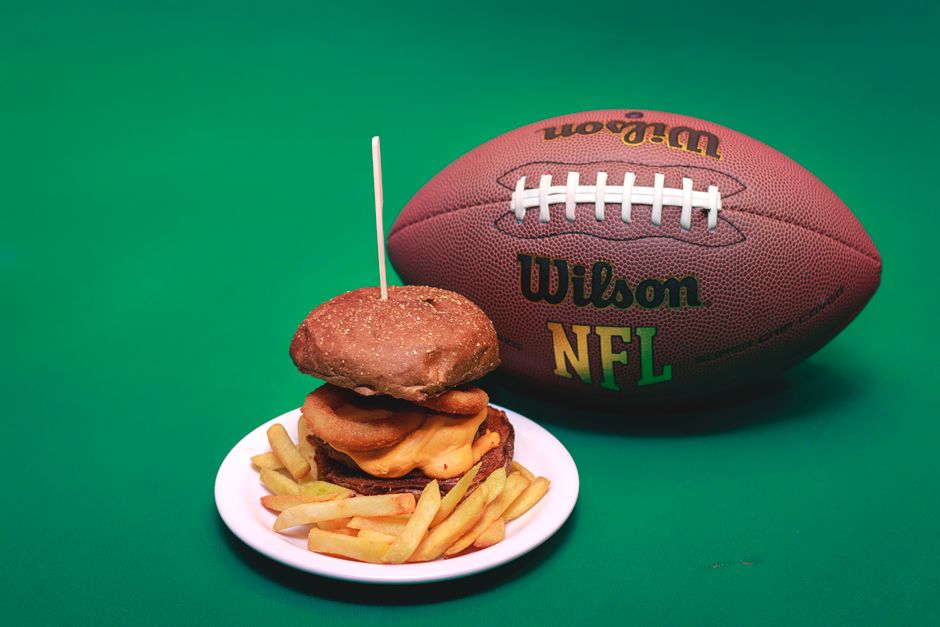
Fueling Your Football Fanaticism: A Dietitian’s Guide to Game Day Nutrition
The roar of the crowd, the crisp autumn air, the thrill of the game – football season ignites a passion that often extends beyond the stadium, directly into our living rooms and backyards. For many, game day is synonymous with a specific culinary experience: a spread of indulgent, crowd-pleasing fare. While these traditions are deeply ingrained, it’s entirely possible to enjoy the camaraderie and excitement of football without sacrificing your nutritional well-being. This comprehensive guide, crafted from a registered dietitian’s perspective, will equip you with the knowledge to make informed food choices that support sustained energy, optimal performance (even if it’s just cheering from the couch), and overall health, all while maximizing search engine visibility for those seeking game-day nutritional advice.
The Importance of Strategic Game Day Eating
The typical game day spread often leans heavily towards processed, high-fat, and refined carbohydrate options. While these foods may offer immediate gratification, they can lead to energy crashes, digestive discomfort, and a general feeling of sluggishness, diminishing your ability to fully enjoy the game. Strategic game day eating, conversely, focuses on nutrient-dense foods that provide sustained energy release, aid in cognitive function (essential for following complex plays!), and support digestive health. This approach isn’t about deprivation; it’s about smart substitutions and mindful consumption. By understanding the role of macronutrients (carbohydrates, proteins, and fats) and micronutrients (vitamins and minerals) in fueling your body, you can transform your game day experience from one of potential regret to one of sustained energy and enjoyment. The goal is to provide your body with the fuel it needs to stay engaged, alert, and energized throughout the entire game, from kickoff to the final whistle.
Optimizing Carbohydrate Intake for Sustained Energy
Carbohydrates are the body’s primary source of energy, and on game day, they play a crucial role in preventing fatigue. However, the type of carbohydrate consumed is paramount. Refined carbohydrates, such as white bread, sugary snacks, and fried appetizers, lead to rapid spikes and subsequent crashes in blood sugar levels. This roller-coaster effect can leave you feeling tired and unfocused. Instead, prioritize complex carbohydrates, which are digested more slowly, providing a steady release of glucose into the bloodstream.
Excellent game day complex carbohydrate sources include:
- Whole-grain crackers and pretzels: Opt for those made with 100% whole wheat or other whole grains. These offer fiber, which aids digestion and promotes satiety.
- Vegetable crudités with hummus or Greek yogurt dip: Raw vegetables like carrots, celery, bell peppers, and broccoli provide essential vitamins, minerals, and fiber. Hummus, made from chickpeas, offers both carbohydrates and protein. Greek yogurt, a fantastic source of protein, also contributes a small amount of carbohydrates and probiotics.
- Baked sweet potato fries: A healthier alternative to deep-fried versions, baked sweet potato fries are rich in complex carbohydrates, beta-carotene, and fiber. Season them with herbs and spices for added flavor and antioxidants.
- Popcorn (air-popped): When prepared without excessive butter and salt, air-popped popcorn is a whole-grain snack that provides fiber and can be surprisingly filling. Control portion sizes to avoid overconsumption.
- Fruit: Whole fruits like apples, bananas, oranges, and berries offer natural sugars for quick energy, along with fiber, vitamins, and antioxidants. They can be incorporated into fruit salads or enjoyed as standalone snacks.
When incorporating these carbohydrate sources, consider the timing. Consuming complex carbohydrates in the hours leading up to the game can ensure your energy stores are adequately replenished. Even a small, balanced snack an hour or two before kickoff can make a significant difference in sustained energy levels.
The Power of Protein for Satiety and Muscle Support
Protein is essential for satiety, meaning it helps you feel fuller for longer, reducing the urge to overeat less healthy options. Furthermore, protein plays a vital role in muscle repair and maintenance, which is beneficial even for sedentary fans, as it contributes to overall metabolic health. Incorporating lean protein sources into your game day menu will help you feel satisfied and energized throughout the game.
Prime protein choices for game day include:
- Lean grilled chicken or turkey skewers: Marinated in herbs and spices, these are a flavorful and protein-packed option. Opt for skinless poultry to reduce saturated fat.
- Hard-boiled eggs: A portable and convenient protein source, hard-boiled eggs are packed with essential amino acids.
- Greek yogurt parfait with berries and nuts: Layering plain Greek yogurt with fresh berries and a sprinkle of nuts offers a balanced combination of protein, complex carbohydrates, and healthy fats.
- Lean beef or turkey chili (homemade): A hearty and flavorful option, homemade chili allows you to control the ingredients, opting for lean meats, plenty of beans (for added fiber and protein), and a variety of vegetables.
- Edamame (steamed or roasted): These versatile soybeans are a complete protein source and offer a good amount of fiber. They can be seasoned with a pinch of salt and pepper or other spices.
- Tuna salad or salmon salad (made with Greek yogurt or avocado instead of mayonnaise): This offers omega-3 fatty acids, particularly from salmon, and a good dose of protein. Using Greek yogurt or mashed avocado as a binder reduces unhealthy fats.
Distributing protein intake throughout the day, including in snacks and main dishes, will contribute to sustained energy and prevent extreme hunger that can lead to poor food choices.
Incorporating Healthy Fats for Brain Function and Flavor
Fats are crucial for hormone production, nutrient absorption, and providing a source of energy. However, the type of fat matters. Saturated and trans fats, commonly found in fried foods and processed snacks, can negatively impact cardiovascular health. Unsaturated fats, on the other hand, offer numerous health benefits.
Include these healthy fat sources on your game day menu:
- Avocado: Rich in monounsaturated fats, fiber, and potassium, avocado is incredibly versatile. Enjoy it in guacamole, sliced on whole-grain toast, or added to salads.
- Nuts and seeds (almonds, walnuts, chia seeds, flax seeds): These are powerhouses of healthy fats, protein, fiber, and micronutrients. Portion control is key, as they are calorie-dense.
- Olive oil: Use extra virgin olive oil for dressings, marinades, and light sautéing. It’s a cornerstone of the Mediterranean diet and is rich in monounsaturated fats and antioxidants.
- Fatty fish (salmon, mackerel): As mentioned earlier, these are excellent sources of omega-3 fatty acids, which are crucial for brain health and have anti-inflammatory properties.
When preparing game day meals, consider using healthy fats for cooking and as flavor enhancers. A drizzle of olive oil over roasted vegetables or a spoonful of almond butter in a smoothie can significantly boost the nutritional profile of your food.
Hydration: The Unsung Hero of Game Day Nutrition
Dehydration can lead to fatigue, headaches, and impaired cognitive function, all of which can detract from your game day experience. While fans often reach for sugary beverages or alcohol, prioritizing proper hydration is paramount. Water is the most effective hydrator, but other options can contribute to fluid intake.
Key hydration strategies for game day:
- Water, water, water: Make water your primary beverage. Keep a pitcher or reusable water bottle readily accessible and sip it consistently throughout the day.
- Sparkling water with fruit slices: If you prefer something with a bit more pizzazz, plain sparkling water infused with lemon, lime, cucumber, or berries offers a refreshing alternative to sugary sodas.
- Electrolyte-enhanced beverages (in moderation): For extended periods of activity or extreme heat, electrolyte drinks can be beneficial. However, many commercial options are loaded with sugar. Consider naturally derived options or make your own with coconut water and a pinch of salt.
- Limit sugary drinks: Sodas, energy drinks, and fruit juices (even 100% juice) are often high in sugar and can lead to energy crashes and unwanted calorie intake.
- Moderate alcohol consumption: Alcohol can dehydrate you and impair judgment. If you choose to drink, alternate alcoholic beverages with water and consume in moderation.
Listen to your body’s thirst cues. If you feel thirsty, you’re likely already beginning to dehydrate. Proactive hydration is the most effective approach.
Smart Game Day Snack Strategies
Game day often involves grazing, making smart snack choices crucial. Instead of reaching for chips and dip loaded with unhealthy fats and sodium, opt for nutrient-dense snacks that provide sustained energy and satisfaction.
Here are some dietitian-approved game day snack ideas:
- Mini chicken or turkey meatballs: Baked, not fried, and seasoned with herbs, these are a protein-rich and satisfying snack.
- Caprese skewers: Cherry tomatoes, fresh mozzarella balls, and basil leaves drizzled with balsamic glaze offer a burst of flavor and nutrients.
- Trail mix (homemade): Combine nuts, seeds, dried fruit (in moderation), and a few dark chocolate chips for a customizable and energizing snack. Be mindful of portion sizes.
- Vegetable spring rolls (baked or steamed): A lighter alternative to fried versions, these can be filled with a variety of vegetables and served with a light dipping sauce.
- Rice cakes with avocado and everything bagel seasoning: A quick and easy snack that combines complex carbohydrates with healthy fats.
- Fruit and nut butter dip: Apple slices or celery sticks dipped in almond butter or peanut butter offer a good balance of carbohydrates, healthy fats, and protein.
Focus on snacks that combine at least two macronutrients (e.g., carbohydrates and protein, or carbohydrates and healthy fats) to promote satiety and prevent blood sugar fluctuations.
Navigating the Appetizer Arena
Appetizers are often the centerpiece of game day spreads. While traditional choices can be indulgent, there are healthier alternatives that are equally delicious and satisfying.
Rethink your appetizer game with these options:
- Homemade salsa and guacamole with whole-grain tortilla chips or vegetable sticks: Ditch the processed dips and opt for fresh, vibrant flavors.
- Miniature quiches or frittatas loaded with vegetables: These can be made ahead of time and are a great source of protein and nutrients.
- Shrimp cocktail: A lean protein source that’s naturally low in fat and calories.
- Stuffed mushrooms: Fill mushroom caps with a mixture of lean ground turkey, herbs, and whole-grain breadcrumbs.
- Black bean dip or hummus with whole-wheat pita bread or vegetable crudités: A plant-based appetizer that’s packed with fiber and protein.
When faced with a buffet of appetizers, practice mindful portion control. Select a few items that appeal to you and savor each bite.
The Main Event: Healthier Mealtime Options
While grazing is common, many game day gatherings involve a more substantial meal. The key is to create balanced meals that prioritize lean proteins, complex carbohydrates, and plenty of vegetables.
Consider these healthier main course ideas:
- Build-your-own taco or burrito bar: Offer lean ground turkey or chicken, plenty of beans, salsa, guacamole, shredded lettuce, and whole-wheat tortillas or corn tortillas. This allows for customization and caters to various dietary preferences.
- Grilled chicken or turkey burgers on whole-wheat buns with a side salad or baked sweet potato fries: A classic game day favorite made healthier with lean protein and whole grains.
- Lentil or black bean burgers: For a vegetarian option, these are packed with fiber and protein and can be served on whole-wheat buns.
- Sheet pan dinners: Roast chicken or fish with a medley of colorful vegetables like broccoli, bell peppers, and onions seasoned with herbs and olive oil. This is a simple, flavorful, and nutrient-dense option.
- Homemade chili with lean ground beef or turkey, plenty of beans, and a side of cornbread (made with whole-wheat flour): A hearty and comforting meal that can be made in advance.
When assembling your plate, aim for half your plate to be filled with vegetables, one-quarter with lean protein, and one-quarter with complex carbohydrates.
Dessert Dilemmas: Satisfying Your Sweet Tooth Responsibly
The game day feast often concludes with dessert. While sugary, processed desserts are tempting, there are healthier ways to satisfy your sweet tooth.
Opt for these more nutritious dessert choices:
- Fruit salad with a light Greek yogurt drizzle: A refreshing and naturally sweet option.
- Dark chocolate (in moderation): Dark chocolate (70% cacao or higher) contains antioxidants and can be enjoyed in small quantities for a satisfying treat.
- Baked apples with cinnamon and a sprinkle of nuts: A warm and comforting dessert that’s packed with fiber.
- Homemade fruit crisps or crumbles (with whole-grain topping): Control the sugar content and use whole-grain oats and nuts for the topping.
Focus on naturally sweet options and practice mindful portion control when indulging in dessert.
Listening to Your Body and Enjoying the Experience
Ultimately, the most important aspect of game day nutrition is to listen to your body and enjoy the experience. This guide provides tools and strategies for making healthier choices, but it doesn’t mean you can’t occasionally indulge in a favorite treat. The goal is balance and moderation. By incorporating nutrient-dense foods, staying hydrated, and making conscious choices, you can elevate your game day experience, feeling energized and satisfied throughout the entire game. Remember that consistent healthy eating habits throughout the week will also significantly impact how you feel on game day, making it easier to make good choices when surrounded by tempting fare. The focus should be on creating a sustainable approach to enjoying football and food, fostering a positive relationship with both.
