
Tag Egg Toast Cups
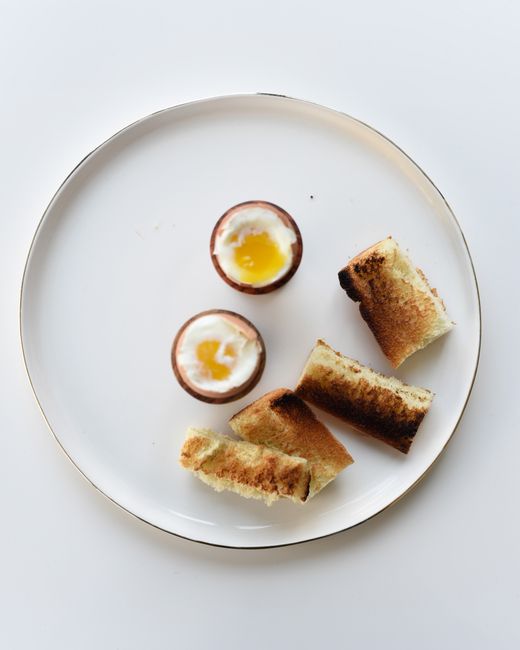
Egg Toast Cups: A Versatile and Customizable Breakfast Solution
Egg toast cups represent a simple yet incredibly adaptable breakfast, brunch, or even appetizer. This dish ingeniously combines the comforting familiarity of toast with the protein-packed goodness of eggs, all within a convenient, bite-sized package. The core concept involves pressing bread into a muffin tin, creating a vessel, and then filling it with an egg mixture before baking. The result is a delightful interplay of textures – the slightly crispy, golden-brown bread exterior giving way to a tender, perfectly cooked egg interior. This fundamental structure allows for endless variations, catering to diverse dietary needs, flavor preferences, and ingredient availabilities. From a quick weekday breakfast for busy families to a sophisticated addition to a brunch spread, egg toast cups offer a solution that is both practical and appealing. Their portability makes them an excellent choice for on-the-go consumption, and their customizable nature ensures that even the pickiest eaters can find a version they love. The beauty of egg toast cups lies in their inherent simplicity, making them accessible to novice cooks while still providing a canvas for culinary creativity for experienced chefs. This article will delve into the fundamental techniques, essential ingredients, popular variations, and SEO considerations for maximizing the visibility of content related to this popular dish.
The foundation of any successful egg toast cup recipe lies in selecting the right bread. While white bread is a common choice due to its soft texture and ability to conform easily to the muffin tin, other varieties offer distinct advantages. Whole wheat bread, for instance, provides a nuttier flavor and increased fiber content, contributing to a more wholesome breakfast option. Sourdough bread, with its characteristic tang and chewier texture, can add a sophisticated depth of flavor. For a gluten-free alternative, consider using gluten-free bread; however, be aware that some gluten-free breads may be more crumbly and require careful handling during the pressing process. The thickness of the bread slices also plays a role. Slices that are too thin might tear easily when pressed into the muffin tin, while slices that are too thick may result in an overwhelming amount of bread relative to the egg filling. Aim for slices that are approximately ½ inch thick. To prepare the bread, it’s often recommended to slightly flatten each slice using a rolling pin or the palm of your hand. This makes the bread more pliable and helps it to nestle snugly into the muffin cups, creating a secure and well-formed vessel. Lightly toasting the bread before pressing can also help prevent it from becoming too soggy during baking, although this step is not strictly necessary and depends on personal preference. The goal is to create a sturdy yet yielding base that will hold the egg mixture without disintegrating during the baking process.
The egg mixture is the heart of the egg toast cup, and its preparation is equally straightforward. At its simplest, it involves cracking an egg directly into the bread-lined muffin cup. However, for enhanced flavor, texture, and nutrition, a whisked egg mixture is generally preferred. The basic ratio for a whisked mixture is typically one to two eggs per cup, depending on the desired richness and size of the cup. Whisk the eggs thoroughly in a bowl until the yolks and whites are fully incorporated. Seasoning is crucial at this stage. Salt and freshly ground black pepper are fundamental, but this is where customization truly begins. Herbs, such as chives, parsley, dill, or even a pinch of dried oregano or thyme, can elevate the flavor profile significantly. A dash of hot sauce can add a welcome kick for those who enjoy a bit of spice. For a creamier texture, a tablespoon of milk, cream, or even a non-dairy alternative like almond milk or oat milk can be added to the egg mixture. This also helps to ensure that the eggs cook evenly and don’t become dry.
Beyond the basic egg and seasoning, the possibilities for add-ins are virtually limitless, transforming a simple egg toast cup into a culinary adventure. This is where personalization truly shines. Cheese is an almost universally loved addition. Shredded cheddar, Monterey Jack, Gruyère, Parmesan, or crumbled feta are all excellent choices. Consider combining different cheeses for a more complex flavor. Vegetables offer a wealth of options for both flavor and nutrition. Finely chopped bell peppers (red, green, yellow), onions, spinach, kale, mushrooms, cherry tomatoes (halved or quartered), or even corn kernels can be incorporated. It’s important to note that some vegetables, like onions and peppers, may benefit from a quick sauté beforehand to soften them and release their flavors, preventing them from being too crunchy or watery in the final product. Meats add a savory dimension. Cooked and crumbled bacon, diced ham, sausage, or even small pieces of leftover cooked chicken can be excellent additions. For vegetarian or vegan variations, consider adding plant-based proteins like crumbled firm tofu (seasoned and browned), black beans, or even cooked lentils.
When assembling the egg toast cups, the order of ingredients can influence the final outcome. It’s often beneficial to add some of the solid ingredients, such as cheese and finely chopped vegetables, to the bottom of the bread-lined muffin cup before pouring in the egg mixture. This helps to ensure that these ingredients are evenly distributed and cooked through. Alternatively, some prefer to mix all their add-ins directly into the whisked egg mixture before pouring. Experimentation is key to finding your preferred method. Ensure you don’t overfill the cups, as the eggs will expand slightly as they cook. A good rule of thumb is to fill the cups about ¾ full.
Baking temperature and time are critical for achieving perfectly cooked egg toast cups. Preheat your oven to a moderate temperature, typically around 375°F (190°C). This temperature allows the bread to crisp up nicely while ensuring the eggs cook through without burning the edges. The baking time will vary depending on the size of your muffin tin, the number of cups you’re filling, and the oven itself, but generally ranges from 15 to 25 minutes. You’ll know they’re ready when the egg whites are set and opaque, and the yolks are cooked to your desired consistency (runny or firm). If you prefer a softer yolk, you might need to reduce the baking time slightly or cover the muffin tin with foil for the last few minutes of baking. To check for doneness, you can gently touch the top of the egg; it should feel firm. A toothpick inserted into the egg should come out clean if fully cooked.
The presentation and serving of egg toast cups are as varied as their ingredients. They can be enjoyed straight from the muffin tin, offering a rustic charm. For a more elegant presentation, carefully remove the egg toast cups from the tin using a small spatula or knife and serve them on a platter. Garnish is your opportunity to add a final flourish of color and flavor. Freshly chopped herbs, a sprinkle of red pepper flakes, a dollop of sour cream or Greek yogurt, or even a drizzle of sriracha or a balsamic glaze can enhance both the visual appeal and the taste.
Beyond the classic breakfast scenario, egg toast cups lend themselves to a multitude of other applications. As appetizers for parties or gatherings, they are always a hit. Mini muffin tins can be used to create bite-sized portions, perfect for cocktail parties. They can be a fantastic addition to a packed lunchbox, providing a satisfying and nutritious meal that doesn’t require reheating. For a potluck or buffet, a tray of assorted egg toast cups offers variety and appeal to a wide range of palates.
Several popular variations of egg toast cups have emerged, each with its unique character. The "Caprese" version, featuring chopped tomatoes, mozzarella cheese, and fresh basil, offers a taste of summer. The "Southwestern" variant incorporates black beans, corn, diced jalapeños, and cheddar cheese, often served with salsa or avocado. For a heartier option, the "Breakfast Burrito" style can include scrambled eggs, chorizo, black beans, and cheese, perhaps even a dollop of refried beans. The "Veggie Lover’s" rendition focuses on a medley of sautéed vegetables like spinach, mushrooms, onions, and bell peppers, often with a sprinkle of Swiss cheese. For those seeking a protein boost, a "Ham and Cheese" classic is always a reliable choice.
For SEO purposes, optimizing content around "egg toast cups" requires a strategic approach to keywords and topic coverage. Key terms to integrate naturally throughout the article include "egg toast cups recipe," "muffin tin breakfast," "easy egg muffins," "breakfast cups," "baked egg toast," "customizable breakfast," "quick breakfast ideas," and "brunch recipes." The article should address the search intent of users looking for simple, versatile, and delicious breakfast solutions. This involves providing clear instructions, highlighting ingredient flexibility, and offering practical tips for preparation and serving. Incorporating long-tail keywords, such as "how to make egg toast cups with cheese and bacon" or "gluten-free egg toast cup recipe," can attract a more targeted audience. Utilizing descriptive headings and subheadings that incorporate relevant keywords will improve readability and search engine crawling. For instance, headings like "The Perfect Bread for Your Egg Toast Cups," "Creative Egg Mixture Add-ins," or "Baking Your Egg Toast Cups to Perfection" are beneficial.
Image optimization is also crucial for SEO. High-quality images of various egg toast cup creations, with descriptive alt text incorporating relevant keywords, can significantly improve search engine visibility and user engagement. Sharing on social media platforms with relevant hashtags like #eggtoastcups, #breakfastideas, #brunch, #muffintinrecipes, and #easyrecipes can drive traffic and further boost SEO efforts. Encouraging user-generated content, such as comments and recipe variations, can also foster a community and provide valuable insights for future content creation.
In conclusion, egg toast cups are more than just a simple breakfast dish; they are a culinary canvas offering boundless opportunities for creativity and customization. Their inherent simplicity, combined with their versatility, makes them an ideal solution for a wide range of dietary preferences and occasions. By understanding the fundamental techniques, exploring diverse ingredient combinations, and employing strategic SEO practices, content creators can effectively capture the interest of a broad audience seeking delicious, convenient, and adaptable breakfast options. The enduring appeal of egg toast cups lies in their ability to satisfy hunger, delight taste buds, and adapt to the evolving culinary landscape, ensuring their continued popularity for years to come.
