
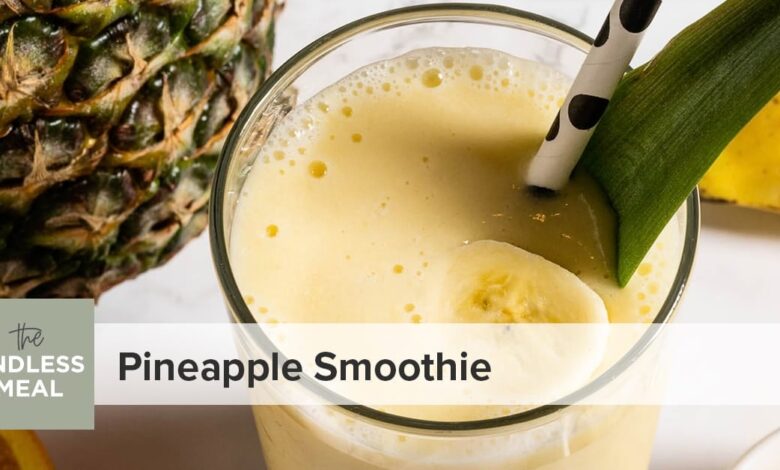
Pineapple Recovery Smoothie: Fuel Your Body After a Workout
Pineapple Recovery Smoothie: Fuel Your Body After a Workout. Who doesn’t love a delicious and refreshing smoothie after a tough workout? But what if your smoothie could do more than just taste good? It can actually help your body recover faster and rebuild stronger.
Enter the pineapple recovery smoothie, a powerhouse of nutrients that can help you bounce back from your exercise routine and feel your best.
Pineapple is a tropical fruit packed with vitamins, minerals, and antioxidants. It’s also a good source of bromelain, an enzyme that aids in digestion and inflammation. When you combine pineapple with other recovery-boosting ingredients like protein powder, banana, and spinach, you create a smoothie that can replenish electrolytes, carbohydrates, and provide essential nutrients for muscle repair.
Let’s dive into the world of pineapple recovery smoothies and discover how they can help you achieve your fitness goals.
Pineapple’s Nutritional Profile
Pineapple is a tropical fruit that’s not only delicious but also packed with nutrients. This vibrant fruit is a good source of vitamins, minerals, and antioxidants that can contribute to overall health and well-being.
Vitamins and Minerals in Pineapple
Pineapple is a good source of several essential vitamins and minerals. Here’s a breakdown of some key nutrients:
- Vitamin C:Pineapple is rich in vitamin C, a powerful antioxidant that supports immune function, collagen production, and wound healing. A single cup of pineapple provides about 79% of the daily recommended intake of vitamin C.
- Manganese:This mineral plays a vital role in bone health, metabolism, and antioxidant defense. Pineapple is a good source of manganese, providing about 73% of the daily recommended intake per cup.
- Thiamin (Vitamin B1):This vitamin is essential for energy production and nerve function. Pineapple provides a decent amount of thiamin, contributing about 10% of the daily recommended intake per cup.
- Copper:This mineral is crucial for red blood cell formation, iron absorption, and enzyme function. Pineapple contains a moderate amount of copper, providing about 9% of the daily recommended intake per cup.
- Dietary Fiber:Pineapple is a good source of dietary fiber, which promotes digestive health, regulates blood sugar levels, and helps with weight management. A cup of pineapple provides about 2.3 grams of fiber.
Antioxidants in Pineapple
Pineapple is rich in antioxidants, which help protect cells from damage caused by free radicals. These antioxidants include:
- Vitamin C:As mentioned earlier, vitamin C is a powerful antioxidant that neutralizes free radicals.
- Bromelain:This enzyme is found in the stem and juice of pineapple. Bromelain exhibits antioxidant properties, helping to reduce oxidative stress in the body.
- Polyphenols:Pineapple contains various polyphenols, including flavonoids and phenolic acids, which have antioxidant and anti-inflammatory effects.
Bromelain: A Unique Enzyme
Bromelain is a proteolytic enzyme found in the stem and juice of pineapple. It has been studied for its potential health benefits, particularly in relation to digestion and inflammation.
After a tough workout, a pineapple recovery smoothie is just what the doctor ordered. It’s packed with vitamins, minerals, and antioxidants, but sometimes you might be tempted to overindulge, thinking it’ll help you recover faster. The truth is, why aiming to maintain weight can actually help fat loss goals is by consistently sticking to a healthy diet and exercise routine.
So, while that pineapple recovery smoothie is delicious, don’t forget to enjoy it in moderation for optimal results.
Role of Bromelain in Digestion
Bromelain aids in digestion by breaking down proteins. It can help alleviate symptoms of indigestion, such as bloating and gas.
Bromelain and Inflammation
Bromelain has anti-inflammatory properties, which may help reduce inflammation in the body. Some studies suggest that bromelain could be beneficial for conditions like arthritis, sinusitis, and wound healing.
Recovery Smoothie Benefits
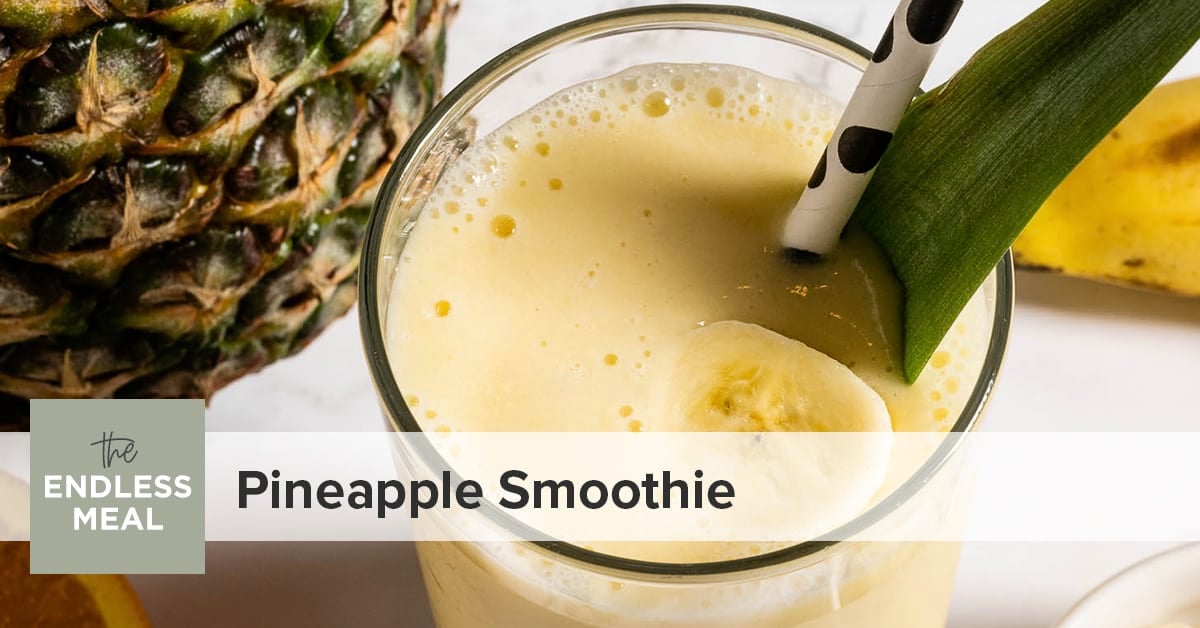
After an intense workout, your body needs time to recover and rebuild. Smoothies can be a fantastic way to provide your body with the nutrients it needs to bounce back stronger. They offer a convenient and delicious way to replenish your energy stores and support muscle recovery.
Electrolyte and Carbohydrate Replenishment
Electrolytes are essential minerals that are lost through sweat during exercise. Replenishing these electrolytes is crucial for maintaining hydration and preventing muscle cramps. Smoothies can be an excellent source of electrolytes, particularly potassium, sodium, and magnesium, which are often depleted during strenuous activities.
Carbohydrates are the primary source of energy for your body. During exercise, your body utilizes glycogen, a stored form of carbohydrates, for fuel. Smoothies can help replenish glycogen stores, providing your body with the energy it needs to recover and rebuild.
Muscle Repair and Inflammation Reduction
Smoothies can be a rich source of protein, which is essential for muscle repair and growth. After exercise, your muscles experience microscopic tears, and protein helps rebuild and strengthen these muscles. Anti-inflammatory properties in certain fruits and vegetables found in smoothies can help reduce inflammation, a common response to strenuous exercise.
This reduction in inflammation can aid in muscle recovery and alleviate post-workout soreness.
Pineapple Recovery Smoothie Recipe Variations
This pineapple recovery smoothie is a versatile recipe that can be customized to your taste and dietary needs. You can add different fruits, vegetables, and supplements to create your perfect recovery smoothie. Here are a few variations that you can try.
That pineapple recovery smoothie really hit the spot after my workout! I’m feeling energized and ready to tackle a healthy dinner. Speaking of healthy, I’m always on the lookout for quick and easy meals that fit my calorie goals, and I recently found a great article on 5 chicken mains under 350 calories that I’m definitely going to try.
I’m thinking maybe a chicken stir-fry with brown rice for tonight. Then, I’ll be ready for another delicious pineapple recovery smoothie tomorrow!
Pineapple Recovery Smoothie Recipe Variations
The basic pineapple recovery smoothie recipe is a simple and delicious starting point. You can add different ingredients to customize it to your taste and dietary needs. Here are some variations that you can try.
| Variation | Ingredients | Benefits | Preparation |
|---|---|---|---|
| Basic Pineapple Recovery Smoothie |
|
|
|
| Tropical Pineapple Recovery Smoothie |
|
|
|
| Green Pineapple Recovery Smoothie |
|
|
|
| Protein-Packed Pineapple Recovery Smoothie |
|
|
|
Incorporating Other Ingredients: Pineapple Recovery Smoothie
The beauty of smoothies lies in their flexibility, allowing you to customize them based on your preferences and dietary needs. Adding other ingredients to your pineapple recovery smoothie can enhance its nutritional value, taste, and texture.
Protein Powder
Adding protein powder to your smoothie can help boost your recovery process by providing essential amino acids for muscle repair and growth. Protein powder can also help you feel fuller for longer, which is especially beneficial after a strenuous workout.
A pineapple recovery smoothie is a great way to replenish your body after a long workout or illness. It’s packed with vitamins, minerals, and antioxidants, and the sweetness of the pineapple can help to boost your energy levels. If you’re looking for a quick and healthy breakfast or snack, I recommend checking out healthy ways to order at einstein bros bagels for some inspiration.
They have a great selection of bagels, sandwiches, and salads that can be customized to fit your dietary needs. And after you’ve fueled up, that pineapple recovery smoothie will be the perfect way to round out your day!
Choose a protein powder that aligns with your dietary preferences, such as whey, casein, soy, or plant-based options.
Other Fruits and Vegetables
You can experiment with different fruits and vegetables to add variety and additional nutrients to your pineapple recovery smoothie.
- Berries like blueberries, strawberries, and raspberries are rich in antioxidants, which can help reduce inflammation and protect your cells from damage.
- Bananas are a good source of potassium, an electrolyte that helps regulate fluid balance and muscle function.
- Spinach and kale are packed with vitamins and minerals, including iron, which is essential for red blood cell production and oxygen transport.
Adjusting the Recipe for Dietary Restrictions
If you have dietary restrictions, you can easily modify the pineapple recovery smoothie recipe to suit your needs.
- For those with dairy allergies, choose a plant-based milk alternative like almond milk, soy milk, or coconut milk.
- For those with gluten sensitivities, opt for gluten-free protein powder and oats.
- For individuals with sugar restrictions, use a natural sweetener like stevia or monk fruit.
Pineapple Recovery Smoothie Tips
A pineapple recovery smoothie is a delicious and nutritious way to replenish your body after a workout or illness. However, there are some tips you can follow to optimize the smoothie for recovery and make it even more enjoyable.
Adjusting Consistency and Sweetness, Pineapple recovery smoothie
The consistency of your pineapple recovery smoothie can be adjusted to your liking. For a thicker smoothie, add more frozen fruit or ice. For a thinner smoothie, add more liquid, such as water, juice, or milk. You can also adjust the sweetness of the smoothie by adding more or less honey, maple syrup, or other sweeteners.
To achieve the desired consistency, start with a base of frozen pineapple and gradually add liquid until you reach your preferred thickness.
Storage and Consumption
Pineapple recovery smoothies are best enjoyed fresh, but they can be stored in the refrigerator for up to 24 hours. If you are storing the smoothie, be sure to blend it well before drinking.
To ensure optimal freshness and flavor, consume the smoothie within 24 hours of preparation.
Conclusion
Whether you’re a seasoned athlete or just starting your fitness journey, a pineapple recovery smoothie can be a delicious and effective way to support your body’s recovery process. The combination of pineapple’s nutritional benefits and the added power of other ingredients creates a smoothie that can help you rebuild muscle, reduce inflammation, and feel energized.
So, next time you hit the gym or go for a run, consider whipping up a pineapple recovery smoothie. Your body will thank you for it!